A Guide to Shandong (山东): Confucius, Mount Tai & Tsingtao
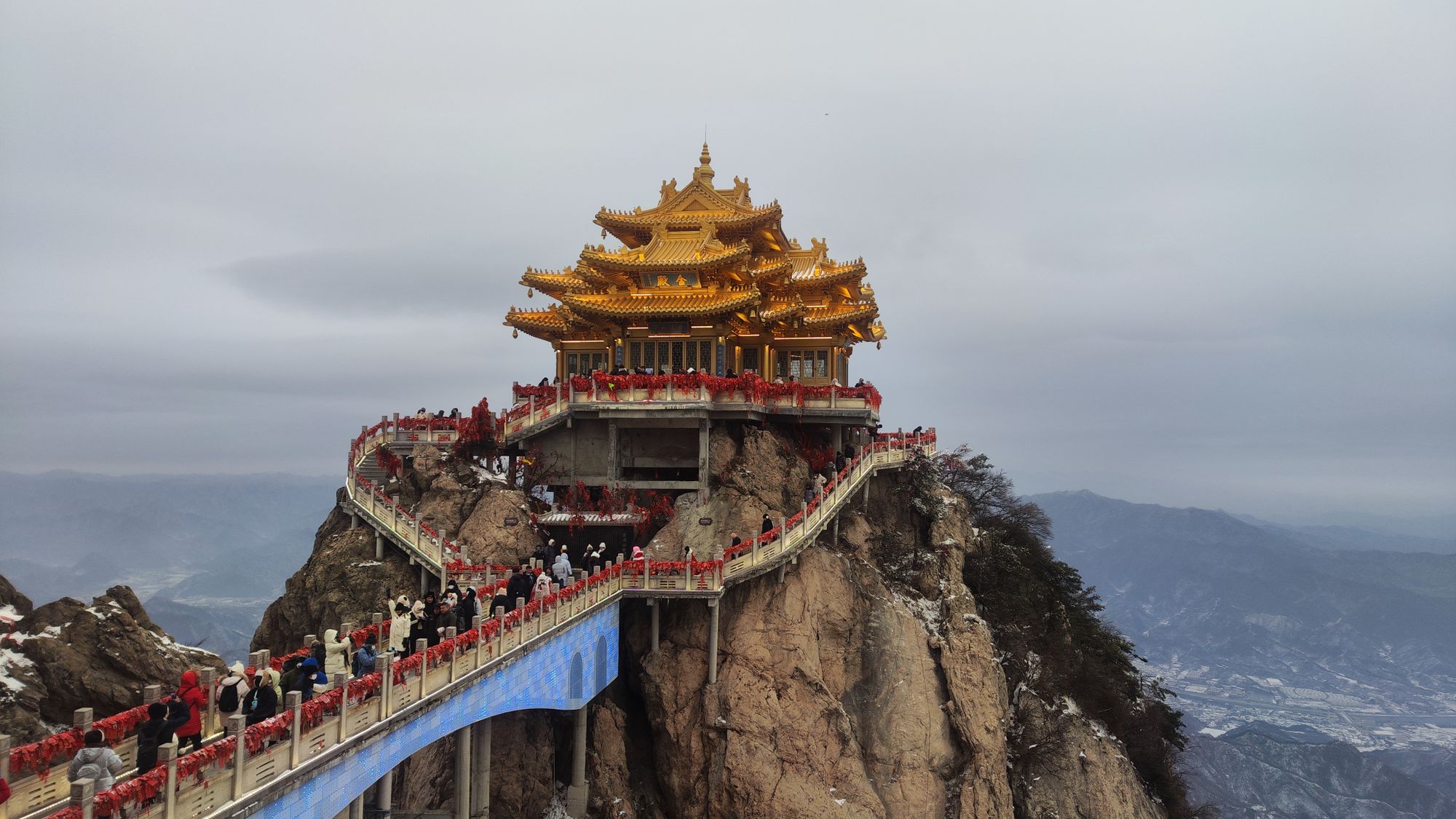
On China’s eastern seaboard, between the Yellow River and the sea, lies Shandong (山东 Shāndōng) — the cultural heartland of the nation. This is the province that gave the world Confucius and Mencius, that holds sacred Mount Tai, and that brews the beer the rest of the world knows as Tsingtao.
For Mandarin learners, Shandong is where the language meets its source. The values and idioms woven through everyday Chinese trace back to the sages of Qufu, and the local speech is a warm, approachable northern Mandarin. This guide covers the history, the dialect, the food, four cities worth your time, and what all of it means for your Mandarin.
A brief history of Shandong
Shandong’s story runs deep into the roots of Chinese civilisation. In the Spring and Autumn period it was home to two great states — Qi and Lu — and the province is still nicknamed “Qilu” after them, with 鲁 (Lǔ) serving as its one-character abbreviation to this day.
It was in the state of Lu, at Qufu, that Confucius was born in 551 BCE — making Shandong the cradle of Confucianism and, a little later, of Mencius , the “Second Sage”, born nearby at Zou. The Yellow River winds across the province’s west and has emptied into the Bohai Sea along Shandong’s coast since 1855.
From the sages of Qufu to the sacred steps of Mount Tai and the beer halls of Qingdao, Shandong holds more of China’s cultural DNA than almost any other province.
The modern coastal chapter opened in 1898, when Germany leased Jiaozhou Bay and built the city of Qingdao; in 1903 the Tsingtao brewery was founded there. Today Shandong is one of China’s leading economic and industrial provinces. For wider context, see our guide to China’s provinces.
The Shandong dialect and Standard Mandarin
Most of Shandong speaks Jilu Mandarin , while the Jiaodong (Qingdao) peninsula speaks Jiaoliao Mandarin — both northern Mandarin varieties, closely related to the Standard Mandarin that learners study. To a Mandarin speaker, Shandong speech sounds like Mandarin with a hearty, characterful accent: a few different tones, some local vocabulary, and a warm, direct delivery.
For visitors and learners the practical picture is simple: Standard Mandarin is taught in every school and understood by everyone. Your textbook Mandarin will carry you across the province with ease, and picking up a little of the local flavour as you go is a bonus that locals warmly appreciate.
For the wider picture, see our guide to languages and dialects in China.
Shandong speech also travelled a long way north. During the chuǎng guāndōng migrations of the nineteenth and twentieth centuries, millions of Shandong families resettled in Manchuria and carried Jilu Mandarin with them — which is why the Northeastern Mandarin spoken in Heilongjiang still sits unusually close to the standard language.
The Shandong dialect — words worth knowing
Shandong speech is northern (Jilu) Mandarin, so the audio plays the Standard Mandarin reading of the characters — a local would give them a heartier, blunter swing. Tap 🔊 for each.
Phrases worth knowing in Shandong
Six phrases that earn their keep at the table, on the coast and on the slopes of Mount Tai. Tap 🔊 for native audio. (For the distinctive local dialect words, see the section above.)
Lu cuisine: the mother of northern cooking
Lu cuisine (鲁菜 Lǔ cài) is one of China’s Four Great Culinary Traditions and the foundation of much northern Chinese cooking. Born in Shandong, it is built on rich stocks, fresh peninsula seafood and a clean balance of flavours — salty, savoury and subtly sweet rather than fiery.
Its hallmark is mastery of stock and technique: clear broths simmered for hours, scallions used as a primary flavour, and seafood treated with restraint. Wash it all down with the province’s most famous export, ice-cold Tsingtao. For a wider lens, see our regional Chinese cuisine guide.
Say the menu
Tap 🔊 to hear each dish in Mandarin:
Notable cities of Shandong
Shandong’s cities run from the sage’s hometown to a German-built seaport and the gateway to a sacred mountain — five that frame the province’s character:
Jinan济南
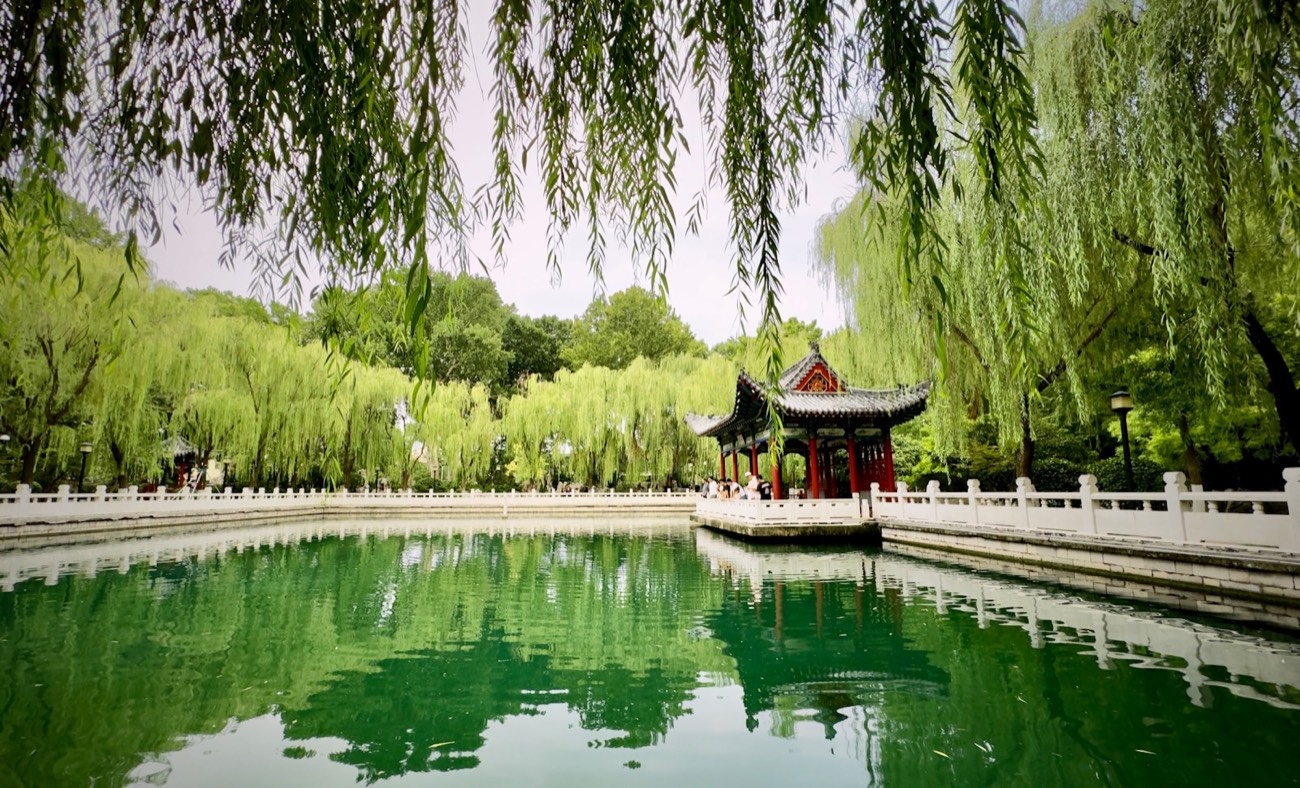
The provincial capital is famous for the artesian springs that bubble up across the old town — more than seventy named springs feed clear pools, willow-lined canals and the celebrated Baotu Spring, once crowned the “Number One Spring Under Heaven” by the Qianlong Emperor.
Around them sit Daming Lake and Thousand Buddha Mountain, making Jinan a green, water-laced capital that feels surprisingly gentle for a city of nine million.
Deep-dive guide coming soon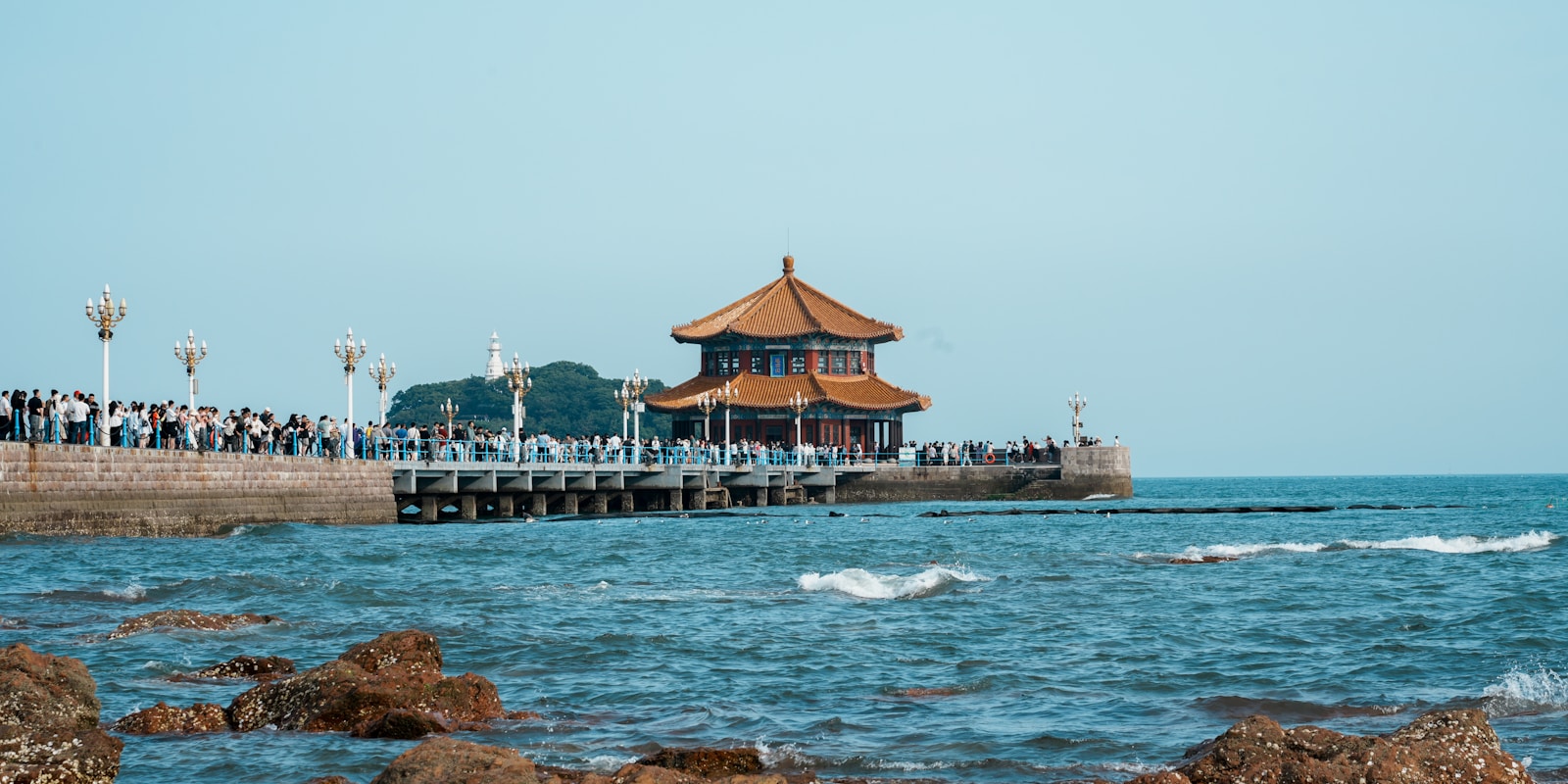
Qingdao青岛
Shandong’s seaside star, with sandy beaches, red-roofed German colonial architecture from its 1898–1914 lease, and the Tsingtao Brewery founded in 1903. Its Zhanqiao Pier and octagonal pavilion — the image on every Tsingtao label — reach out into the bay.
Modern Qingdao is one of China’s most liveable cities: a yacht-racing harbour, a buzzing summer beer festival, and one of the country’s busiest ports.
Deep-dive guide coming soon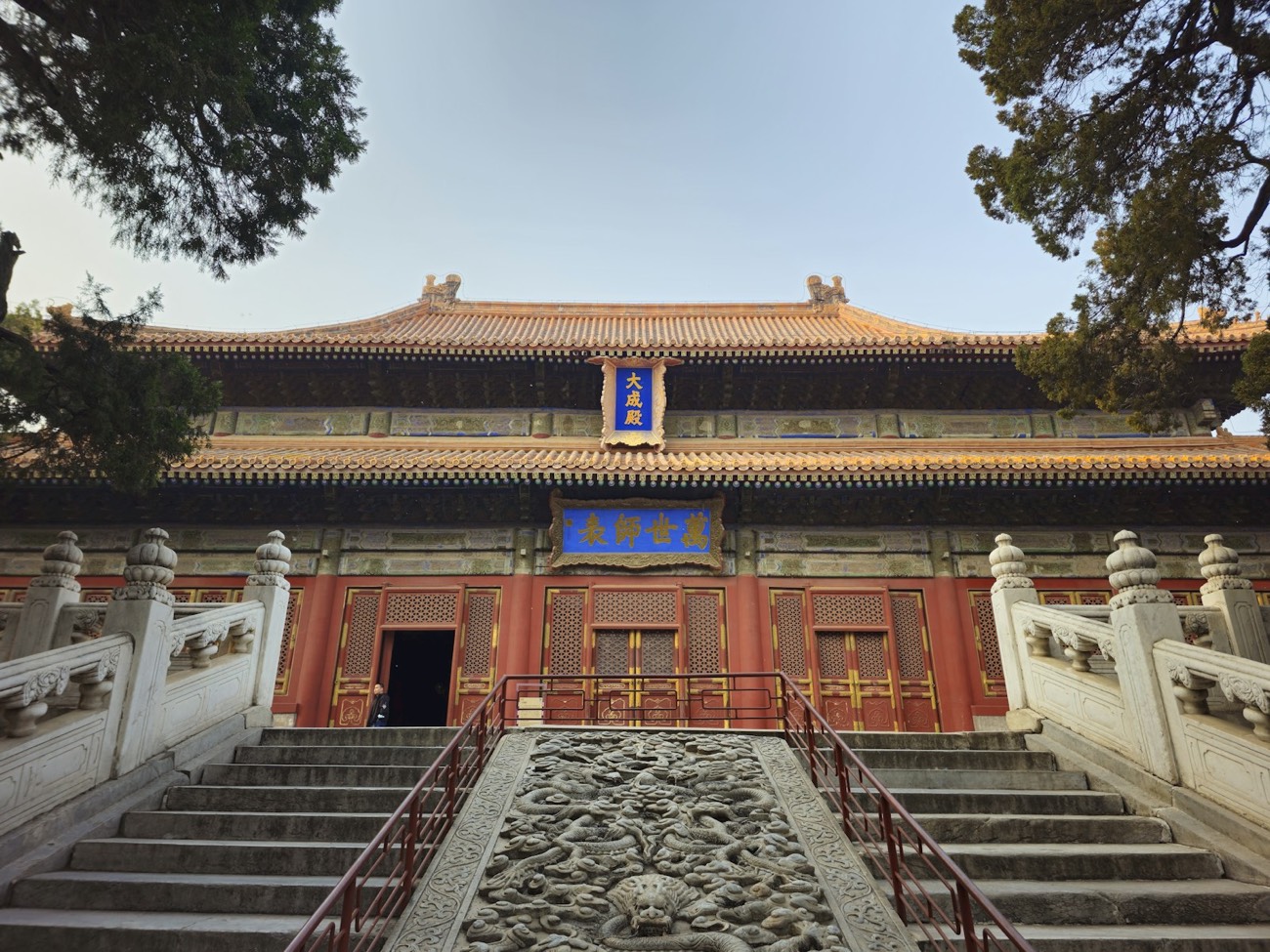
Qufu曲阜
The birthplace of Confucius, where the Temple of Confucius, the Kong Family Mansion and the Cemetery of Confucius form a single UNESCO World Heritage Site — the spiritual centre of Confucian China for over two thousand years.
Confucius’s descendants, the Kong family, lived beside the temple for generations; the cemetery still holds his tomb among more than 100,000 of his line.
Deep-dive guide coming soon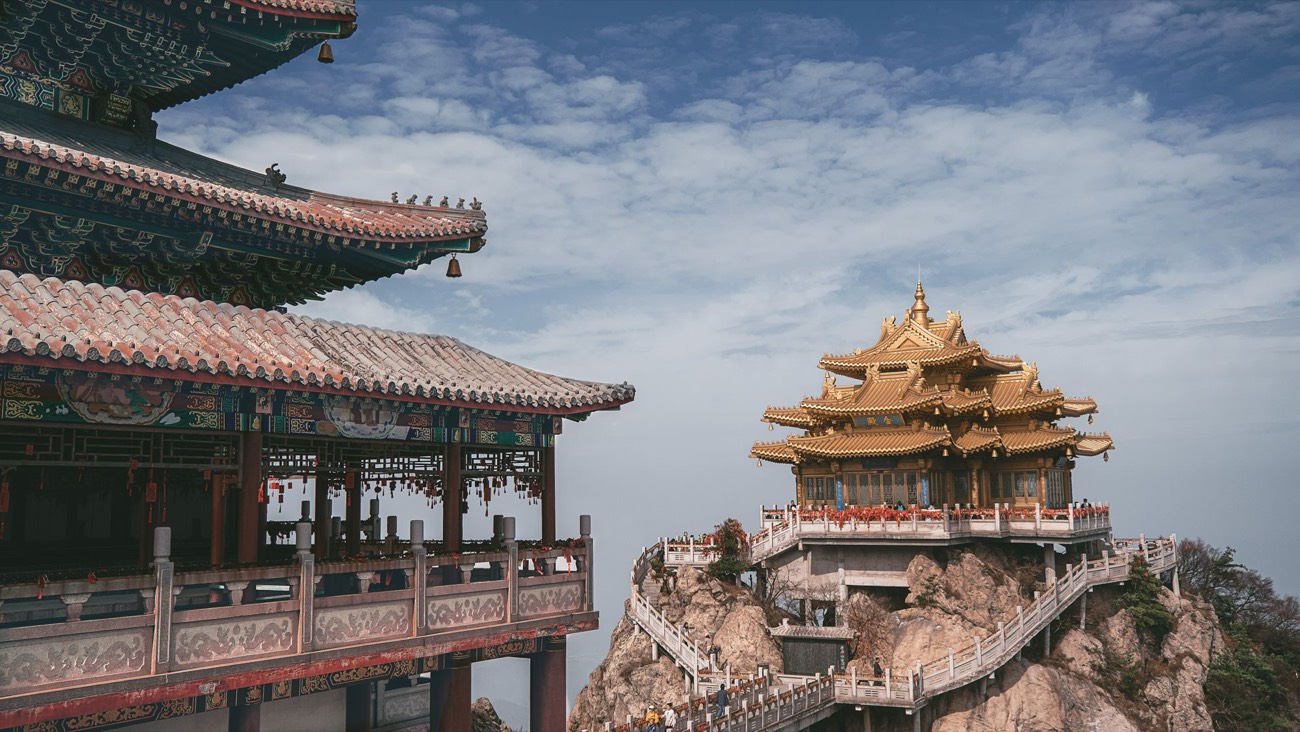
Tai’an泰安
The city at the foot of Mount Tai, foremost of China’s Five Great Mountains. For millennia, emperors and pilgrims have climbed its seven thousand stone steps to greet the sunrise from the summit.
The grand Dai Temple in town — where emperors once prepared their offerings — marks the start of the sacred way up the mountain.
Deep-dive guide coming soon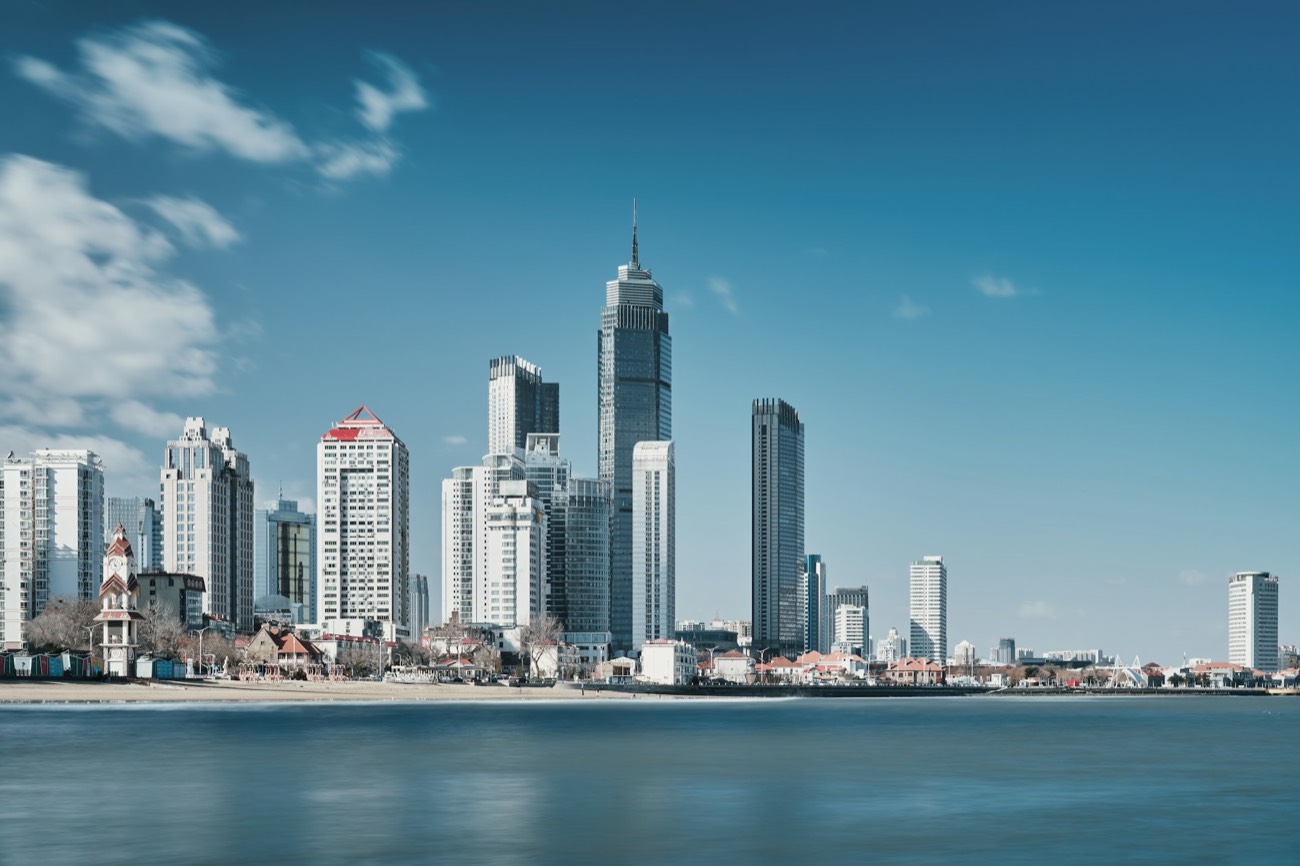
Yantai烟台
A breezy port on the Bohai coast, Yantai pairs a glassy modern seafront with the legendary Penglai Pavilion — the misted headland where, in Chinese myth, the Eight Immortals set off across the sea and mirages still rise on clear spring days.
It is also the heart of China’s wine country, planted with vines since the 1890s, and a favourite summer escape for its beaches, seafood and the cool air rolling in off the gulf.
Deep-dive guide coming soonIconic attractions across Shandong
Six Shandong landmarks worth building a trip around — from a sacred summit to a Confucian holy of holies and a German-built pier:
Mount Tai 泰山
Traditionally the foremost of China’s Five Great Mountains and a UNESCO World Heritage Site since 1987 — a place of sunrise, pilgrimage and renewal whose 7,000-odd stone steps emperors once climbed to offer sacrifices to heaven.
The Three Confucian Sites, Qufu 曲阜三孔
The Temple, Cemetery and Kong Family Mansion of Confucius — a single UNESCO World Heritage Site whose temple dates to 478 BCE and whose cemetery holds Confucius’s tomb among 100,000-plus of his descendants.
Zhanqiao Pier, Qingdao 栈桥
Qingdao’s first wharf, built in 1891, reaching into the bay to the octagonal Huilan Pavilion — the city’s symbol and the image on every Tsingtao beer label.
Baotu Spring, Jinan 趵突泉
The most celebrated of Jinan’s seventy-two named springs, a karst spring that gushes from three vents and was crowned the “Number One Spring Under Heaven” by the Qianlong Emperor.
Penglai Pavilion 蓬莱阁
A Song-dynasty pavilion on a clifftop near Yantai, famed as the legendary launch point of the Eight Immortals’ sea crossing — and for the coastal mirages occasionally seen offshore.
Mount Lao 崂山
China’s highest coastal mountain, rising straight from the sea east of Qingdao — a cradle of Taoism dotted with ancient temples, mineral springs and the tea terraces that supply Laoshan green tea.
Famous figures from Shandong
No province has shaped Chinese thought and letters more — from the sage who defined a civilisation to a modern Nobel laureate:
Confucius (孔子)
China’s most influential thinker and founder of Confucianism, born at Qufu in the state of Lu — present-day Shandong.
Mencius (孟子)
The “Second Sage” of Confucianism, born in the state of Zou at modern Zoucheng, Shandong.
Wang Xizhi (王羲之)
The Jin-dynasty “Sage of Calligraphy”, whose flowing brushwork still sets the standard, born in Langya — present-day Linyi, Shandong.
Pu Songling (蒲松龄)
Author of Strange Tales from a Chinese Studio, the great collection of supernatural stories, born in Zichuan, now part of Zibo, Shandong.
Xin Qiji (辛弃疾)
The prolific Southern Song patriot-poet and military leader, born in Licheng — modern-day Jinan, Shandong.
Mo Yan (莫言)
Winner of the 2012 Nobel Prize in Literature and author of Red Sorghum, born and raised in Gaomi, Shandong.
Shandong’s modern economy & global role
Shandong is China’s third-largest provincial economy by GDP, behind only Guangdong and Shandong — a heavyweight in agriculture, manufacturing and maritime trade.
China’s farm belt
One of the country’s top producers of wheat, maize, cotton, vegetables and fruit — the fertile plains of Shandong help feed the nation.
The Port of Qingdao
Among the world’s busiest container ports, anchoring a coastline of major harbours that makes Shandong a key gateway for Chinese trade.
Global household names
Home to global brands including Haier, Hisense and Tsingtao, with heavy industry across Qingdao, Yantai and Weifang.
An ocean powerhouse
Shandong leads China’s “blue economy” — shipping, marine engineering, fisheries and offshore wind along its long Yellow Sea and Bohai coastline.
Why Shandong matters for Mandarin learners
It is the cultural heartland. Shandong is the home of Confucius and Mencius — the source of the values, idioms and classical texts woven through the Chinese language. Learning Mandarin here connects you directly to where so much of it began.
The Mandarin is approachable. Shandong’s dialects are northern Mandarin varieties close to the standard language, so everyday speech is relatively easy to follow as you train your ear on a real regional accent.
Standard Mandarin works everywhere. From Jinan’s springs to Qingdao’s beaches, Pǔtōnghuà is the shared tongue of transport, hotels, restaurants and business — the Chinese you’ve studied does real, daily work.
Qingdao is a practical base. With its breweries, beaches and lively expat and business scene, the coast offers an appealing, modern setting to put Mandarin to use.
Visiting Shandong — practical notes
Getting there: Shandong is a major high-speed rail hub — Jinan and Qingdao are a few hours from Beijing and Shanghai — and Qingdao’s international airport adds flights across China and beyond.
Getting around: fast trains link Jinan, Qingdao, Qufu and Tai’an, making a Confucius-and-Mount-Tai circuit easy. Qingdao and Jinan both have clean, modern metros.
When to come: spring and autumn are the most comfortable seasons; Qingdao’s beaches shine in summer, while Mount Tai’s sunrise is a year-round pilgrimage (pack warm layers for the summit).
Eat the province: seek out sweet-and-sour carp in Jinan, fresh seafood and Tsingtao in Qingdao, and a hot Shandong pancake rolled with scallions anywhere.
A week in Shandong: Qingdao’s coast and beer streets; the Three Confucian Sites at Qufu; the sacred climb up Mount Tai from Tai’an; and Jinan’s springs to finish.
Test your Shandong knowledge
1. Shandong is the birthplace of:
2. Sacred Mount Tai is the foremost of China’s:
3. Which famous beer comes from Shandong?
4. Shandong’s capital, the “City of Springs”, is:
5. Shandong’s two ancient states were Qi and:
6. Shandong’s one-character abbreviation is:
FAQs
Start your Mandarin journey
Want to learn the Standard Mandarin spoken across Shandong and the rest of China? Online 1-on-1 lessons with a native speaker.