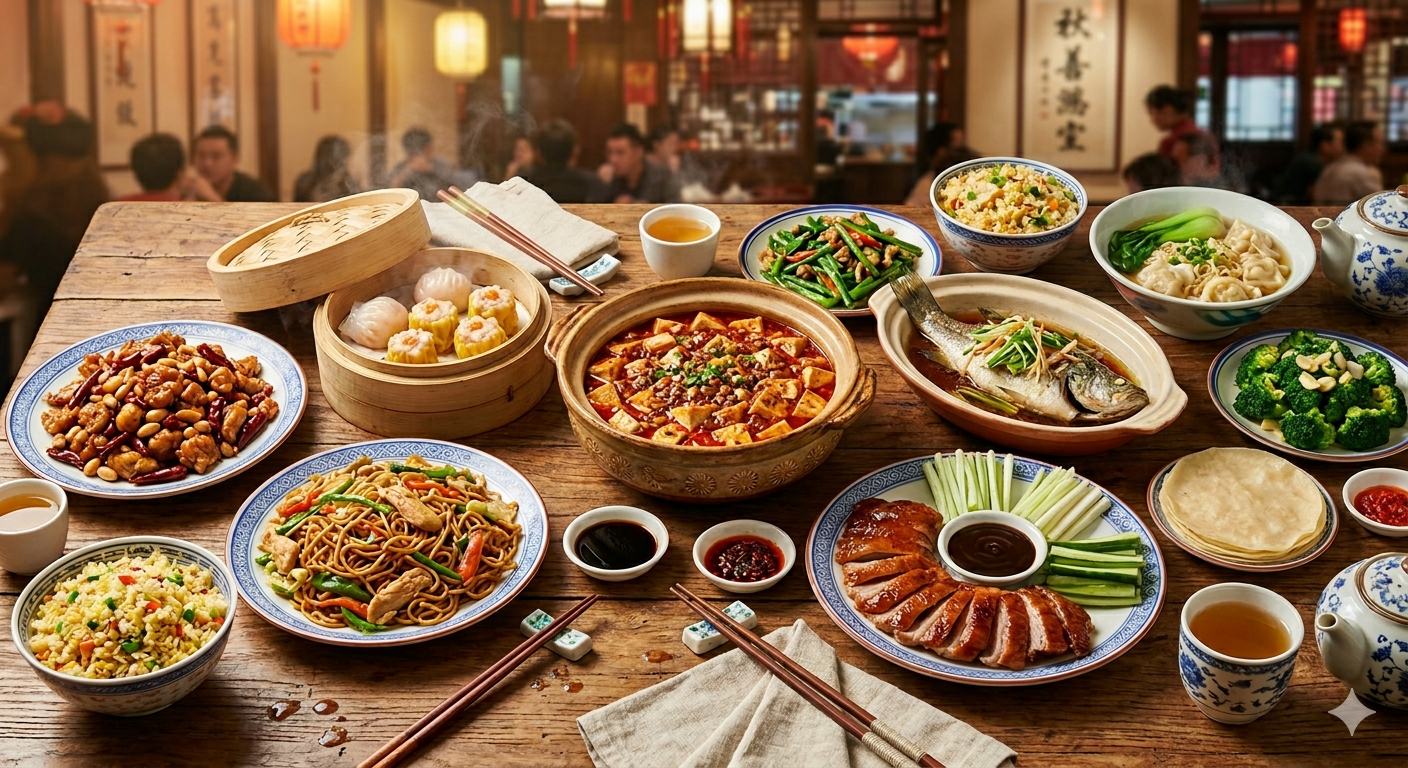
Ask someone from Beijing what they had for dinner last night and ask someone from Guangzhou the same question. Chances are, their meals were as different from each other as Italian food is from Norwegian. China is home to one of the world’s most diverse and sophisticated food cultures — a fact that surprises many people who grew up thinking of “Chinese food” as a single thing. The reality is far richer. Across China’s vast landscape, each region has developed its own distinct culinary identity, shaped by centuries of history, local ingredients, climate and cultural exchange. For more on Beijing’s food scene and cultural context, see our guide to Beijing.
This guide explores the major regional cuisines of China, the signature dishes that define them, and why food culture sits at the very heart of Chinese identity. Whether you are a curious foodie, a traveller planning a trip to China, or someone learning Mandarin, understanding regional Chinese food is one of the most rewarding ways to connect with the culture.
Why Food Is Inseparable From Chinese Identity
In China, food is not merely sustenance — it is history, philosophy, family, and identity all on one plate. The Chinese greeting 你吃了吗 (nǐ chī le ma), which translates literally to “Have you eaten?”, was for centuries the most common way to say hello. It reflects a culture in which the act of sharing food carries profound social meaning. Eating together is how families bond, how business relationships are built, and how community ties are maintained.
Chinese food culture also carries deep philosophical roots. The principles of balance in Traditional Chinese Medicine — warming and cooling foods, the harmony of flavours — have shaped cooking for over two thousand years. A Cantonese chef adjusting a broth, a Sichuan cook layering aromatics, a Shanghainese kitchen braising pork belly for hours — each reflects a culinary worldview that is distinctly Chinese, yet unique to its region.
The Eight Great Cuisines of China (八大菜系)
Chinese culinary tradition recognises eight major regional cuisines — known as the 八大菜系 (bā dà càixì), or Eight Great Cuisine Systems. These are not rigid categories but rather broad regional traditions, each with hundreds of sub-styles and local specialties. The eight are:
| Cuisine | Chinese | Region | Key Flavour Profile |
|---|---|---|---|
| Sichuan | 川菜 | Sichuan Province | Numbing, spicy, bold |
| Cantonese | 粤菜 | Guangdong, Hong Kong | Fresh, light, delicate |
| Shanghainese | 本帮菜 | Shanghai, Jiangnan | Sweet, rich, braised |
| Hunan | 湘菜 | Hunan Province | Dry heat, sour, spicy |
| Beijing / Northern | 京菜 | Beijing, North China | Hearty, savoury, wheat-based |
| Fujian | 闽菜 | Fujian Province | Umami-rich, seafood, light broths |
| Jiangsu | 苏菜 | Jiangsu Province | Refined, sweet-savoury, seasonal |
| Anhui | 徽菜 | Anhui Province | Wild ingredients, preserved, earthy |
Sichuan Cuisine — 川菜 (Sìchuān Cài)
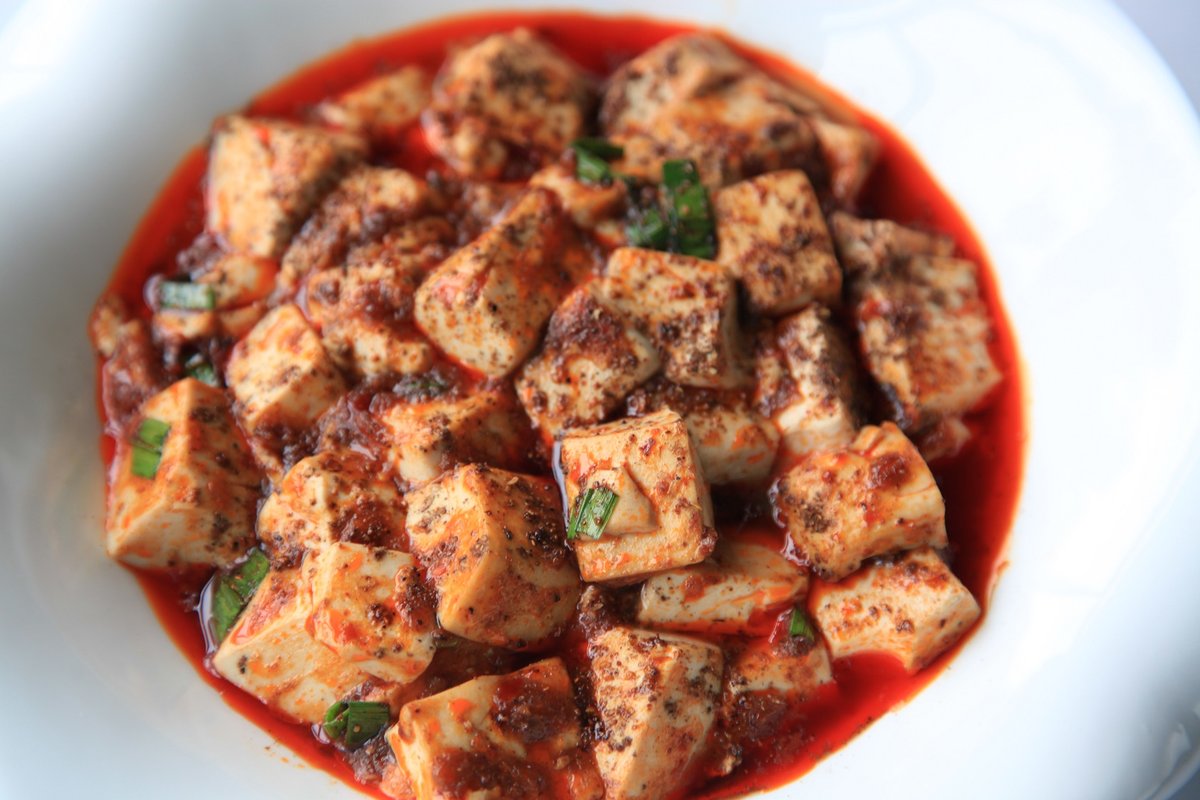
Of all China’s regional cuisines, Sichuan is perhaps the most internationally recognised — and for good reason. Sichuan food is bold, assertive and layered with complexity. Its defining characteristic is málà (麻辣) — a combination of numbing and spicy sensations created by Sichuan peppercorns and dried chillies working together. The peppercorn (花椒, huājiāo) creates a tingly, electric sensation on the tongue that is entirely unlike the heat of ordinary chilli. Once you have experienced it, it is unmistakeable. For the wider Sichuan story behind mala, see our complete guide to Sichuan.
Sichuan cuisine uses a vast pantry of aromatics and fermented condiments — doubanjiang (豆瓣酱, fermented chilli bean paste), Shaoxing wine, black vinegar, sesame paste and preserved vegetables — to create dishes that are simultaneously spicy, sour, salty and fragrant. The cuisine is also highly varied: not everything is fiery. Many Sichuan dishes are subtly perfumed and gentle.
Signature Dishes
- 麻婆豆腐 Mapo Tofu
- 宫保鸡丁 Kung Pao Chicken
- 担担面 Dan Dan Noodles
- 火锅 Hot Pot
- 夫妻肺片 Sliced Beef in Chilli Sauce
Mapo tofu (麻婆豆腐) — silken tofu in a fiery sauce of minced pork, doubanjiang and Sichuan peppercorns — is arguably the most famous Sichuan dish globally. Hot pot (火锅) is a cornerstone of social dining in Sichuan: diners sit around a bubbling pot of seasoned broth and cook their own ingredients at the table, a tradition that has spread across the entire country. In Chengdu, the provincial capital, entire streets are dedicated to hot pot restaurants that stay open until dawn.
Cantonese Cuisine — 粤菜 (Yuè Cài)
Cantonese cuisine — from China’s Guangdong province and Hong Kong — is one of the most technically refined in the world. Where Sichuan cuisine is bold and assertive, Cantonese food is restrained and precise. The guiding principle is to let the natural quality of ingredients speak for themselves: freshness is paramount, sauces are light, and cooking times are carefully controlled. A Cantonese chef will steam a fish for exactly the right number of minutes and dress it with nothing more than a splash of soy sauce and a pour of hot oil — because anything more would mask the fish’s natural flavour. For the wider region behind this cuisine, see our complete guide to Guangdong.
Cantonese cuisine became the first major Chinese food tradition to reach Western audiences, largely due to Cantonese immigration to the United States, Australia and the United Kingdom in the nineteenth and twentieth centuries. This is why, for a long time, “Chinese food” in the Western world meant Cantonese food. Today, a growing number of people recognise it as just one — albeit extraordinary — chapter of a much larger story.
Signature Dishes
- 虾饺 Har Gow (Prawn Dumplings)
- 叉烧 Char Siu (BBQ Pork)
- 云吞面 Wonton Noodle Soup
- 烧鹅 Roast Goose
- 蒸鱼 Steamed Fish
At the heart of Cantonese food culture is yum cha (饮茶, yǐn chá) — the tradition of drinking tea and eating dim sum with family or friends, typically on weekend mornings. Dim sum (点心, diǎnxīn) refers to the small dishes served during yum cha: delicate steamed dumplings, crispy spring rolls, silky cheung fun rice noodle rolls, sticky rice in lotus leaf, and egg tarts fresh from the oven. Ordering dim sum from a menu at a traditional restaurant — where dishes are often listed only in Chinese — is one of those moments where knowing even a little Mandarin (or Cantonese) transforms the entire experience.
Shanghainese Cuisine — 本帮菜 (Běnbāng Cài)
Shanghainese cuisine — known as 本帮菜 (běnbāng cài, literally “local cuisine”) — reflects the character of Shanghai itself: cosmopolitan, rich and quietly sophisticated. The flavour profile leans sweet and savoury, with liberal use of soy sauce, Shaoxing rice wine, sugar and rock sugar in braised dishes that are slow-cooked until the meat falls from the bone and glistens with sauce.
Shanghainese cuisine also sits within the broader Jiangnan (江南) culinary tradition — the food culture of the Yangtze River delta region, known for its abundance of freshwater fish, crabs, seasonal vegetables and refined cooking techniques. Shanghai sits at the centre of this region, absorbing influences from surrounding provinces while developing a flavour identity all its own. For the city behind the cuisine, see our complete guide to Shanghai.
Signature Dishes
- 小笼包 Xiaolongbao (Soup Dumplings)
- 红烧肉 Red-Braised Pork Belly
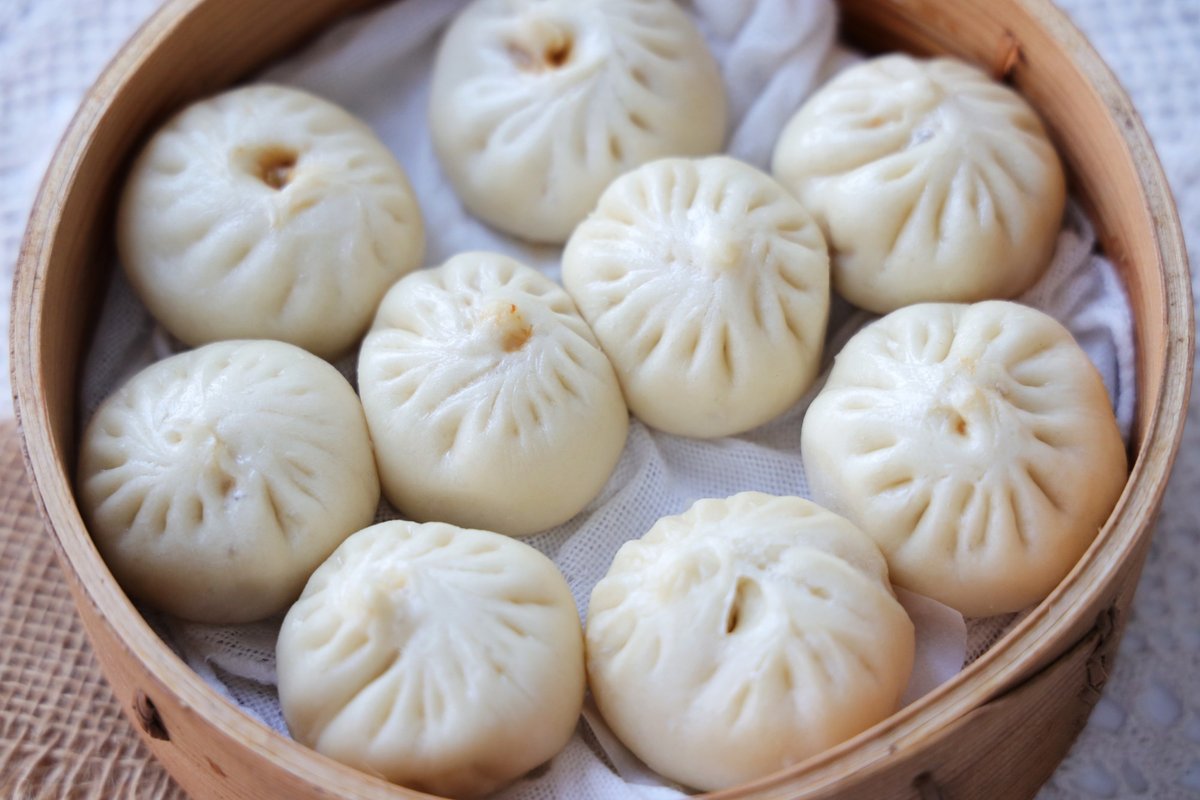
- 生煎包 Pan-Fried Pork Buns
- 大闸蟹 Hairy Crab
- 熏鱼 Shanghai Smoked Fish
No dish captures the spirit of Shanghainese cuisine better than xiaolongbao (小笼包) — the famed soup dumpling. These delicate parcels of thin dough are filled with minced pork and a spoonful of solidified broth that melts when steamed, creating a pocket of hot, intensely flavoured soup inside each dumpling. Eating them correctly — gently biting a small hole, sipping the broth first, then eating the rest — is practically a rite of passage for anyone visiting Shanghai. The dish has since spread worldwide and spawned countless imitations, though locals will tell you nothing compares to the originals at Din Tai Fung or a neighbourhood hole-in-the-wall in the old French Concession.
Hunan Cuisine — 湘菜 (Xiāng Cài)
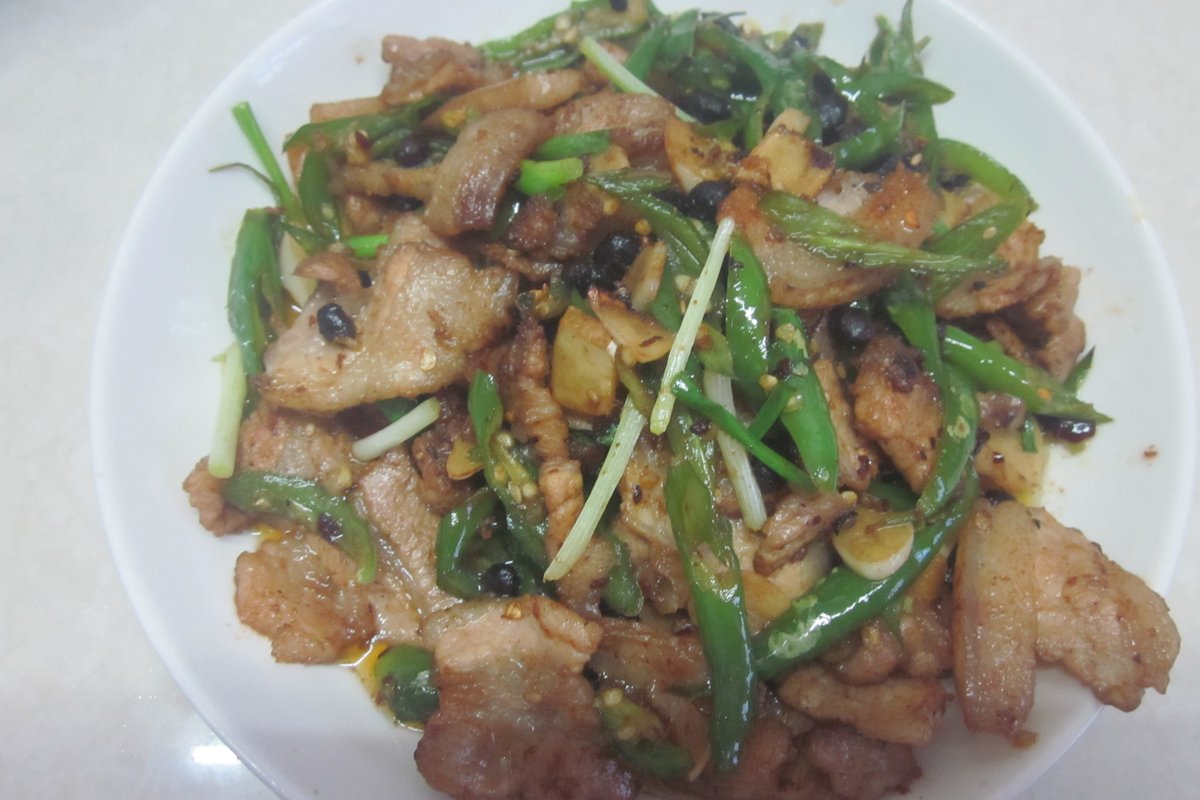
Hunan cuisine is often confused with Sichuan food because both are intensely spicy — but the two traditions are fundamentally different in character. Where Sichuan creates its heat alongside a numbing sensation from peppercorns, Hunan food delivers a clean, dry, penetrating heat from fresh and pickled chillies, without any numbing effect. Hunan cooking also incorporates more sour and preserved flavours, and is known for its use of smoke-curing and pickling as preservation techniques.
Signature Dishes
- 剁椒鱼头 Steamed Fish Head with Chilli
- 毛氏红烧肉 Chairman Mao’s Pork Belly
- 口味虾 Spicy Crayfish
- 酸辣汤 Hot and Sour Soup
Mao Zedong — China’s founding leader and a native of Hunan province — reportedly kept a deep love of Hunan food throughout his life, and the cuisine carries a kind of patriotic folklore in China. His favourite dish, red-braised pork belly (毛氏红烧肉, Máo shì hóngshāo ròu), remains a staple of Hunan restaurants and is often described as a dish that “gives you the energy to make revolution.” Whatever your politics, it is undeniably delicious.
Beijing and Northern Cuisine — 京菜 (Jīng Cài)
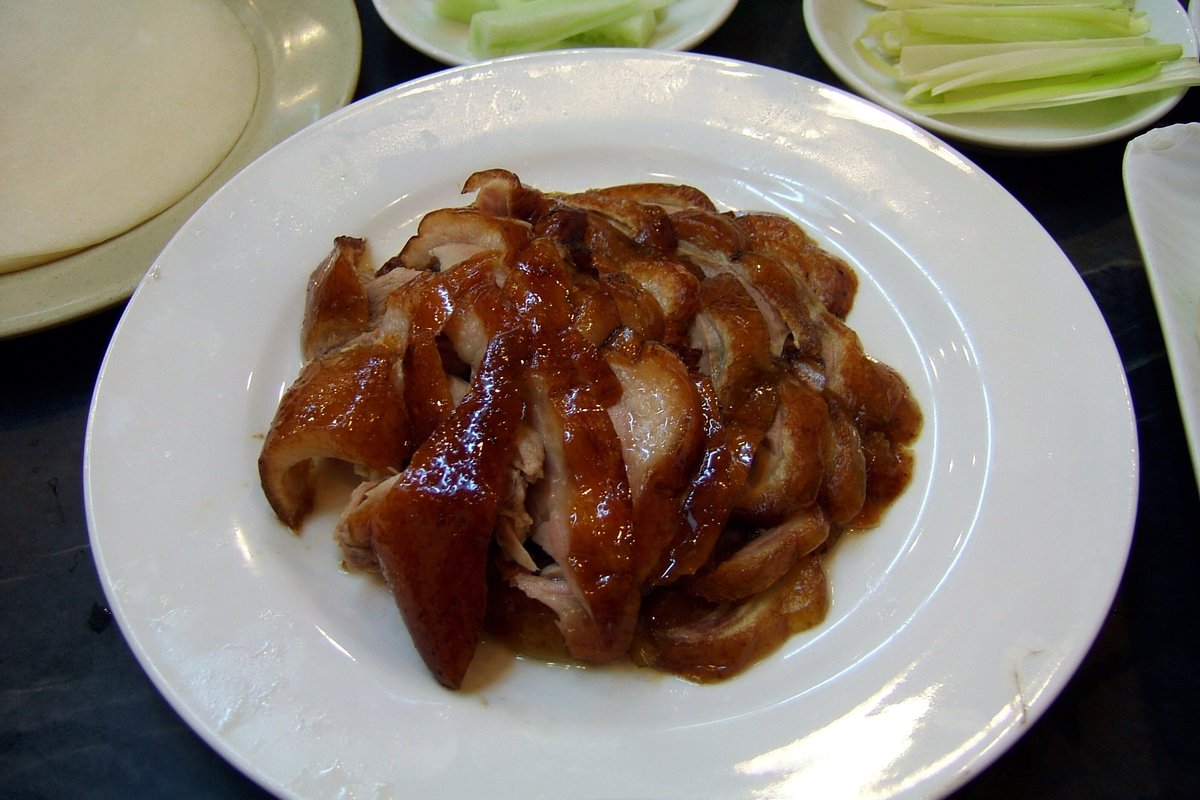
Northern Chinese cuisine reflects the geography and history of China’s heartland. The colder climate of the north has historically favoured wheat over rice, meaning the cuisine is built around noodles, dumplings, steamed buns and flatbreads rather than the rice dishes that dominate the south. Flavours tend to be more robust and savoury: garlic, spring onion, vinegar and fermented pastes are pantry staples, and meat — particularly lamb, pork and duck — features heavily.
Signature Dishes
- 北京烤鸭 Peking Roast Duck
- 炸酱面 Zhajiangmian (Noodles with Bean Paste)
- 饺子 Dumplings (Jiaozi)
- 涮羊肉 Mongolian Hot Pot
- 烤串 Lamb Skewers
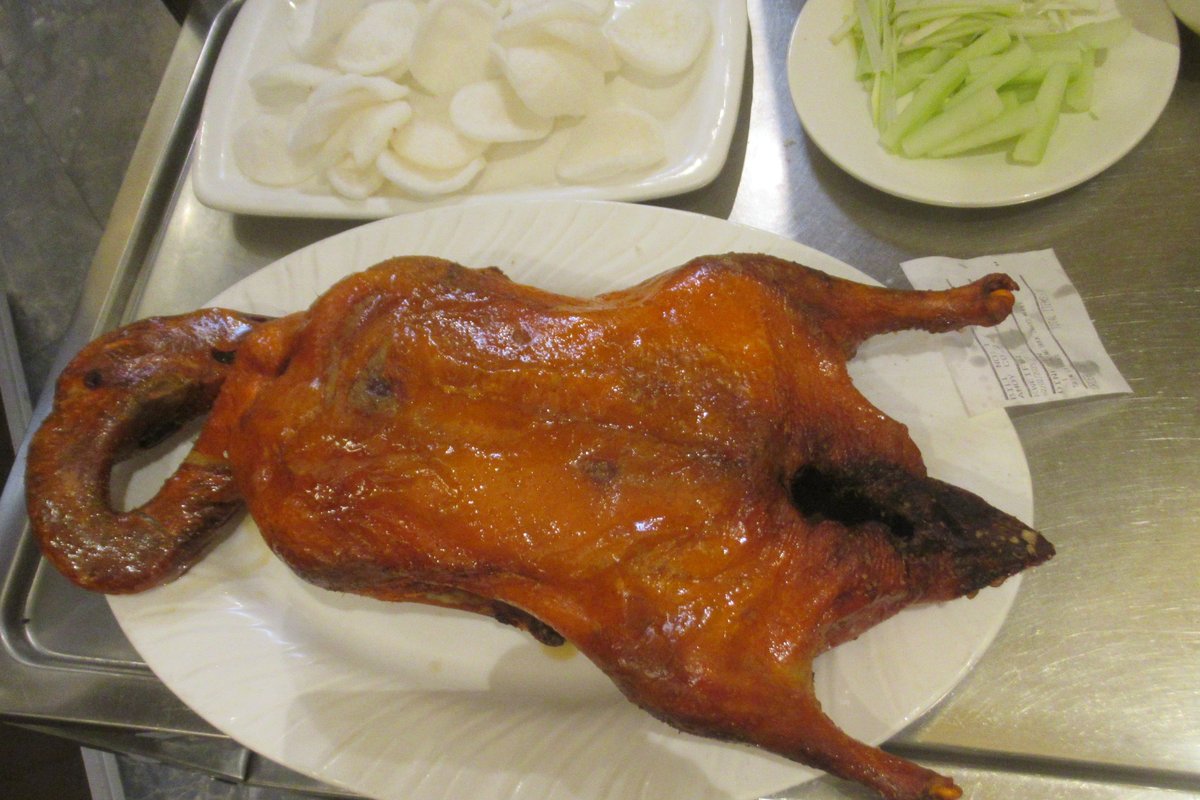
Beijing’s most iconic contribution to the world’s food culture is Peking duck (北京烤鸭, Běijīng kǎoyā) — whole ducks seasoned and hung to dry before being slow-roasted in a wood-fired oven until the skin is paper-thin and shatters like lacquer. It is served sliced at the table, wrapped in delicate mandarin pancakes with spring onion, cucumber and hoisin sauce. A proper Peking duck meal is an occasion, not just a dinner. The dish has been a centrepiece of Chinese imperial cuisine since the Ming dynasty.
Fujian Cuisine — 闽菜 (Mǐn Cài)
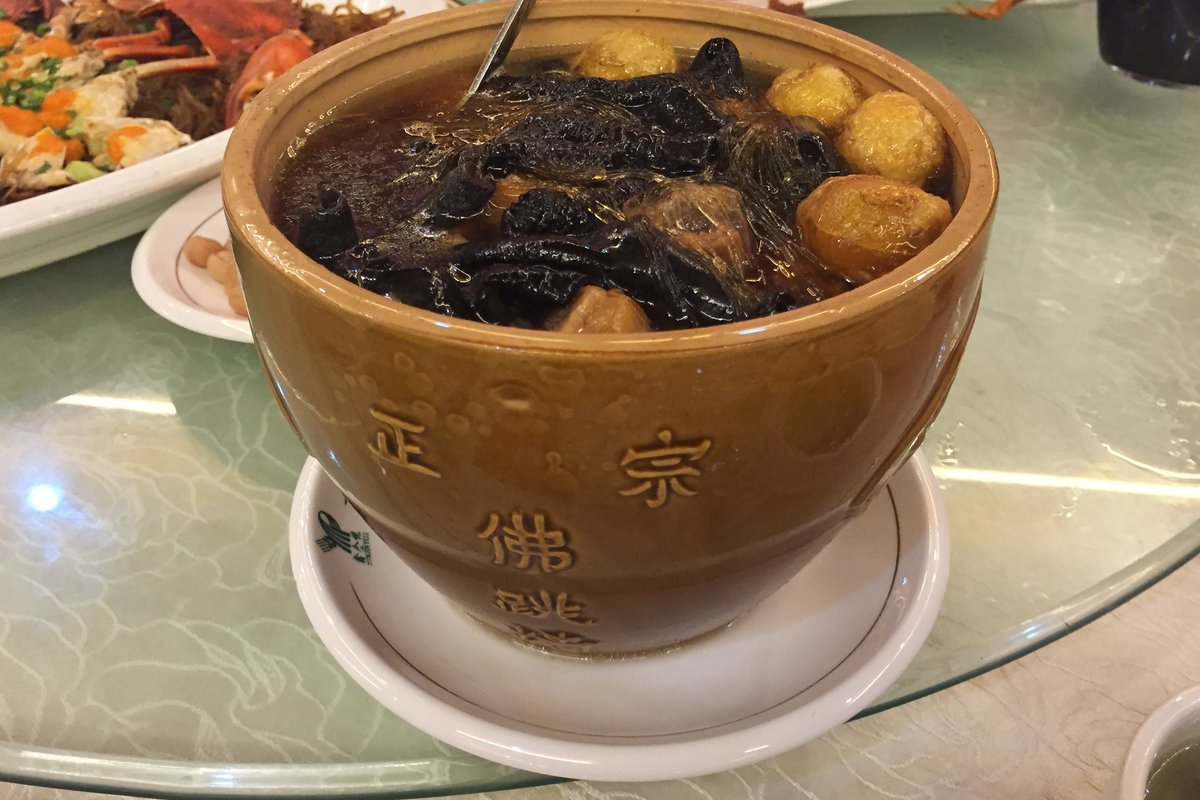
Fujian province sits on China’s south-eastern coast, and its cuisine reflects that geography: fresh seafood, river fish and shellfish dominate the menu, complemented by light, clear broths and soups that coax out natural flavour without overwhelming it. Fujian cooking is known for its use of umami-rich ingredients — dried mushrooms, fermented bean curd, red yeast rice — and its skilled use of soup as a vehicle for complex flavour.
Signature Dishes
- 佛跳墙 Buddha Jumps Over the Wall
- 蚵仔煎 Oyster Omelette
- 沙茶面 Satay Noodle Soup
- 荔枝肉 Sweet and Sour Pork
The most celebrated dish in Fujian cuisine is 佛跳墙 (fó tiào qiáng) — “Buddha Jumps Over the Wall.” This elaborate soup takes its name from a legend: its aroma was so irresistible that even a Buddhist monk would leap over a monastery wall to eat it. The dish contains dozens of premium ingredients — abalone, sea cucumber, shark fin, fish maw, scallops and more — slow-simmered for hours in a rich broth. It is one of the most expensive and labour-intensive dishes in Chinese cuisine, reserved for special occasions and high-end banquets.
Jiangsu Cuisine — 苏菜 (Sū Cài)
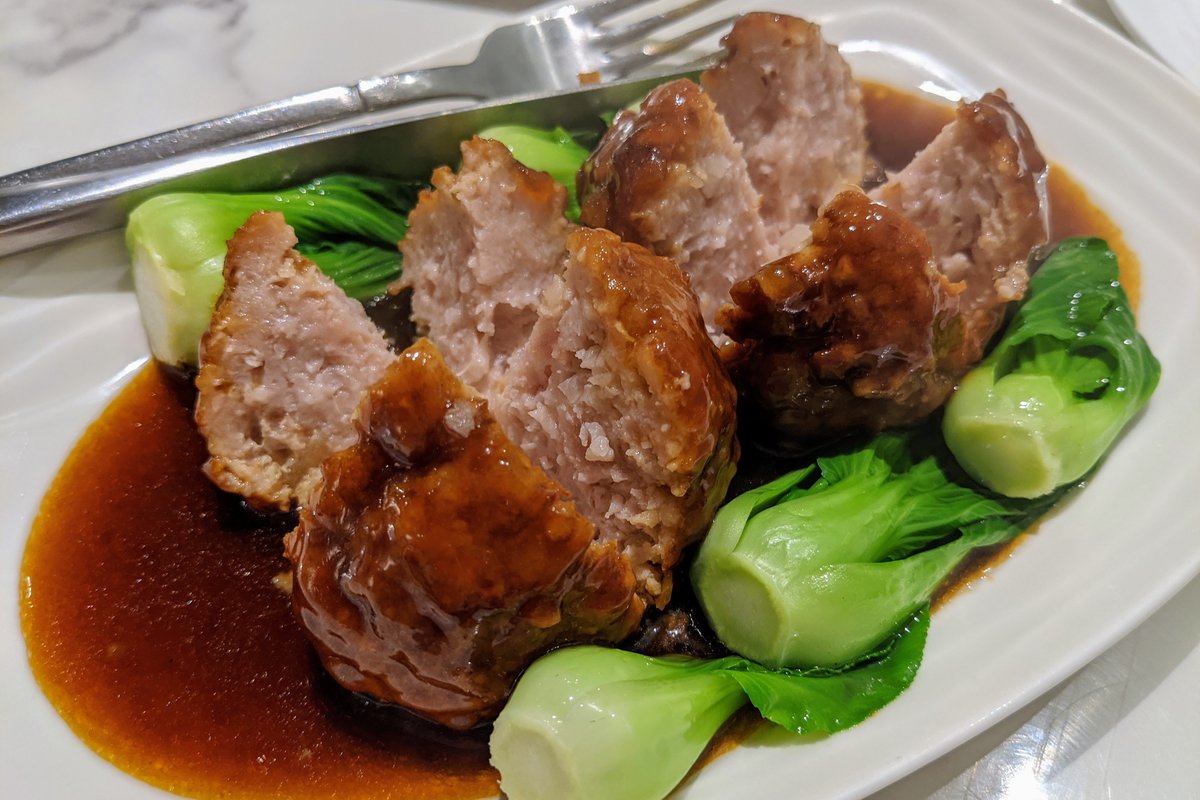
Jiangsu cuisine is the food of the Yangtze River delta — the cultural and economic heartland of imperial China. It is perhaps the most refined of all the eight great cuisines, emphasising seasonal produce, knife skills, presentation and a delicate balance between sweet and savoury. Jiangsu cooking avoids extremes: it is rarely very spicy, very sour or very pungent. Instead, it aims for a harmonious balance of flavours that evolves with the seasons.
Signature Dishes
- 狮子头 Braised Lion’s Head Meatballs
- 盐水鸭 Nanjing Salted Duck
- 松鼠鱼 Squirrel-Shaped Mandarin Fish
- 阳澄湖大闸蟹 Hairy Crab
Anhui Cuisine — 徽菜 (Huī Cài)
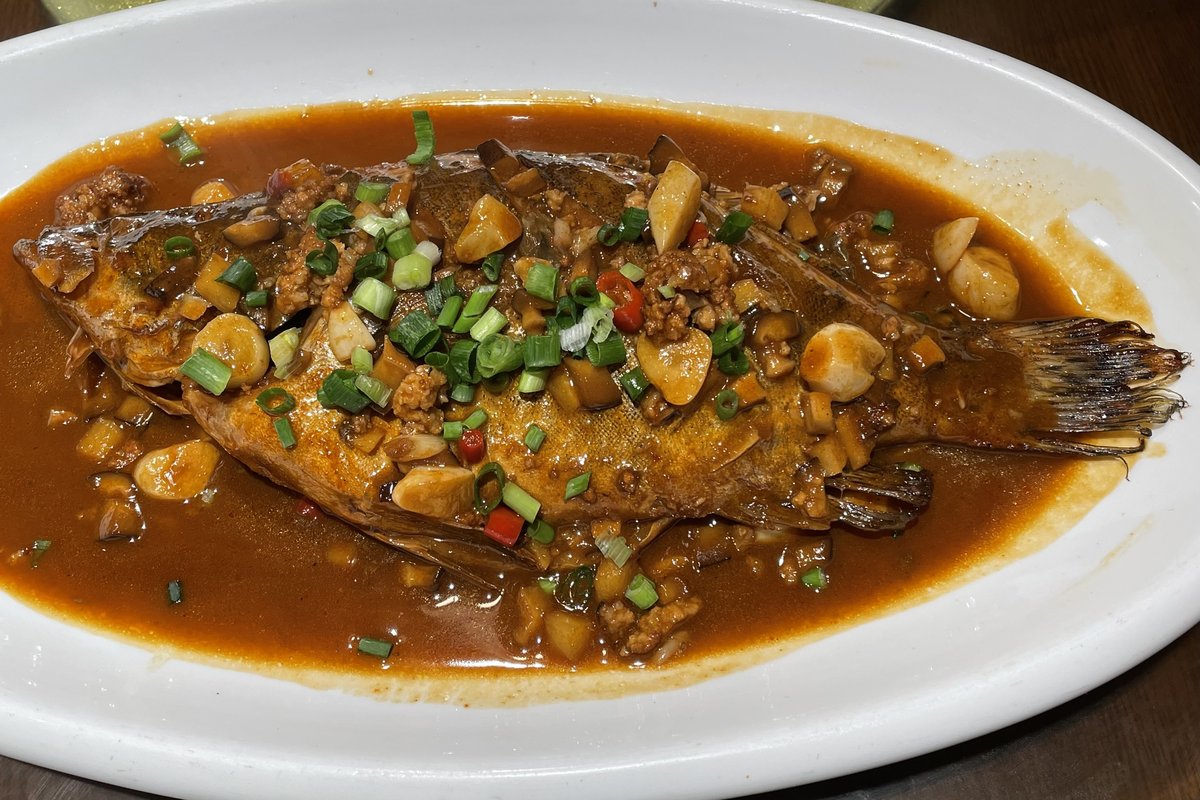
Anhui cuisine is the least well-known of the eight great cuisines internationally, but it is deeply influential within China. The cuisine developed in the mountainous inland province of Anhui, where merchants and traders historically needed food that could travel and keep — leading to a distinctive use of preserved, salted and dried ingredients. Wild herbs, bamboo shoots, mountain mushrooms and fresh-caught river fish are central to the cuisine.
Signature Dishes
- 臭鳜鱼 Fermented Mandarin Fish
- 毛豆腐 Hairy Tofu
- 红烧果子狸 Braised Civet
- 刀板香 Sliced Cured Pork
Anhui cuisine is characterised by its use of fermented and slightly aged ingredients that carry a pungent depth of flavour. The most famous — and divisive — example is 臭鳜鱼 (chòu guìyú), fermented mandarin fish, which has a powerfully funky aroma but a surprisingly clean, rich flavour once cooked. Much like blue cheese in the West, it is a delicacy that rewards the adventurous and baffles the uninitiated. Anhui cuisine’s use of wild and mountain ingredients also reflects a deep connection to the natural environment that sets it apart from more urban culinary traditions.
How Learning Chinese Unlocks a World of Food
There is a particular kind of frustration that comes with travelling in China and not being able to read a menu. Many of the best restaurants — the ones with the most loyal local customers and the most authentic food — operate with menus that are Chinese only, no pictures, no English. Knowing even basic Mandarin transforms this experience entirely. You can ask the waiter what the kitchen is proud of today (今天有什么好吃的? Jīntiān yǒu shénme hǎochī de?), understand the names of dishes, and have the kind of conversation that leads to recommendations you would never find in a guidebook.
Beyond travel, knowing Chinese enriches how you engage with Chinese food at home. Chinese dish names are often poetic — “ants climbing a tree” (蚂蚁上树, mǎyǐ shàng shù) is a Sichuan glass noodle dish, “husband and wife beef slices” (夫妻肺片, fūqī fèipiàn) is a Chengdu cold meat salad, “Buddha jumps over the wall” tells you everything and nothing about the soup it names. Each dish name carries a story, a history, or a joke — and those stories only become accessible when you engage with the language.
At WillyChina, food culture comes up naturally in lessons — whether that is learning the vocabulary of a specific regional cuisine, practising how to order food in different Chinese cities, or understanding the cultural context that makes a meal in China feel so different from eating Chinese food abroad. Language and food are two of the most direct paths into any culture. In China, they are inseparable. If you are curious about starting your Mandarin journey, explore the course options available — from complete beginners through to intermediate learners and beyond.
FAQs
What are the main regional cuisines of China?
+
What is the difference between Sichuan and Hunan cuisine?
+
Is Cantonese food the same as Chinese food?
+
Why does food vary so much across different regions of China?
+
Does learning Mandarin help you understand Chinese food culture?
+
Chinese Cookbooks Worth Adding to Your Kitchen
The best way to deepen your appreciation of regional Chinese food is to cook it. These cookbooks are genuinely excellent:
For a closer look at Yunnan’s wild-mushroom hot pot and crossing-the-bridge noodles, see our guide to Yunnan.
- Every Grain of Rice by Fuchsia Dunlop — simple, authentic Chinese home cooking
- Land of Fish and Rice by Fuchsia Dunlop — the cuisines of the Yangtze Delta
- The Wok by J. Kenji López-Alt — the definitive guide to wok cooking technique
- Shark’s Fin and Sichuan Pepper by Fuchsia Dunlop — a culinary memoir of China
This post contains affiliate links. If you purchase through them, I may earn a small commission — at no extra cost to you.
Ready to Explore Chinese Culture Through Language?
Food, culture and language are inseparable in China. Start your Mandarin journey with Will — a native speaker who brings Chinese culture to life in every lesson.
Book a Free Introductory CallFor the Northwest classic — Lanzhou hand-pulled beef noodles, hand-grabbed mutton and Dunhuang donkey-meat yellow noodles — see our complete guide to Gansu.