The living heart of Chinese culture
From the fireworks of Spring Festival to the quiet of the Winter Solstice — the festivals, foods and customs behind the language you’re learning, told warmly and accurately.
Mid-Autumn Festival · 15th day of the 8th lunar month
Understanding the Chinese festival year
The Chinese festival calendar is lunisolar: most festivals fall on a fixed day of the lunar month, so their Western dates shift each year. Spring Festival can land anywhere from late January to mid-February; the Mid-Autumn Festival always falls on the 15th of the eighth lunar month, when the moon is at its fullest and roundest. A handful of festivals key off the solar terms instead — Qingming and the Winter Solstice track the sun, so they stay near the same Western date year to year.
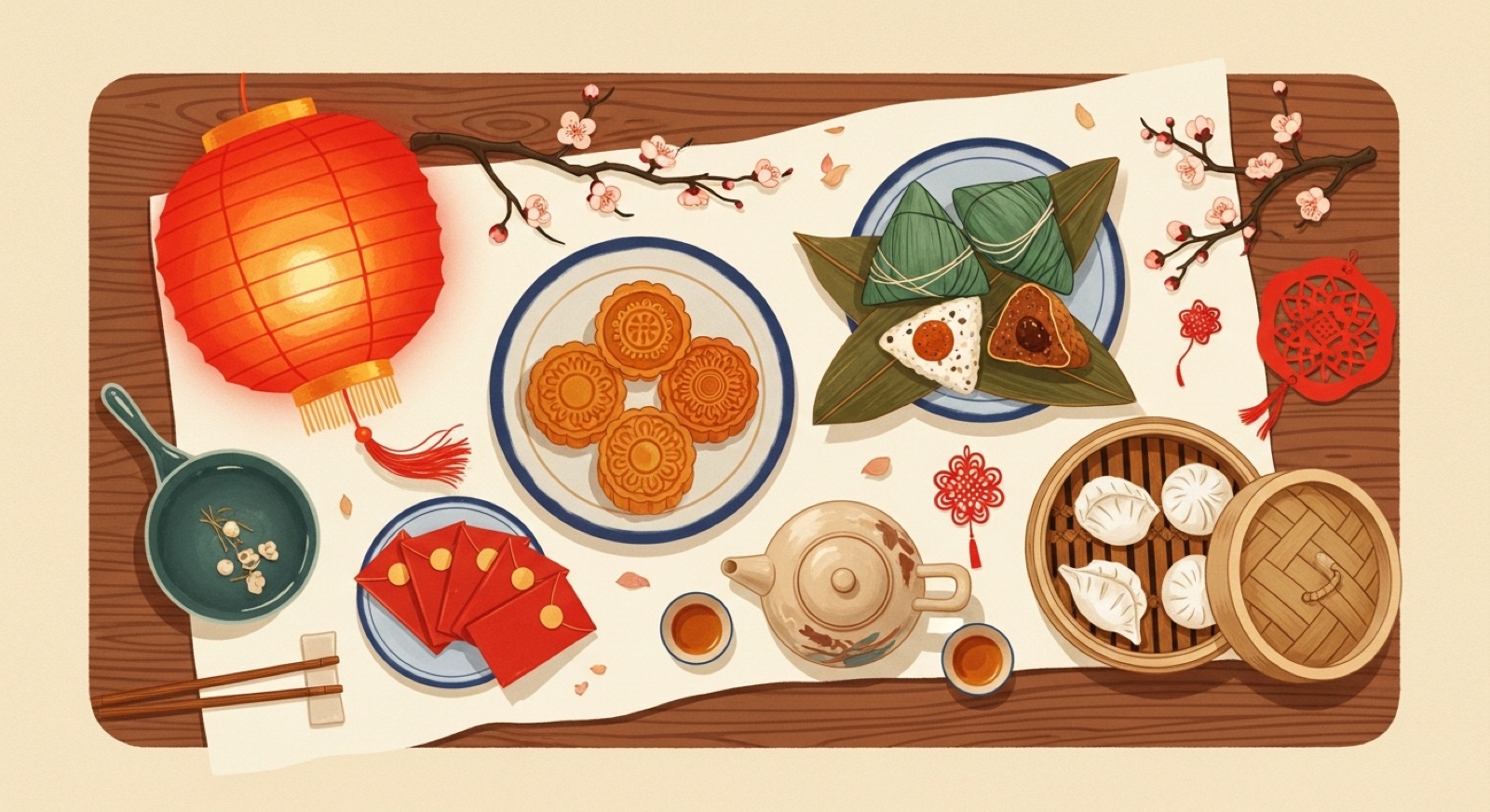
Together the festivals trace the shape of the old agricultural year: renewal in spring at the New Year and Lantern Festival, remembrance at Qingming, the height of summer at Dragon Boat, romance and harvest in autumn at Qixi and Mid-Autumn, and the gathering of warmth as the year closes at the Winter Solstice. Each carries its own foods, stories and customs — reunion and mooncakes under the harvest moon, sticky-rice zongzi and dragon boats for the drowned poet Qu Yuan, red packets and couplets to sweep out the old year.
For anyone learning Mandarin, the festivals are one of the warmest ways in. They come loaded with real, memorable vocabulary and the kind of cultural context that makes words stick — and they open conversations that almost every native speaker will happily have with you. Below you’ll find a guide to each of the nine great festivals, and to the everyday customs that shape them.
Spring Festival
The biggest celebration of the Chinese year — reunion dinners, red packets, couplets and fireworks to sweep out the old and welcome the new. The doorway to everything else on this page.
Read the guide →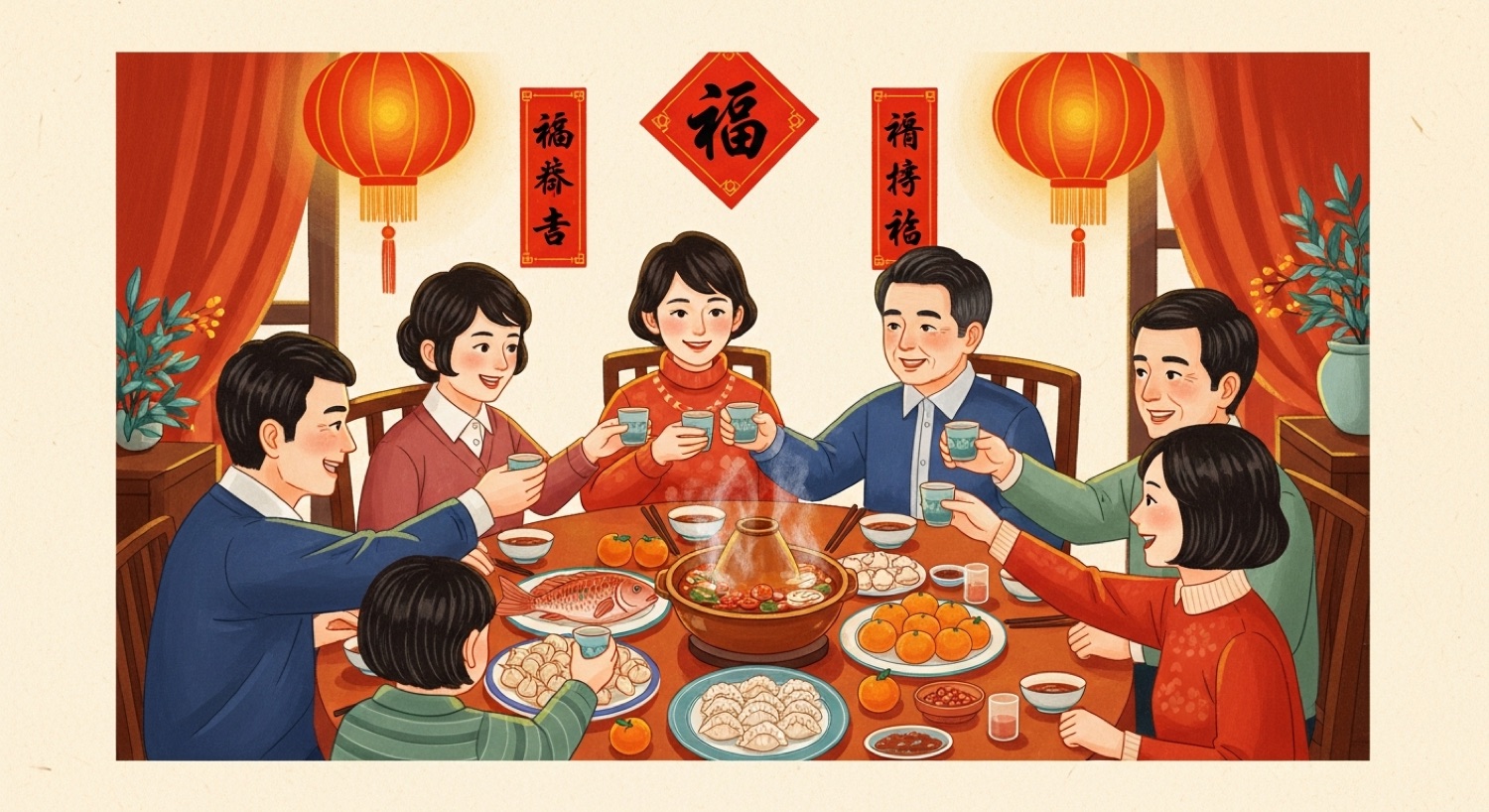
The festival year
Nine major festivals through the lunar calendar, plus the customs behind them.
Showing all 14
 Flagship1st day · 1st lunar month春节ChūnjiéSpring Festival
Chinese New Year — family reunions, red packets and fireworks to welcome the lunar year.
 Soon15th day · 1st lunar month元宵节Yuánxiāo jiéLantern Festival
Lanterns, riddles and sweet glutinous rice balls close out the New Year season.
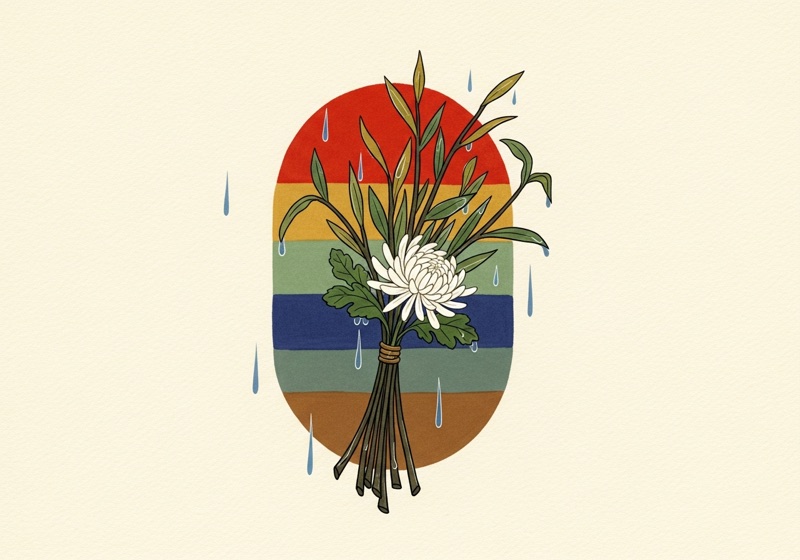 SoonEarly April清明节Qīngmíng jiéTomb-Sweeping Day
Families sweep ancestors’ graves and honour the departed as spring returns.
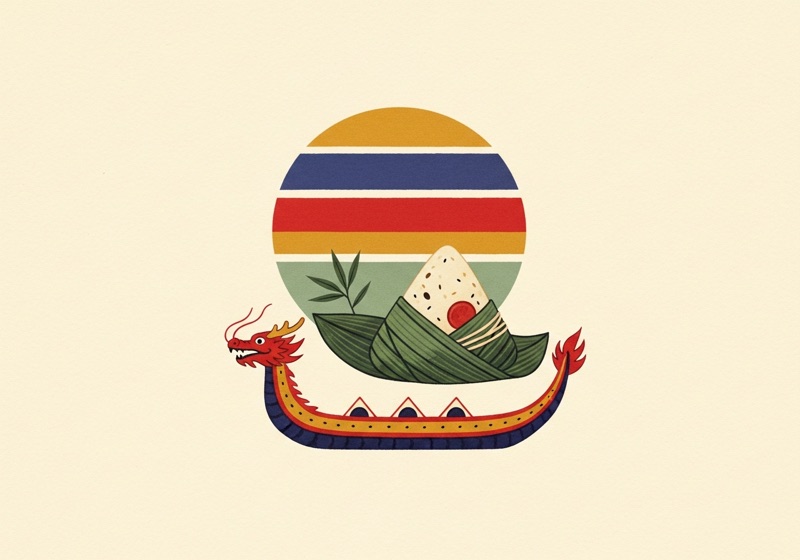 Soon5th day · 5th lunar month端午节Duānwǔ jiéDragon Boat Festival
Dragon-boat races and sticky-rice zòngzi remember the poet Qu Yuan.
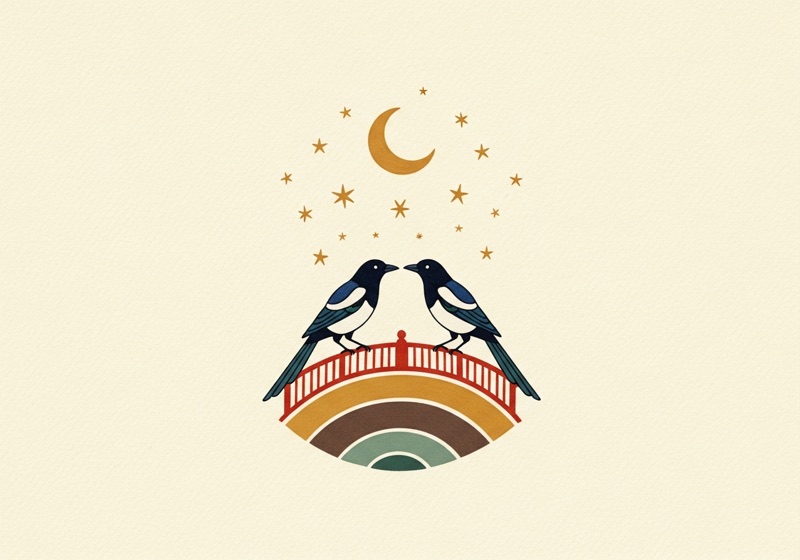 7th day · 7th lunar month七夕QīxīQixi (Chinese Valentine’s)
The once-a-year meeting of the Cowherd and Weaver Girl — China’s day of romance.
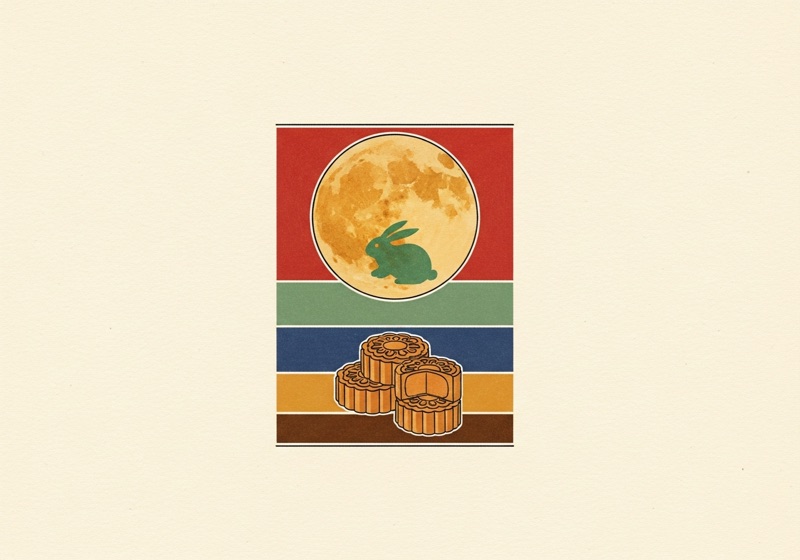 15th day · 8th lunar month中秋节Zhōngqiū jiéMid-Autumn Festival
Mooncakes and the full harvest moon bring families together under one sky.
 9th day · 9th lunar month重阳节Chóngyáng jiéDouble Ninth Festival
Climbing to high places and honouring elders on the “double yang” day.
 SoonAround 21 December冬至DōngzhìWinter Solstice
The longest night — families gather for dumplings or tāngyuán as winter turns.
 Soon8th day · 12th lunar month腊八节Làbā jiéLaba Festival
A warming bowl of eight-treasure porridge opens the run-up to the New Year.
 SoonCustom红包HóngbāoRed Packets
The red envelopes of lucky money — who gives, who gets, and why.
 SoonCustom茶文化Chá wénhuàTea Culture
Pouring, tapping thanks, and the quiet etiquette of Chinese tea.
 SoonCustom数字ShùzìLucky & Unlucky Numbers
Why 8 is auspicious, 4 is avoided, and how it shapes daily life.
 SoonCustom送礼SònglǐGift-Giving Taboos
The gifts to never give — clocks, pears, umbrellas — and what to give instead.
 SoonCustom餐桌礼仪Cānzhuō lǐyíTable & Dining Etiquette
Seating, chopstick rules and toasting at a Chinese table.
 SoonCustom颜色YánsèColours & Their Meanings
Red for joy, white for mourning, yellow once reserved for emperors.
No festivals or customs match that search. Try a name, pinyin or month.
FAQs
Explore more of Chinese
Culture and language grow from the same root. Keep going:
Learn the culture and the language together
Understand the festivals, then talk about them in Mandarin — in 1-on-1 online lessons with a native speaker.
Book a Free Intro Call