The world of Chinese food
The cuisines, the iconic dishes and the recipes — cooked at home, and learned in Mandarin.
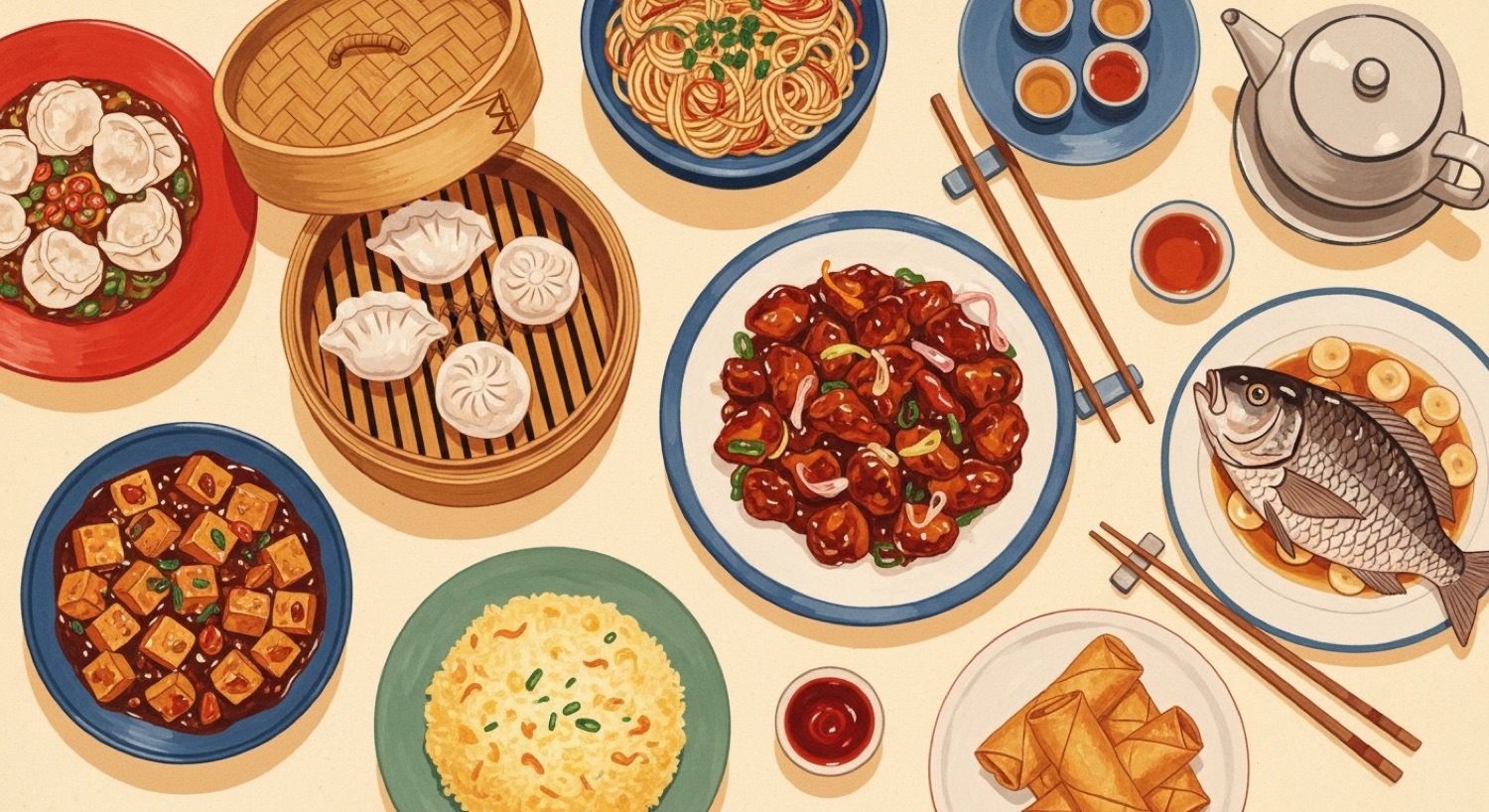
The world of Chinese food
There is no single “Chinese food.” It is a continent of cooking — eight great regional cuisines (八大菜系), from the tongue-tingling heat of Sichuan to the clean, fresh flavours of Cantonese dim sum, from hand-pulled northern noodles to the delicate knife-work of Jiangsu. What ties them together is a shared philosophy: balance — of flavour, colour, texture and even temperature — and food as the warm centre of family life.
What ties this diversity together is a shared philosophy that is less about recipes than about balance — of the five flavours (sweet, sour, salty, bitter and umami), of hot and cool, of colour and texture on the plate. A good Chinese meal is composed, not just cooked: a steamed dish beside a stir-fry, something crisp against something soft, always with rice or noodles as the quiet centre. Master a handful of techniques — a screaming-hot wok, a balanced sauce, a good knife — and the whole tradition opens up to you.
This is where we gather it all: the iconic dishes, the ingredients and techniques behind them, and — the heart of it — authentic recipes you can cook at home. And because it is WillyChina, every dish comes with its Mandarin name and key ingredients, spoken aloud, so the language sinks in with the flavours.
Explore China’s cuisines
China’s food changes with its geography. Tap a region to discover its flavours — the eight great cuisines (八大菜系) and beyond.
Start cooking
Our recipes — honest technique, and the Mandarin to go with it.
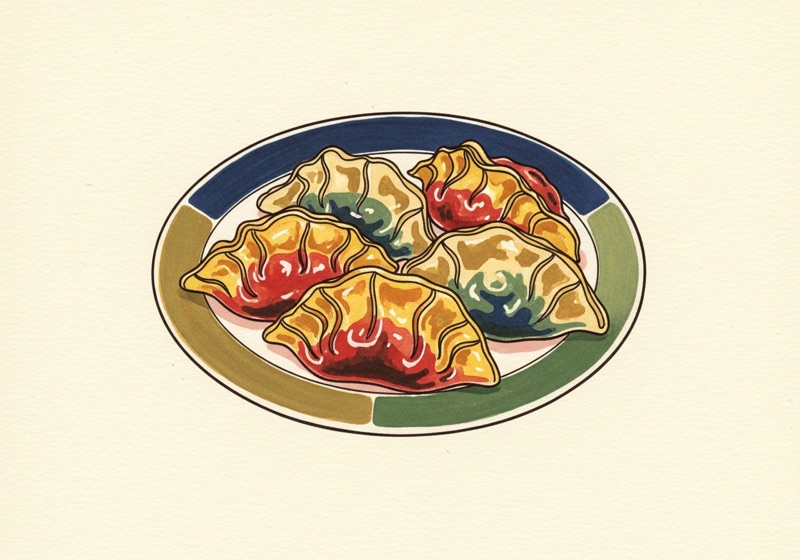 Flagship饺子JiǎoziDumplings
Pork & napa cabbage, from-scratch dough and the real folding technique.
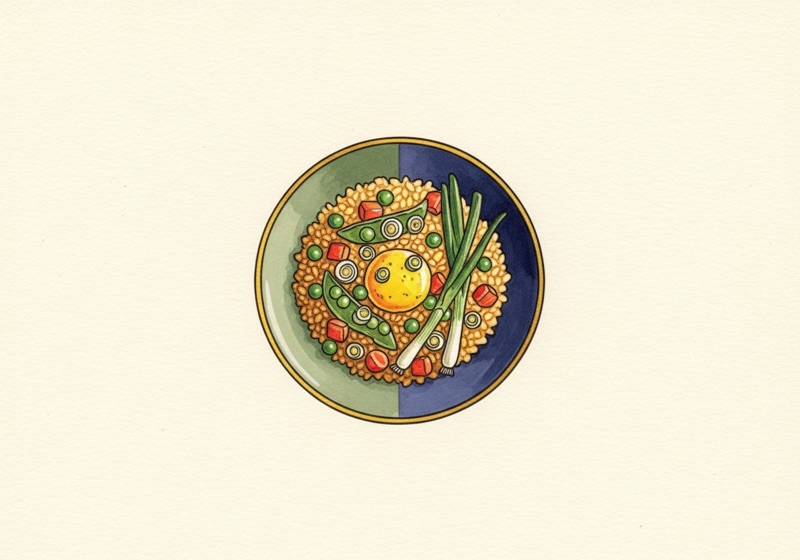 Live炒饭ChǎofànEgg Fried Rice
The 10-minute classic — fluffy, golden, and endlessly adaptable.
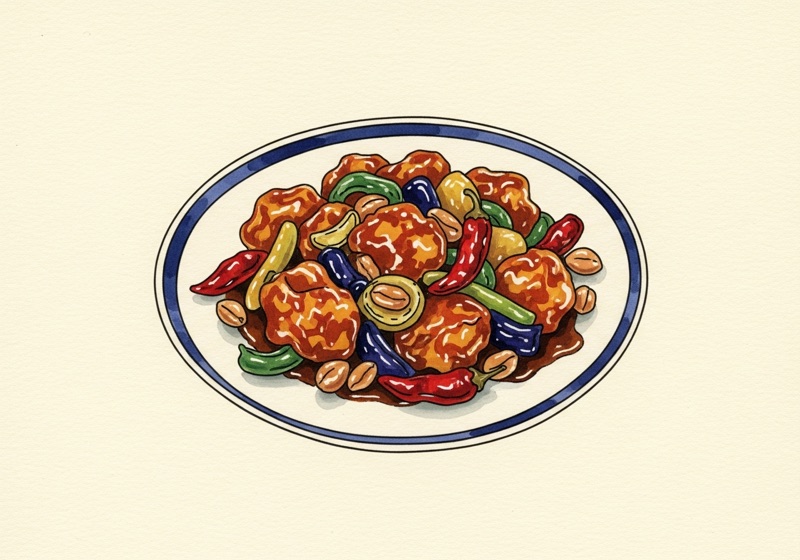 Live宫保鸡丁Gōngbǎo jīdīngKung Pao Chicken
Sichuan’s sweet-sour-spicy stir-fry with peanuts and dried chillies.
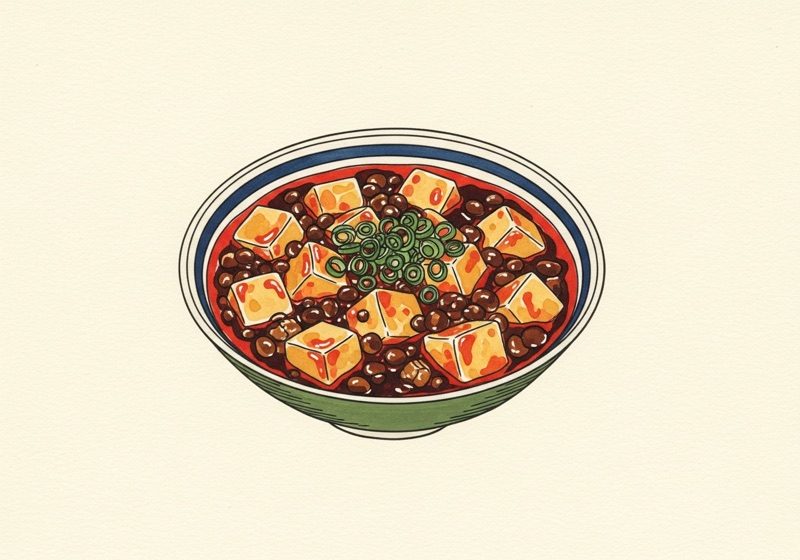 Live麻婆豆腐Mápó dòufuMapo Tofu
Silken tofu in a numbing, glossy chilli-bean sauce.
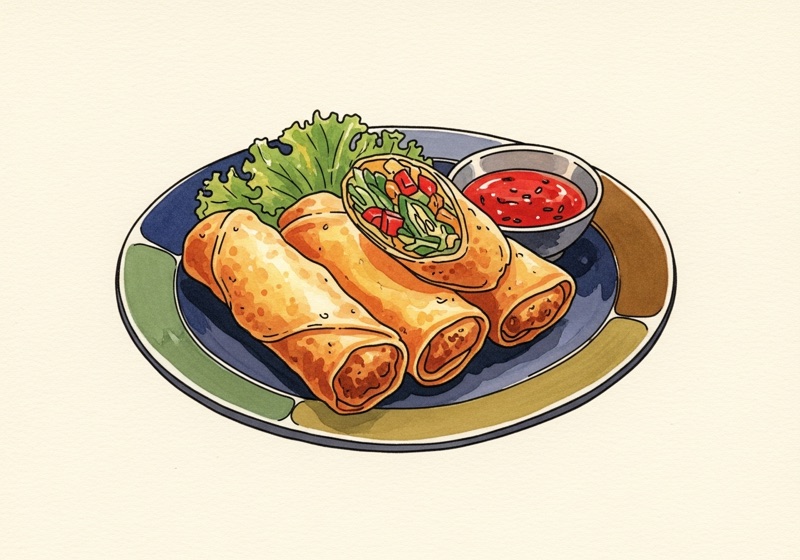 Soon春卷ChūnjuǎnSpring Rolls
Crisp, golden and shatteringly light — a New Year treat.
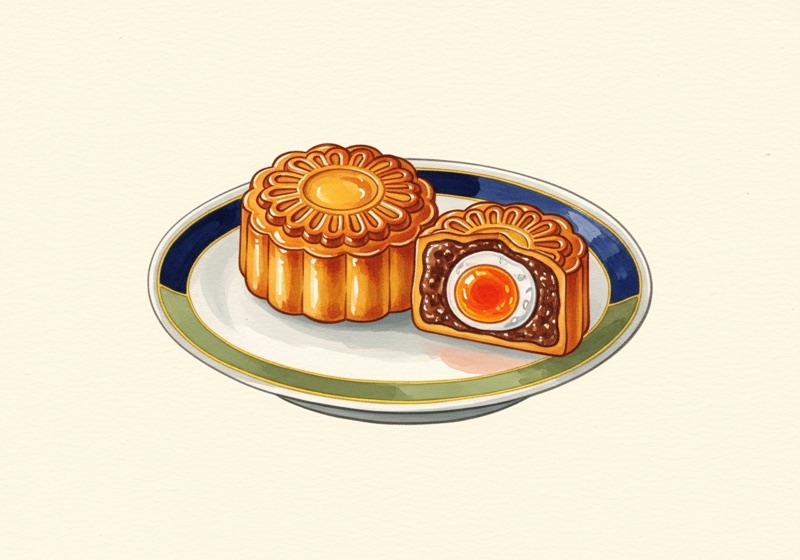 Soon月饼YuèbǐngMooncakes
Lotus paste and salted egg yolk — the taste of Mid-Autumn.
FAQs
Explore more of Chinese
Food is the tastiest way into the language and culture. Keep going:
Learn to cook it — and say it — in Mandarin
Food is the tastiest way into a language. Practise real Mandarin, dishes and all, in 1-on-1 online lessons with a native speaker.
Book a Free Intro Call