HSK 5 · Function Words

不见得 bújiànde “not necessarily” in Chinese

Traditional 不見得

What 不见得 means

  1. not necessarily
  2. not likely

How to say 不见得

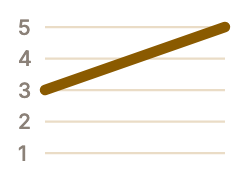
  • Pitch chart of the second tone: rises from mid to high, 3 to 5 on the five-level scale不bú2nd tone, rising
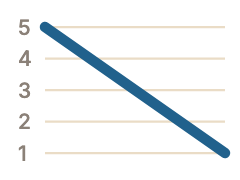
  • Pitch chart of the fourth tone: falls from high to low, 5 to 1 on the five-level scale见jiàn4th tone, falling
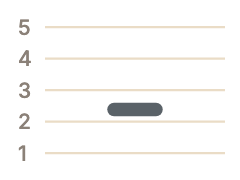
  • Pitch chart of the neutral tone: short and light, with no contour of its own得deneutral tone, light and short

Grey pinyin is a neutral tone: say it short and light. More on the neutral tone

Tone change. 不 is bù on its own. Before a fourth tone it changes to bú, and textbooks write that change in, as here. How tone changes work

不见得 in a sentence

  1. 他今天不见得会来。

    Tā jīntiān bújiànde huì lái.

    He is unlikely to come today.

    Sentence #3709348 from Tatoeba

  2. 他说的不见得对。

    Tā shuō de bújiànde duì.

    What he says isn’t necessarily true.

    Sentence #3709346 from Tatoeba

  3. 销售部门和营销部门的目标不见得一样。

    Xiāoshòu bùmén hé yíngxiāo bùmén de mùbiāo bújiànde yíyàng.

    The sales and marketing departments don’t necessarily have the same goals.

    Sentence #5144718 from Tatoeba · translation adapted

How 不见得 is built

Each colour is one part of the character. Parts repeat across thousands of characters, so learning them makes new words easier. See all 214 in our radicals chart.
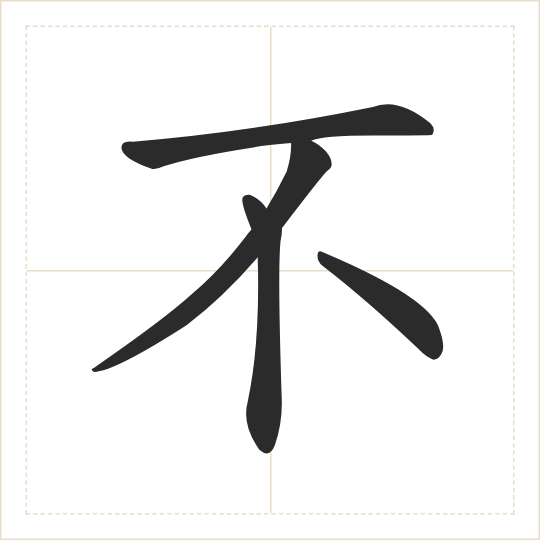
The character 不 (bù) drawn as one shape
不bùno; not sobú in 不见得

不 is a single shape of 4 strokes. Learn it whole, then watch its stroke order below.

Memory aidPicture a bar 一 across the top that nothing below can get past: not, no.
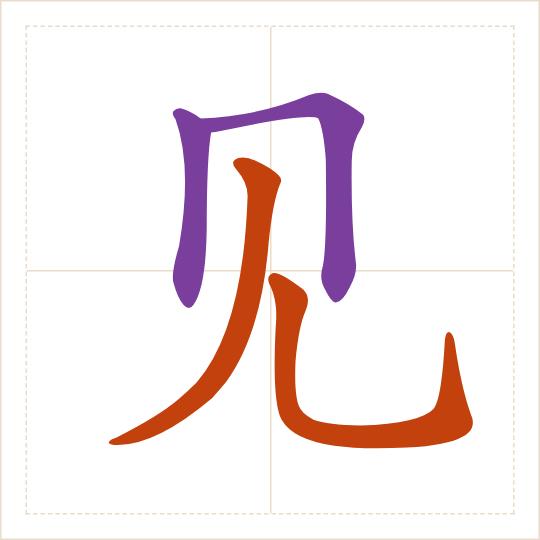
The character 见 (jiàn) with each of its parts in a different colour
见jiànto see
  • 冂down box · jiōng
  • 儿legs · ér

Memory aidSimplified from 見: a big eye 目 on top of a person 儿: to see.
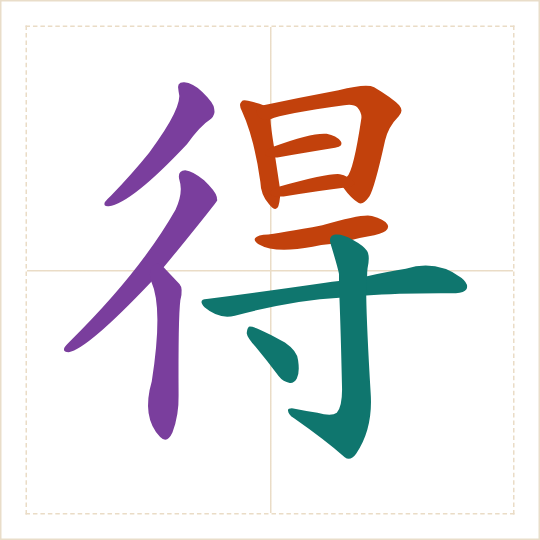
The character 得 (de) with each of its parts in a different colour
得destructural particle: used after a verb
  • 彳step · chì
  • 旦dawn · dàn
  • 寸inch · cùn

Memory aidA hand 寸 picking up a shell, once used as money, while out on the road 彳: to get.

How to write 不见得

不 4 strokes · 见 4 strokes · 得 11 strokes

Watch the order, then press Try writing it and draw each stroke in the grid. Each stroke is checked as you go.
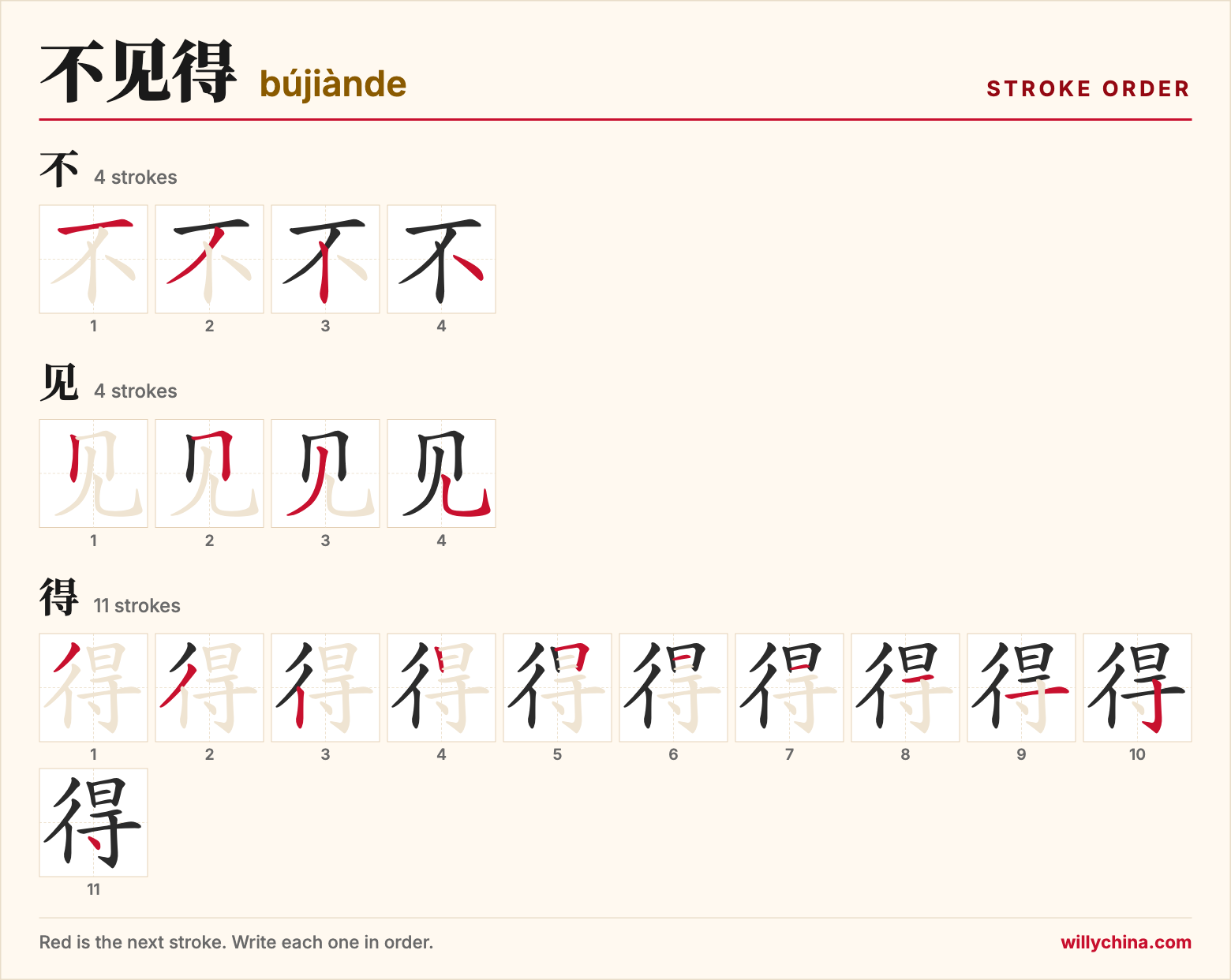
不见得 (bújiànde) stroke order chart: each stroke of the characters in the order you write them
Stroke order chart for 不见得 (bújiànde). Red marks the next stroke, so you can copy it onto paper one step at a time.

Words related to 不见得

Words with 不

Words with 见

Words with 得

More words: Function Words & Grammar

FAQs

不见得 (bújiànde) means “not necessarily” or “not likely”. It is an HSK 5 word.
Say it bújiànde: bú with a 2nd tone, then jiàn with a 4th tone, then de with a neutral tone. 不 is bù on its own. Before a fourth tone it changes to bú, and textbooks write that change in, as here. Press Listen at the top of this page to hear it, or Slowly to hear each tone clearly.
In Traditional characters, used in Taiwan and Hong Kong, 不见得 is written 不見得. The pronunciation is the same.
Add a Chinese (Simplified) pinyin keyboard to your phone or computer, type bujiande with no tone marks or spaces, then choose 不见得 from the suggestions. Typing bujiande into this dictionary’s search box finds it too.
不见得 is an HSK 5 word in the HSK 2.0 word lists.

Turn words into conversations

A dictionary gives you the words. A native teacher shows you how to use them. Start with a free 30-minute intro call.

Book a free intro call

Sources: meaning and pinyin checked by a native Mandarin teacher against the official HSK lists. Extra meanings from CC-CEDICT (CC BY-SA 4.0). Example sentences from Tatoeba (CC BY 2.0 FR). Character parts and stroke order from Make Me a Hanzi.