HSK 3.0 Level 2 · Greetings

不好意思 bùhǎoyìsi “to feel embarrassed” in Chinese

Same in Traditional

What 不好意思 means

  1. to feel embarrassed
  2. to find it embarrassing
  3. to be sorry (for inconveniencing sb)

How to say 不好意思
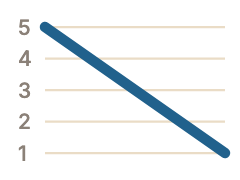
  • Pitch chart of the fourth tone: falls from high to low, 5 to 1 on the five-level scale不bù4th tone, falling
  • Pitch chart of the third tone: dips low then rises, 2 to 1 to 4 on the five-level scale好hǎo3rd tone, dipping
  • Pitch chart of the fourth tone: falls from high to low, 5 to 1 on the five-level scale意yì4th tone, falling
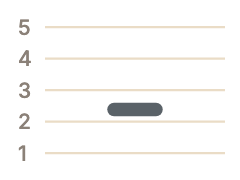
  • Pitch chart of the neutral tone: short and light, with no contour of its own思sineutral tone, light and short

Grey pinyin is a neutral tone: say it short and light. More on the neutral tone

不好意思 in a sentence

  1. 不好意思,你叫什么名字?

    Bùhǎoyìsi, nǐ jiào shénme míngzi?

    Excuse me, what’s your name?

    Sentence #1202599 from Tatoeba · translation adapted

  2. 真不好意思,让您久等了。

    Zhēn bùhǎoyìsi, ràng nín jiǔ děng le.

    I’m so sorry to keep you waiting.

    Sentence #3537632 from Tatoeba · translation adapted

  3. 我太不好意思啦。

    Wǒ tài bùhǎoyìsi la.

    I’m so embarrassed.

    Sentence #374820 from Tatoeba · translation adapted

How 不好意思 is built

Each colour is one part of the character. Parts repeat across thousands of characters, so learning them makes new words easier. See all 214 in our radicals chart.
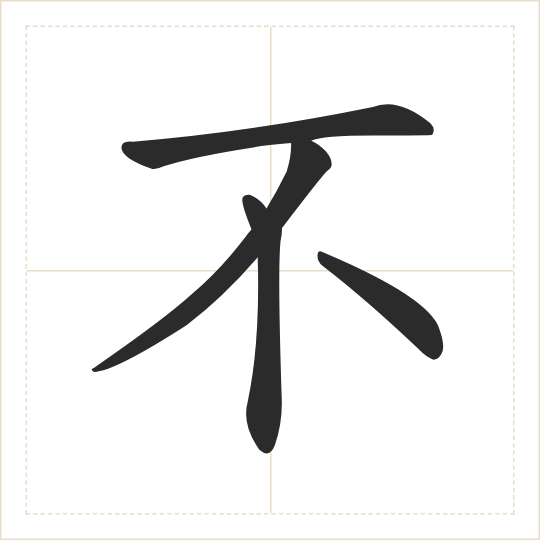
The character 不 (bù) drawn as one shape
不bùno; not so

不 is a single shape of 4 strokes. Learn it whole, then watch its stroke order below.

Memory aidPicture a bar 一 across the top that nothing below can get past: not, no.
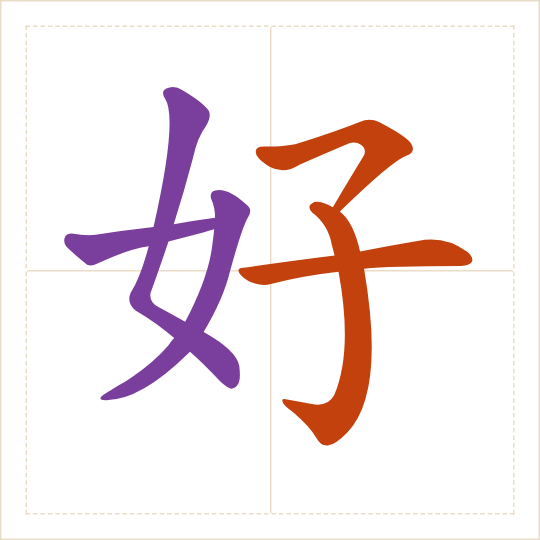
The character 好 (hǎo) with each of its parts in a different colour
好hǎogood
  • 女woman · nǚ
  • 子child · zǐ

Memory aidA woman 女 with her child 子: something good.

The character 意 (yì) with each of its parts in a different colour
意yìidea; thought; meaning; sense
  • 音sound · yīnSound part
  • 心heart · xīnMeaning part

心 hints at the meaning (heart); 音 (yīn) hints at the sound. Compare it with yì.

Memory aidA sound 音 from the heart 心: a thought, a meaning.
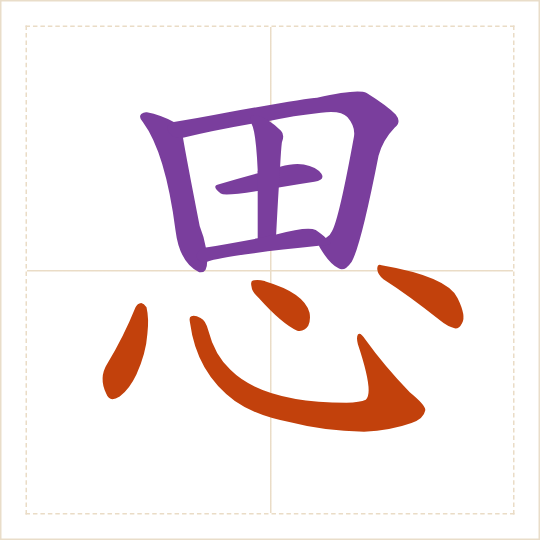
The character 思 (sī) with each of its parts in a different colour
思sīto thinklight in 不好意思
  • 田field · tián
  • 心heart · xīn

Memory aidA head 田 (once a drawing of the skull) above the heart 心: to think.

How to write 不好意思

不 4 strokes · 好 6 strokes · 意 13 strokes · 思 9 strokes

Watch the order, then press Try writing it and draw each stroke in the grid. Each stroke is checked as you go.
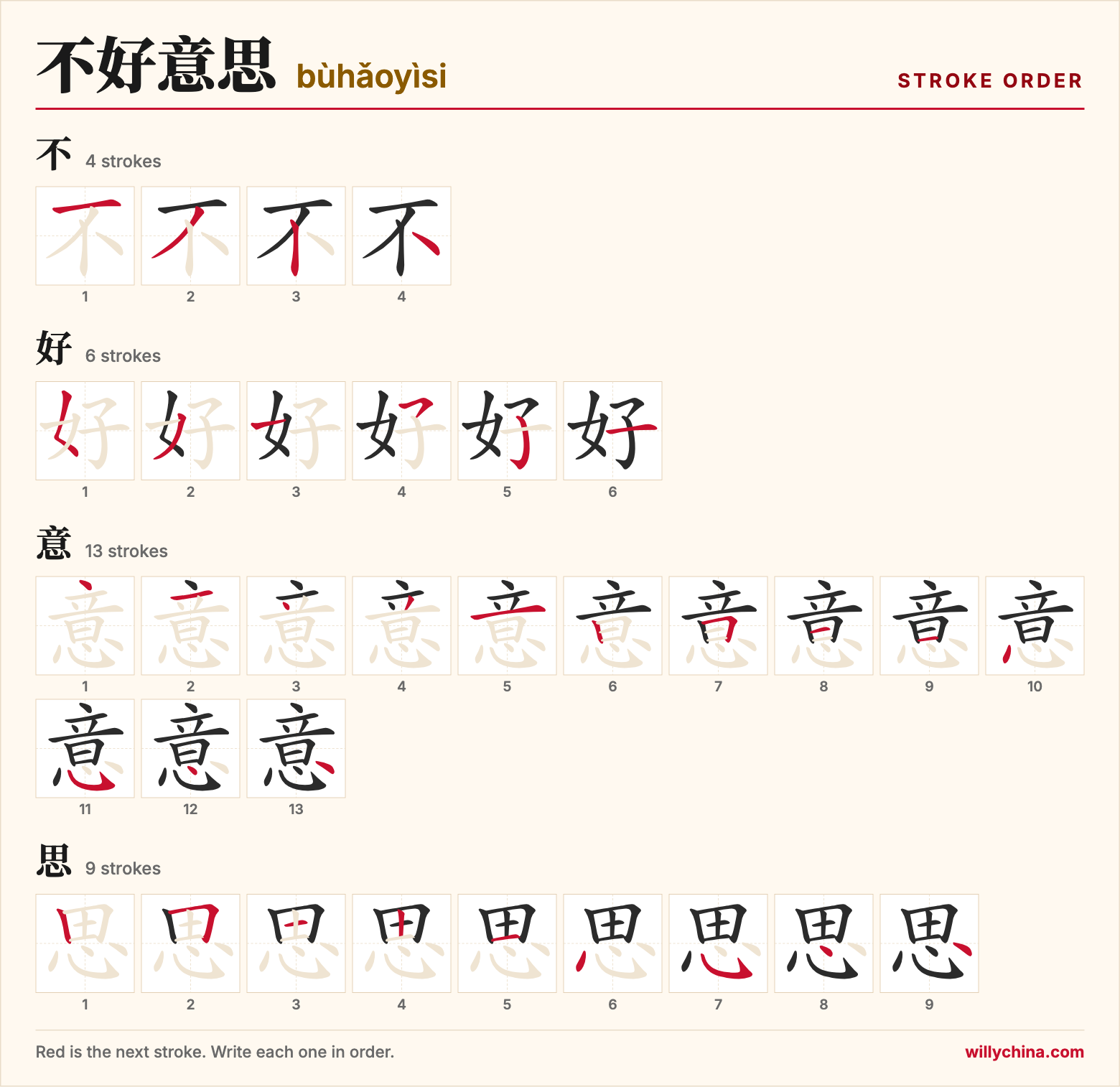
不好意思 (bùhǎoyìsi) stroke order chart: each stroke of the characters in the order you write them
Stroke order chart for 不好意思 (bùhǎoyìsi). Red marks the next stroke, so you can copy it onto paper one step at a time.

Words related to 不好意思

Words with 不

Words with 好

Words with 意

Words with 思

More words: Greetings & Politeness

FAQs

不好意思 (bùhǎoyìsi) means “to feel embarrassed” or “to find it embarrassing”. It is an HSK 3.0 Level 2 word.
Say it bùhǎoyìsi: bù with a 4th tone, then hǎo with a 3rd tone, then yì with a 4th tone, then si with a neutral tone. Press Listen at the top of this page to hear it, or Slowly to hear each tone clearly.
Yes. 不好意思 is written the same way in Simplified and Traditional characters.
Add a Chinese (Simplified) pinyin keyboard to your phone or computer, type buhaoyisi with no tone marks or spaces, then choose 不好意思 from the suggestions. Typing buhaoyisi into this dictionary’s search box finds it too.
不好意思 is an HSK 3.0 Level 2 word in the official 2021 syllabus, and it is on our HSK 3.0 Band 2 word list. It is not on the older HSK 2.0 word lists.

Turn words into conversations

A dictionary gives you the words. A native teacher shows you how to use them. Start with a free 30-minute intro call.

Book a free intro call

Sources: meaning and pinyin checked by a native Mandarin teacher against the official HSK lists. Extra meanings from CC-CEDICT (CC BY-SA 4.0). Example sentences from Tatoeba (CC BY 2.0 FR). Character parts and stroke order from Make Me a Hanzi.