HSK 1 · Greetings

对不起 duìbuqǐ “sorry” in Chinese

Traditional 對不起

What 对不起 means

  1. sorry
  2. I’m sorry
  3. excuse me
  4. I beg your pardon
  5. to let (sb) down
More meanings from CC-CEDICT
  • to disappoint

How to say 对不起

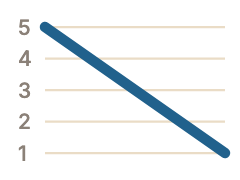
  • Pitch chart of the fourth tone: falls from high to low, 5 to 1 on the five-level scale对duì4th tone, falling
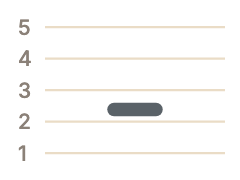
  • Pitch chart of the neutral tone: short and light, with no contour of its own不buneutral tone, light and short
  • Pitch chart of the third tone: dips low then rises, 2 to 1 to 4 on the five-level scale起qǐ3rd tone, dipping

Grey pinyin is a neutral tone: say it short and light. More on the neutral tone

对不起 in a sentence

  1. 对不起,火车晚点了。

    Duìbuqǐ, huǒchē wǎndiǎn le.

    Sorry. The train was late.

    Sentence #750140 from Tatoeba

  2. 对不起,附近有厕所吗?

    Duìbuqǐ, fùjìn yǒu cèsuǒ ma?

    Excuse me, is there a toilet nearby?

    Sentence #759380 from Tatoeba · translation adapted

How 对不起 is built

Each colour is one part of the character. Parts repeat across thousands of characters, so learning them makes new words easier. See all 214 in our radicals chart.
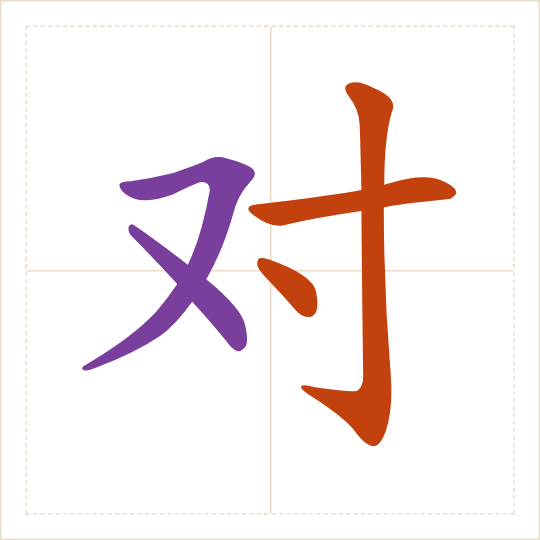
The character 对 (duì) with each of its parts in a different colour
对duìright; correct
  • 又again · yòu
  • 寸inch · cùn

Memory aidPicture two hands, 又 and 寸, facing each other as a matching pair: opposite, correct.
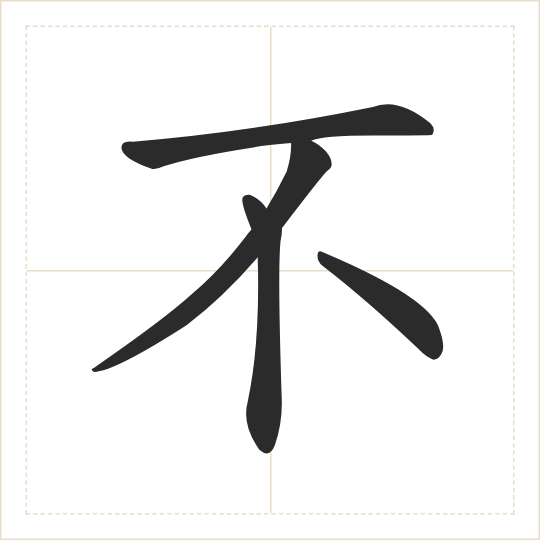
The character 不 (bù) drawn as one shape
不bùno; not solight in 对不起

不 is a single shape of 4 strokes. Learn it whole, then watch its stroke order below.

Memory aidPicture a bar 一 across the top that nothing below can get past: not, no.
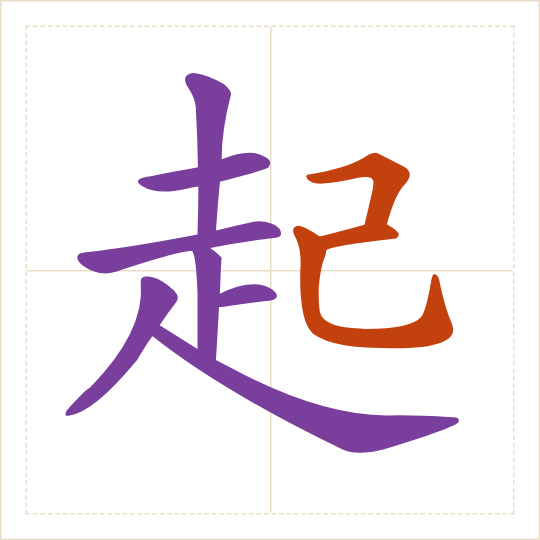
The character 起 (qǐ) with each of its parts in a different colour
起qǐto rise
  • 走walk · zǒuMeaning part
  • 己self · jǐSound part

走 hints at the meaning (walk); 己 (jǐ) hints at the sound. Compare it with qǐ.

How to write 对不起

对 5 strokes · 不 4 strokes · 起 10 strokes

Watch the order, then press Try writing it and draw each stroke in the grid. Each stroke is checked as you go.
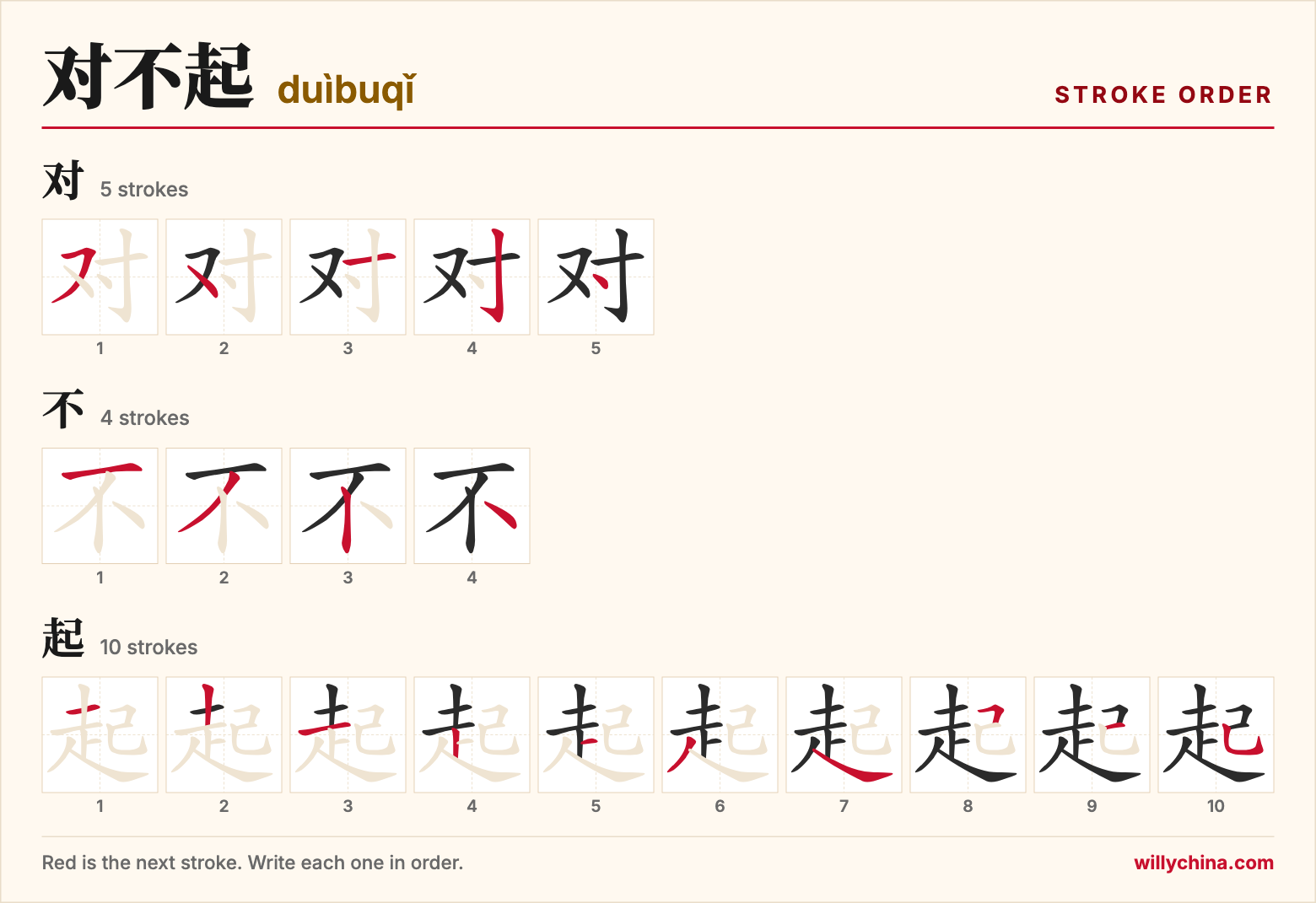
对不起 (duìbuqǐ) stroke order chart: each stroke of the characters in the order you write them
Stroke order chart for 对不起 (duìbuqǐ). Red marks the next stroke, so you can copy it onto paper one step at a time.

Words related to 对不起

Words with 对

Words with 不

Words with 起

More words: Greetings & Phrases

FAQs

对不起 (duìbuqǐ) means “sorry” or “I’m sorry”. It is an HSK 1 word, so it is one of the words learners meet early.
Say it duìbuqǐ: duì with a 4th tone, then bu with a neutral tone, then qǐ with a 3rd tone. Press Listen at the top of this page to hear it, or Slowly to hear each tone clearly.
In Traditional characters, used in Taiwan and Hong Kong, 对不起 is written 對不起. The pronunciation is the same.
Add a Chinese (Simplified) pinyin keyboard to your phone or computer, type duibuqi with no tone marks or spaces, then choose 对不起 from the suggestions. Typing duibuqi into this dictionary’s search box finds it too.
对不起 is an HSK 1 word in the HSK 2.0 word lists.

Turn words into conversations

A dictionary gives you the words. A native teacher shows you how to use them. Start with a free 30-minute intro call.

Book a free intro call

Sources: meaning and pinyin checked by a native Mandarin teacher against the official HSK lists. Extra meanings from CC-CEDICT (CC BY-SA 4.0). Example sentences from Tatoeba (CC BY 2.0 FR). Character parts and stroke order from Make Me a Hanzi.