HSK 4 · Verbs

引起 yǐnqǐ “to give rise to” in Chinese

Said as yínqǐ

Same in Traditional

What 引起 means

  1. to give rise to
  2. to lead to
  3. to cause
  4. to arouse

How to say 引起

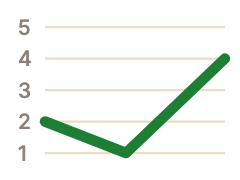
  • Pitch chart of the third tone: dips low then rises, 2 to 1 to 4 on the five-level scale引yǐn3rd tone, dipping
  • Pitch chart of the third tone: dips low then rises, 2 to 1 to 4 on the five-level scale起qǐ3rd tone, dipping

Said as yínqǐ. When two third tones meet, the first one rises into a second tone. You still write it with two third tones. How tone changes work

引起 in a sentence

  1. 你已经引起了我的注意。

    Nǐ yǐjīng yǐnqǐ le wǒ de zhùyì.

    You’ve already got my attention.

    Sentence #14037682 from Tatoeba · translation adapted

  2. 你的行为引起了许多的麻烦。

    Nǐ de xíngwéi yǐnqǐ le xǔduō de máfan.

    Your behaviour has caused a lot of trouble.

    Sentence #1996922 from Tatoeba · converted to simplified characters · translation adapted

  3. 咖啡不能引起我的兴趣。

    Kāfēi bùnéng yǐnqǐ wǒ de xìngqù.

    Coffee doesn’t interest me.

    Sentence #918514 from Tatoeba · translation adapted

How 引起 is built

Each colour is one part of the character. Parts repeat across thousands of characters, so learning them makes new words easier. See all 214 in our radicals chart.
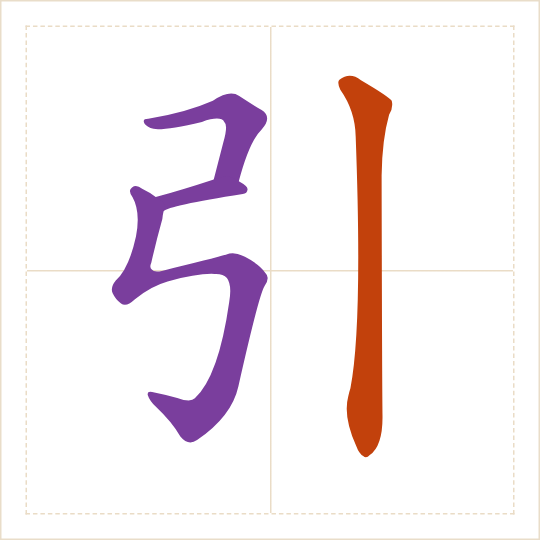
The character 引 (yǐn) with each of its parts in a different colour
引yǐnto draw
  • 弓bow · gōng
  • 丨line · gǔn
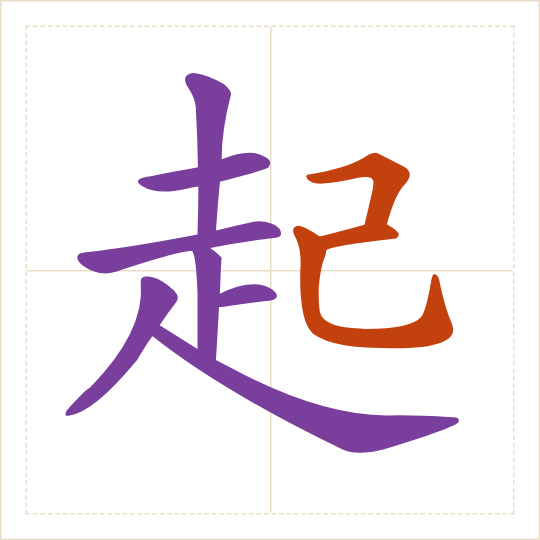
The character 起 (qǐ) with each of its parts in a different colour
起qǐto rise
  • 走walk · zǒuMeaning part
  • 己self · jǐSound part

走 hints at the meaning (walk); 己 (jǐ) hints at the sound. Compare it with qǐ.

How to write 引起

引 4 strokes · 起 10 strokes

Watch the order, then press Try writing it and draw each stroke in the grid. Each stroke is checked as you go.
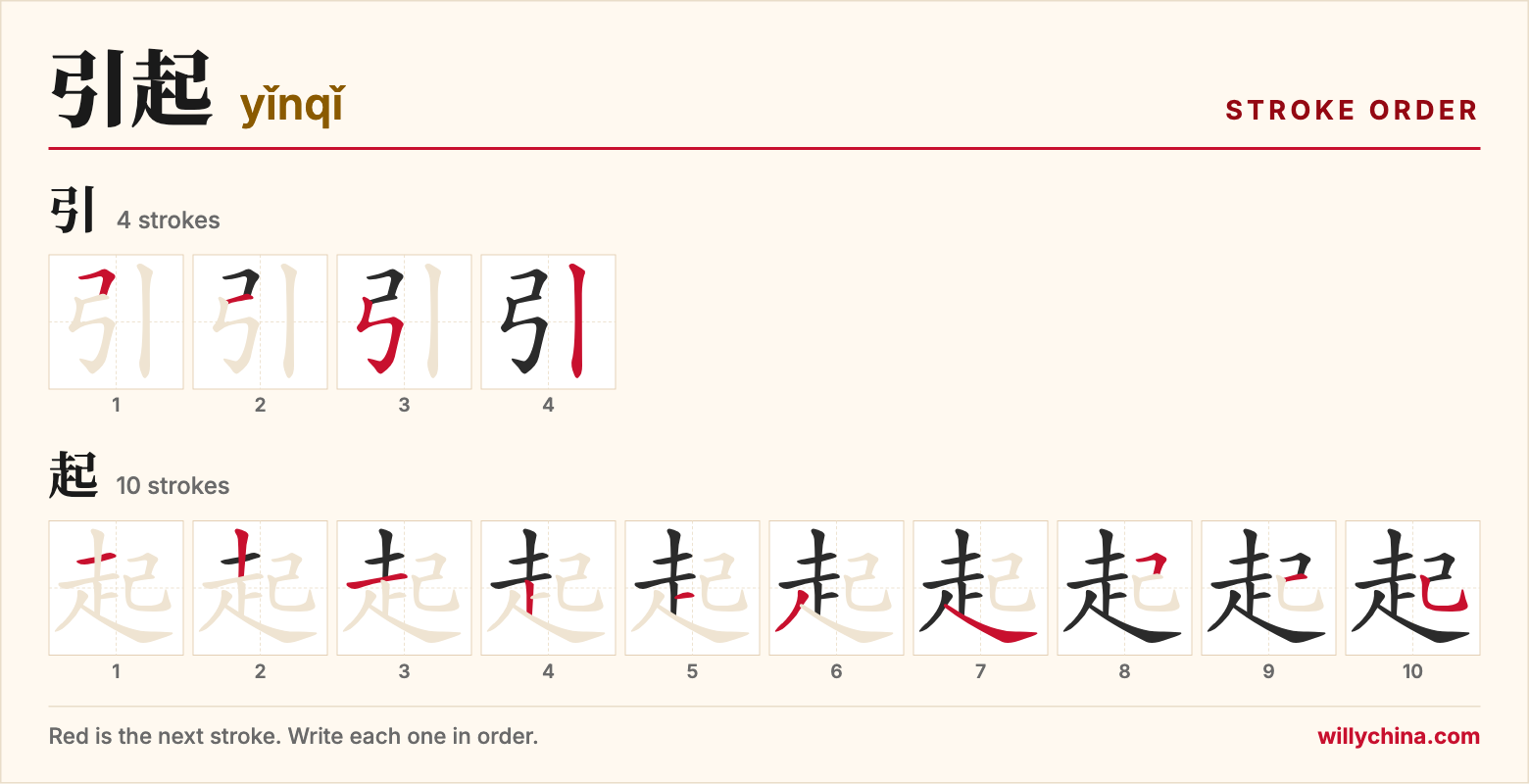
引起 (yǐnqǐ) stroke order chart: each stroke of the characters in the order you write them
Stroke order chart for 引起 (yǐnqǐ). Red marks the next stroke, so you can copy it onto paper one step at a time.

Words related to 引起

Words with 引

Words with 起

More words: Common Verbs

FAQs

引起 (yǐnqǐ) means “to give rise to” or “to lead to”. It is an HSK 4 word.
Say it yǐnqǐ: yǐn with a 3rd tone, then qǐ with a 3rd tone. In speech it sounds like yínqǐ. When two third tones meet, the first one rises into a second tone. You still write it with two third tones. Press Listen at the top of this page to hear it, or Slowly to hear each tone clearly.
Yes. 引起 is written the same way in Simplified and Traditional characters.
Add a Chinese (Simplified) pinyin keyboard to your phone or computer, type yinqi with no tone marks or spaces, then choose 引起 from the suggestions. Typing yinqi into this dictionary’s search box finds it too.
引起 is an HSK 4 word in the HSK 2.0 word lists.

Turn words into conversations

A dictionary gives you the words. A native teacher shows you how to use them. Start with a free 30-minute intro call.

Book a free intro call

Sources: meaning and pinyin checked by a native Mandarin teacher against the official HSK lists. Extra meanings from CC-CEDICT (CC BY-SA 4.0). Example sentences from Tatoeba (CC BY 2.0 FR). Character parts and stroke order from Make Me a Hanzi.