Home › Chinese Australia
Chinese Australia
The story of Chinese Australians 澳大利亚华人 Àodàlìyà Huárén
Two centuries of it — the goldfields, the market gardens, and the suburbs where you can buy a whole fish and a bag of longans on a Tuesday.
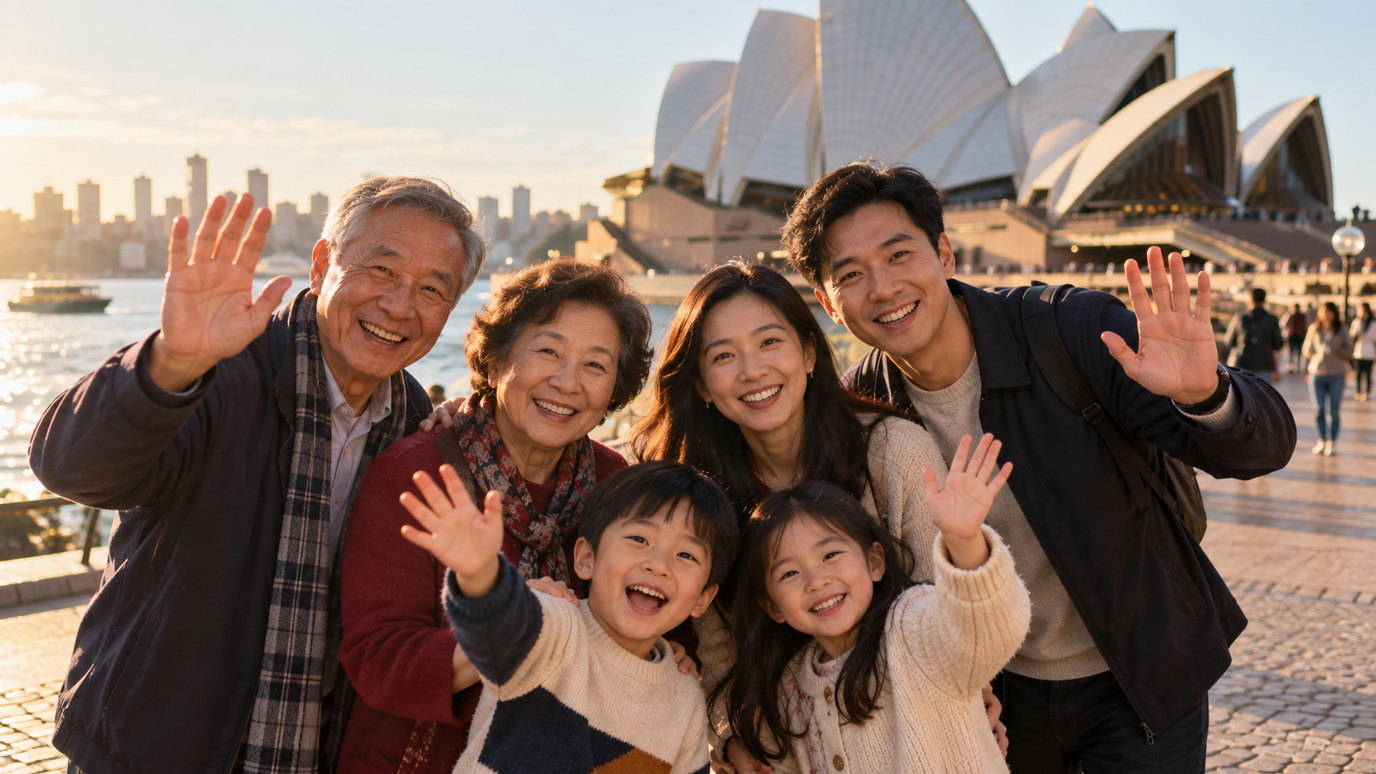
Most of what is written about Chinese Australians is written from outside the community. Either as history — gold rushes and exclusion acts, safely in the past — or as a food guide to somewhere you visit on a Saturday.
This is the other thing. What the shop signs actually say. Which dialect you are hearing in Box Hill and why it is not the one you hear in Hurstville. Why your neighbour’s parents speak Cantonese and their children answer in Mandarin. It is the half of the story you only get from inside both languages.
And the difference is real, not impressionistic. In Box Hill, Mandarin is spoken at home by 33.9% of residents — it has overtaken English, on 32.5%. Cantonese sits at 8.5%. Twenty minutes of a different city away, in Sydney’s Hurstville, the split is 26.1% Mandarin to 16.2% Cantonese. Same country, same census, two different rooms.
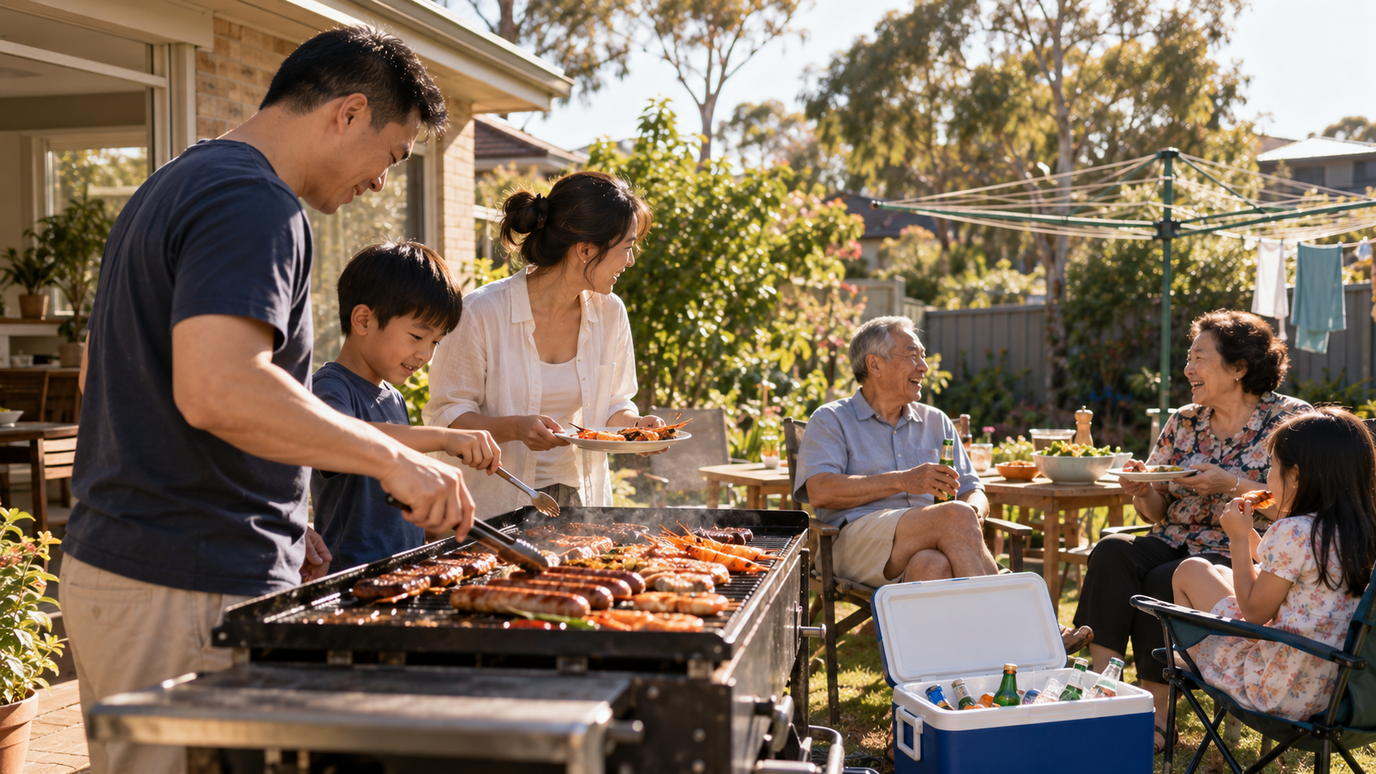
Both countries, in one backyard. That is the whole subject.
The series
Guides to Chinese Australian life
Start anywhere — each one stands on its own.
 01
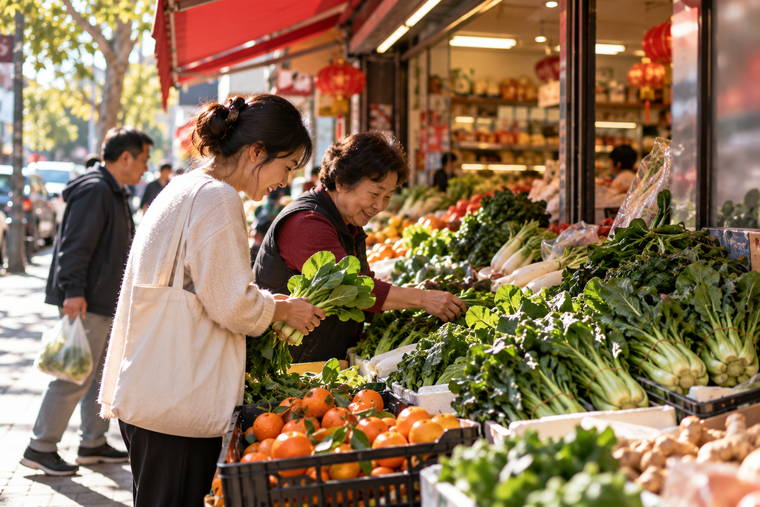
Chinese suburbs of Australia
Box Hill, Hurstville, Chatswood, Sunnybank, Glen Waverley. What is spoken, what is sold, and what the shopfronts say once you can read them.
Read the guide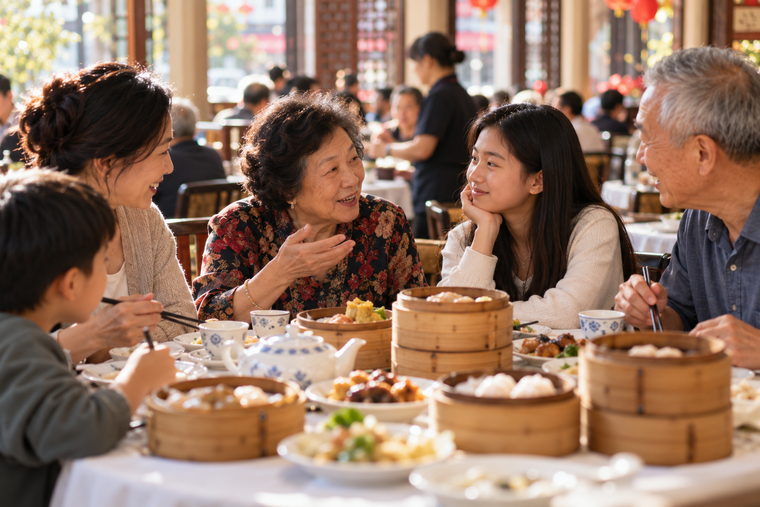 02
Mandarin or Cantonese?
Which one your neighbours actually speak, suburb by suburb — and which one is worth learning if your reason is Australian rather than abroad.
Read the guide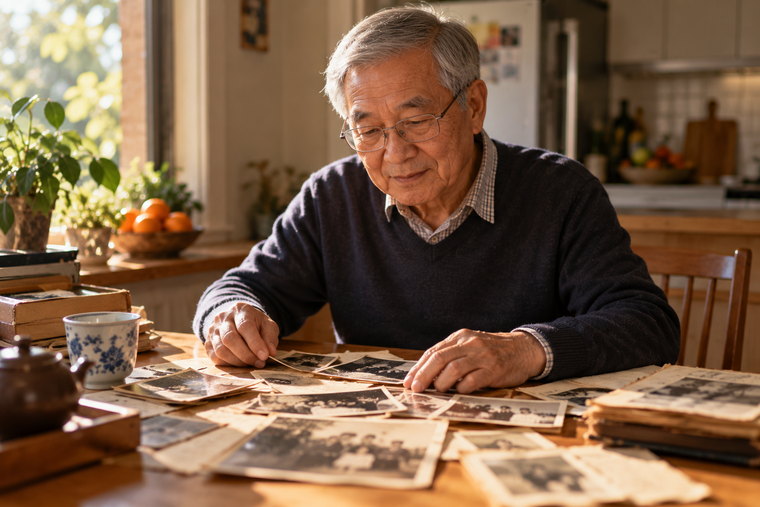 03
The history of Chinese Australians
From the first settler in 1818 through the gold rushes and White Australia to today, told in their own words.
Read the guide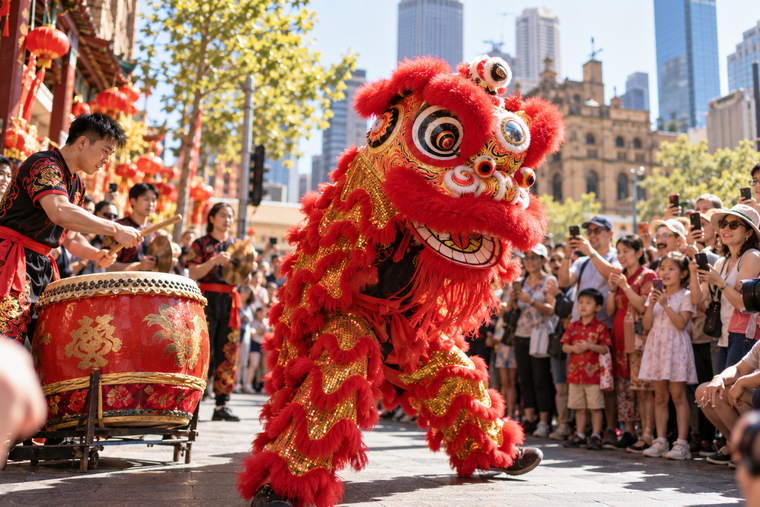 04
Chinese New Year in Australia
Where it actually happens — Sydney, Melbourne, Brisbane, Perth — and what to say when you get there.
Read the guide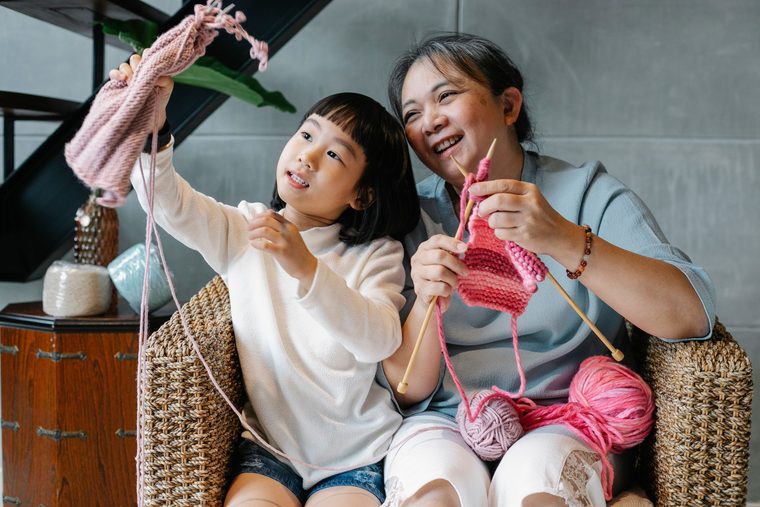 05
Mandarin for Australian kids
What schools teach, the Year 12 rules for families who speak Chinese at home, and when to start.
Read the guide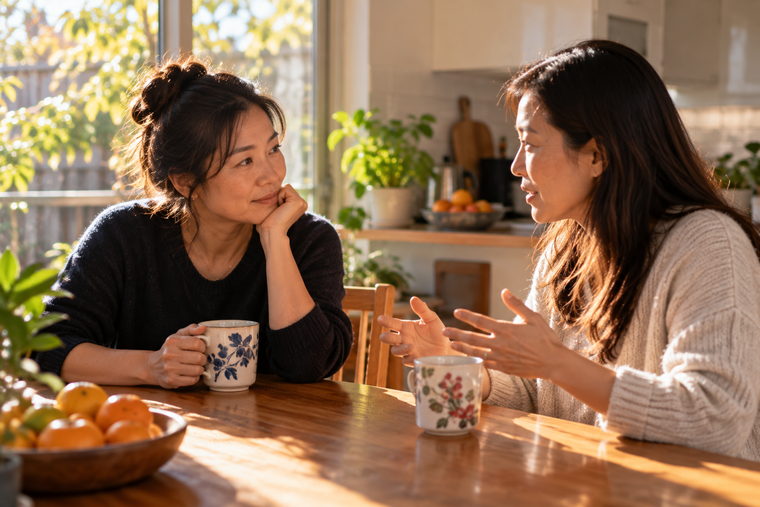 06
Chinese Australian stories
“Where are you actually from?” First-hand accounts of growing up between two countries — starting with Will’s own, from Cronulla Beach to the Great Wall.
Read Will’s storyCommunities
Chinese communities across Australia
The suburbs where you will hear the most Mandarin and Cantonese — and where we teach.
There is a pattern in these figures, and it is a migration history rather than a coincidence. Box Hill is overwhelmingly Mandarin — 33.9% against 8.5% Cantonese — because its Chinese population is largely recent and largely from the mainland. Hurstville (26.1% Mandarin, 16.2% Cantonese) and Chatswood (23.3% and 12.3%) carry a thicker Cantonese layer underneath, laid down by earlier arrivals from Hong Kong and Guangdong before the mainland wave.
Which is why “do they speak Chinese?” is the wrong question to ask about a suburb, and “which Chinese, and when did they arrive?” is the right one. You can hear the answer on the street before you can read it in a table.
New South Wales
Eastwood · Hurstville · Chatswood
Eastwood is 48.8% Chinese ancestry — the highest of any suburb we checked. Hurstville is 28.6% China-born; Chatswood 23.3% Mandarin-speaking.
Victoria
Box Hill · Glen Waverley
In Box Hill, Mandarin (33.9%) has overtaken English (32.5%) as the language spoken at home. Glen Waverley is 23.3% Mandarin-speaking.
By the numbers
How many Chinese Australians are there?
All figures: Australian Bureau of Statistics, Cultural diversity of Australia, 2021 Census.
Lives
Notable Chinese Australians
Three lives, three different routes in — a boy sent to the goldfields in 1859, a girl who arrived from Malaysian Borneo at eight, and a chef born in Sydney into a family that had already been here for generations.
Arrived 1859
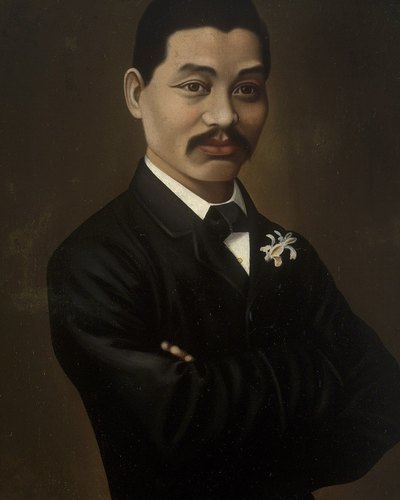
Mei Quong Tart
1850–1903 · born Taishan, Guangdong
Came to New South Wales aged nine, to the goldfields around Braidwood and Araluen. He became one of colonial Sydney’s best-known merchants, running tea rooms through the city arcades and opening the Elite Hall at the Queen Victoria Market in 1898.
The Qing court made him a Mandarin of the fourth degree. He campaigned against the opium trade, and his tea rooms hosted some of Sydney’s first suffragette meetings — a Chinese migrant’s drawing room doubling as the city’s progressive parlour.
Arrived aged eight
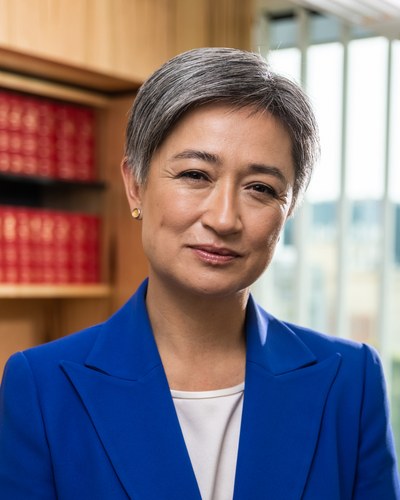
Penny Wong
b. 1968 · born Kota Kinabalu, Sabah
Her father came from Sandakan in Malaysian Borneo to study architecture in Adelaide on a Colombo Plan scholarship — one of the quieter routes that brought Chinese families here decades before the migration of the 1990s. She grew up with Hakka and Cantonese alongside English, and came to Adelaide with her mother at eight.
A senator for South Australia since 2002, she became the first Asian‑Australian to sit in an Australian cabinet in 2008. She has been Minister for Foreign Affairs and Leader of the Government in the Senate since 2022, and in March 2024 became the longest‑serving female cabinet minister in the country’s history.
Born here, 1969
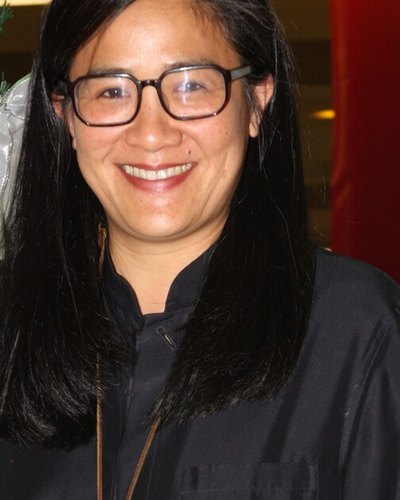
Kylie Kwong
b. 1969 · born Sydney
A third-generation Chinese Australian who learned Cantonese cooking from her mother, and whose great-grandfather was Kwong Sue Duk.
She opened Billy Kwong in Surry Hills, moved it to Potts Point in 2014, and opened Lucky Kwong in 2021 before stepping back from restaurant ownership in 2024 — three decades of cooking Chinese food for Australians, in Australian produce.
Three is an arbitrary number. Dr Victor Chang (1936–1991) was born in Shanghai and sent out from Hong Kong in 1951 to live with an uncle in Campsie; he helped establish the National Cardiac Transplant Unit at St Vincent’s, and in 1999 was voted Australian of the Century — the institute in Darlinghurst still carries his name. Dr John Yu, a Chinese‑born paediatrician, ran the Royal Alexandra Hospital for Children from 1979 to 1997 and oversaw its move to Westmead; he was Australian of the Year in 1996.
Image credits. Mei Quong Tart — portrait c.1885, artist unknown, public domain, via Wikimedia Commons. Penny Wong — official portrait by the Department of Foreign Affairs and Trade, CC BY 4.0, via Wikimedia Commons. Kylie Kwong — photograph by Eva Rinaldi, CC BY-SA 2.0, via Wikimedia Commons. All three cropped to a common frame; no other alteration.
Biographical details checked against the linked encyclopaedic entries for Quong Tart, Penny Wong, Victor Chang, John Yu and Kylie Kwong.
Questions
Questions about Chinese Australians
Should I learn Mandarin or Cantonese in Australia?
Mandarin, for most people. It is the most widely spoken language in Australia other than English — 685,274 people at the 2021 Census — and it is the variety taught in the Australian Curriculum. Cantonese is the better answer when your reason is a particular family or a particular neighbourhood: in Hurstville the split is 26.1% Mandarin to 16.2% Cantonese, while in Box Hill it is 33.9% to 8.5%. Our full comparison is in Mandarin vs Cantonese: which should you learn?
Which Australian suburbs have the largest Chinese communities?
By language spoken at home, Box Hill in Melbourne is the standout: 33.9% of residents speak Mandarin at home, which has overtaken English on 32.5%, and 29.5% were born in China. In Sydney, Hurstville is 28.6% China-born and about 63% Asian-Australian, and Chatswood is 23.3% Mandarin-speaking. Glen Waverley, Sunnybank, Eastwood and Burwood are the other names that come up repeatedly. We have deliberately not named a single national “most Chinese suburb” — the answer changes depending on whether you rank by ancestry, birthplace or language.
Is Chinese taught in Australian schools?
Yes. Chinese is part of the Australian Curriculum from Foundation to Year 10, and has been taught here since the 1950s. The curriculum covers Modern Standard Chinese, Pinyin and simplified characters, and — unusually — runs three separate pathways: one for second-language learners, one for background speakers, and one for first-language speakers. That third pathway exists precisely because so many Australian students arrive already speaking the language at home.
When did Chinese people first come to Australia?
Earlier than the gold rush, which is the answer most people give. Mak Sai Ying — later known as John Shying — arrived at Port Jackson aboard the Laurel in February 1818, born in Canton in 1796. He worked as a carpenter, and by 1829 was the publican of an inn in Parramatta. He is generally described as the first Chinese settler in Australia, though the claim rests on inference from public records rather than a single definitive document. The goldfields brought the first large numbers, three decades later.
Photograph by Alex Green.
Start learning
Learn Mandarin, the language your neighbours speak
One-to-one, on your timezone, with a teacher who grew up in both countries. A free 30-minute call, no obligation.
Book a free intro call