A Guide to Anhui (安徽): Huangshan, Hui Villages & Hefei
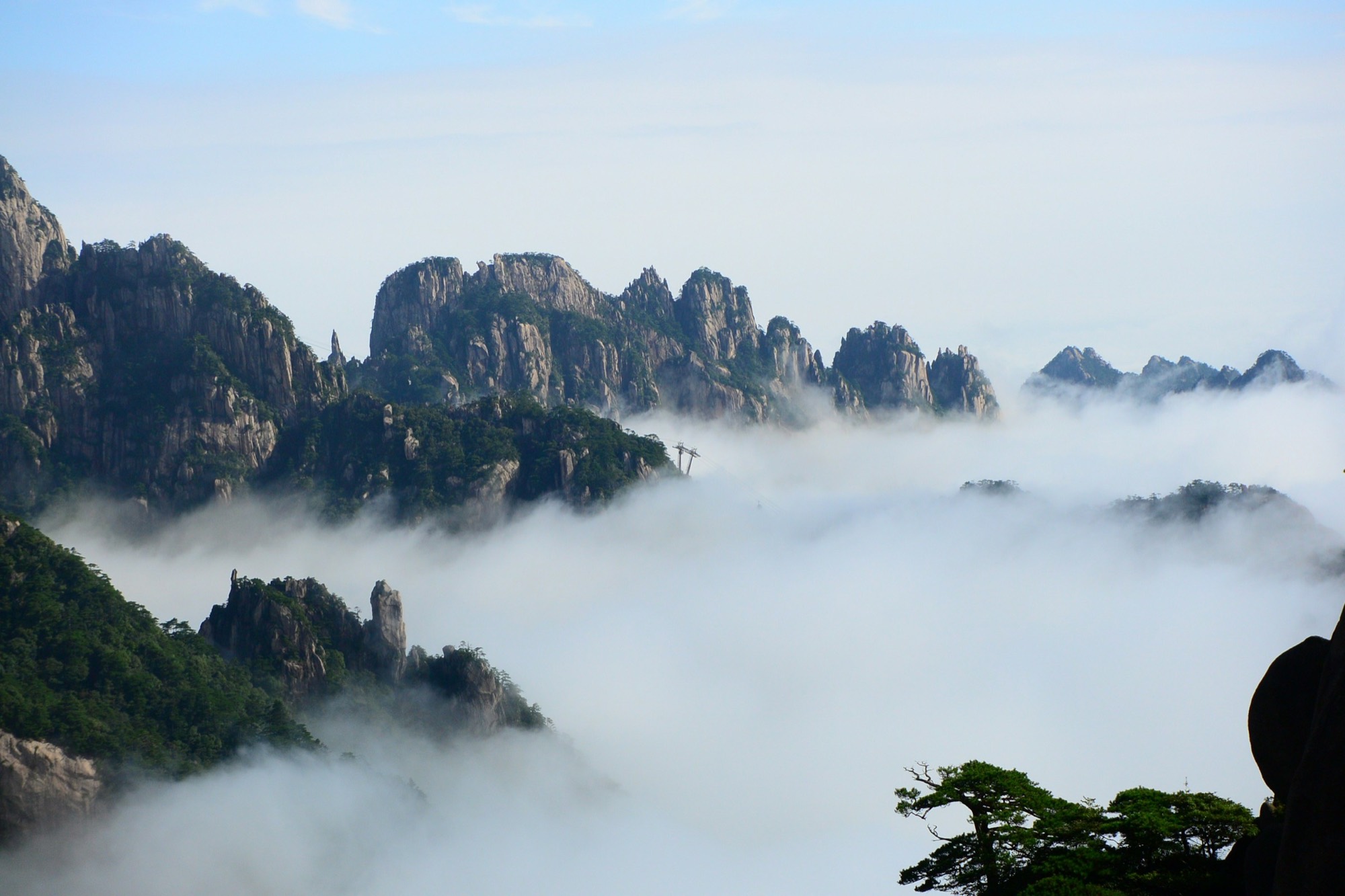
Anhui (Ānhuī) lies inland from Shanghai, beyond Jiangsu and Zhejiang, between the Yangtze delta and the plains of central China. Its name joins the first characters of two old prefectures, Anqing 安庆 (Ānqìng) and Huizhou 徽州 (Huīzhōu), and two great rivers, the Huai and the Yangtze, cut across it from west to east.
Those rivers divide it into three different worlds: the wheat plains of the north, the lakes and rice fields of the middle, and the green mountains of the south, where the Yellow Mountain rises above the clouds and the Huizhou merchants built villages of white walls and black tiles that look as if they have stepped out of an ink painting.
A brief history of Anhui
People were carving fine jade in Anhui more than five thousand years ago, at the Neolithic site of Lingjiatan near the Yangtze. In the Warring States period the region belonged to the great southern kingdom of Chu 楚 (Chǔ), whose last capital was at Shouchun, today’s Shouxian, before Chu fell to Qin in 223 BC.
Anhui’s place between north and south made it a battlefield. In 215 the general Zhang Liao held Hefei against Sun Quan, and in 383, at the Battle of the Fei River 淝水之战 (Féishuǐ zhī zhàn) near Shouxian, a small southern army defeated a vast northern one, and the battle gave Chinese two idioms still used every day.
In the fourteenth century a poor orphan from Fengyang, Zhu Yuanzhang, rose through the rebellions that ended Mongol rule and founded the Ming dynasty in 1368. Under the Ming and Qing, the Huizhou merchants 徽商 (Huīshāng) of the southern mountains became some of the richest traders in China, dealing in salt, tea, timber and pawnbroking across the empire, and they poured their fortunes into the villages, ancestral halls and schools of home.
The province itself is younger than its towns. It was split from the old province of Jiangnan in the early Qing, and its name, taken from Anqing and Huizhou, was fixed in 1667.
The Anhui dialects and Standard Mandarin
Anhui is a patchwork. The north speaks Central Plains Mandarin 中原官话 (Zhōngyuán guānhuà), like neighbouring Henan, while the middle of the province, including Hefei and Anqing, speaks Jianghuai Mandarin 江淮官话 (Jiānghuái guānhuà), the Mandarin of the land between the Yangtze and the Huai. Both are forms of Mandarin, so learners can follow them with practice. Jianghuai speech is clipped and quick, and keeps a short “checked” tone that Standard Mandarin lost centuries ago.
The south is different again. Around Huangshan people speak the Hui dialects 徽语 (Huīyǔ), so varied that villages in neighbouring valleys can struggle to understand each other, and the south-east and south-west have pockets of Wu and Gan. Huizhou people still quote an old saying about the merchants who left home young: 前世不修,生在徽州,十三四岁,往外一丢 (qiánshì bù xiū, shēng zài Huīzhōu, shísān sì suì, wǎng wài yì diū), “bad luck in a past life, born in Huizhou; at thirteen or fourteen, sent out into the world”.
Here are six Hefei words you will hear around the city. The audio plays the Standard Mandarin reading of each; a local speaker will sound quite different, and some of these words are written in more than one way.
Phrases worth knowing in Anhui
Standard Mandarin, but pitched at this province — things you might actually say on the Yellow Mountain, in a Huizhou village or at a dinner table in Tunxi.
Anhui cooking: mountain food and Hui cuisine
Hui cuisine 徽菜 (Huī cài) is one of the Eight Great Cuisines of China. It comes from the southern mountains, and it tastes of them: bamboo shoots, wild mushrooms, cured ham, river fish and tofu, braised and stewed slowly with plenty of oil and soy for a deep colour. The Huizhou merchants carried it with them to Hangzhou, Yangzhou and beyond. In the north the food is wheat-based and hearty, with beef soups, flatbreads and braised chicken.
Notable cities of Anhui
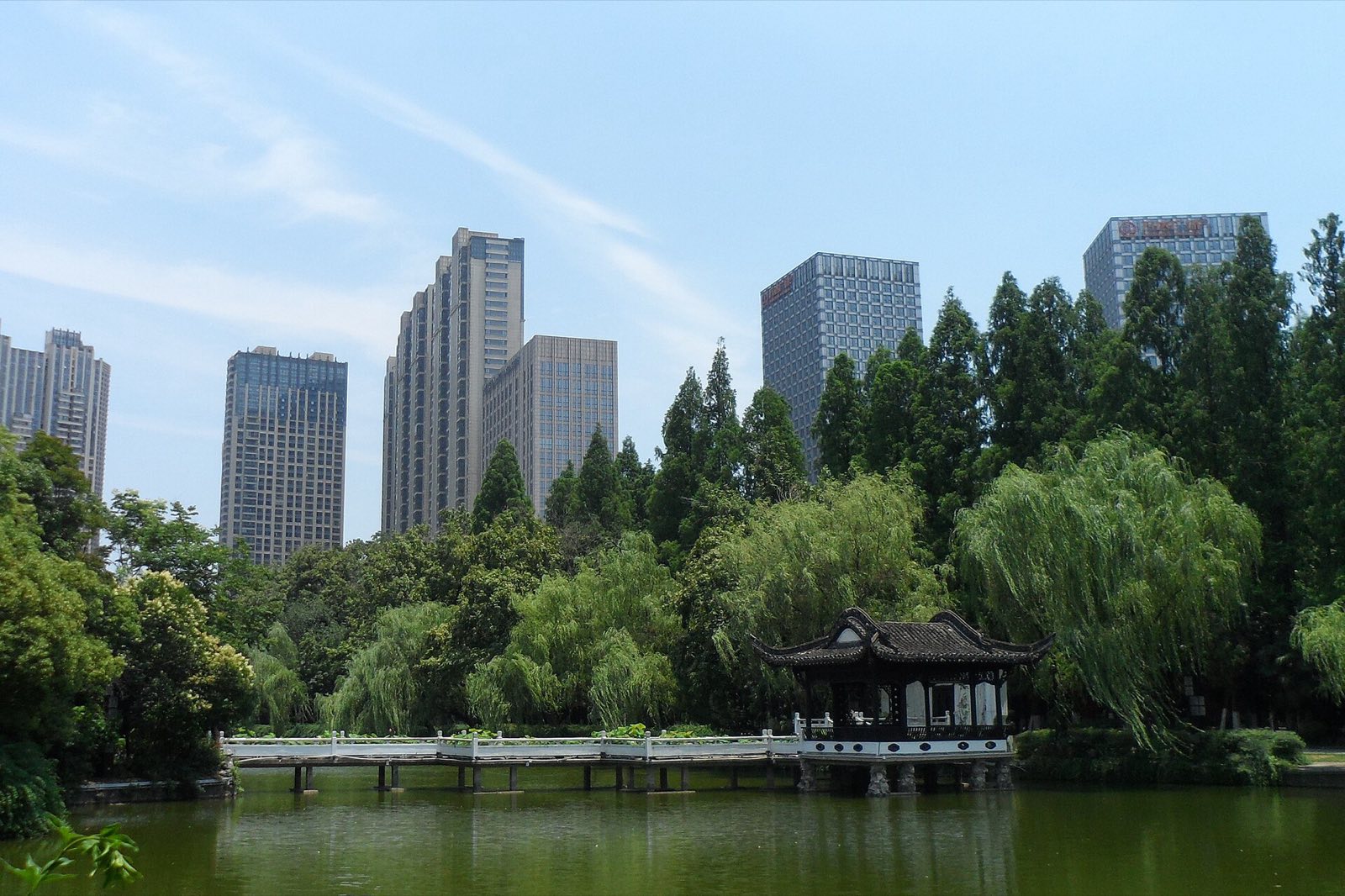
Hefei 合肥
Hefei is the home town of Bao Zheng, the incorruptible Song-dynasty judge known to every Chinese television viewer as Lord Bao 包公 (Bāo Gōng), and his memorial park sits by the old city moat. Xiaoyaojin Park 逍遥津 (Xiāoyáojīn) marks the ford where, in 215, Cao Cao’s general Zhang Liao routed Sun Quan’s much larger army, one of the most famous episodes of the Three Kingdoms period.
Today it is a fast-growing science city. The University of Science and Technology of China has been here since 1970, and Hefei has become one of the country’s centres for electric cars, flat screens and voice technology. Chaohu Lake, one of China’s five great freshwater lakes, lies just south-east of the city centre.
Don’t miss: Lord Bao’s memorial park, Xiaoyaojin Park, the Anhui Museum, and an evening by Chaohu Lake.
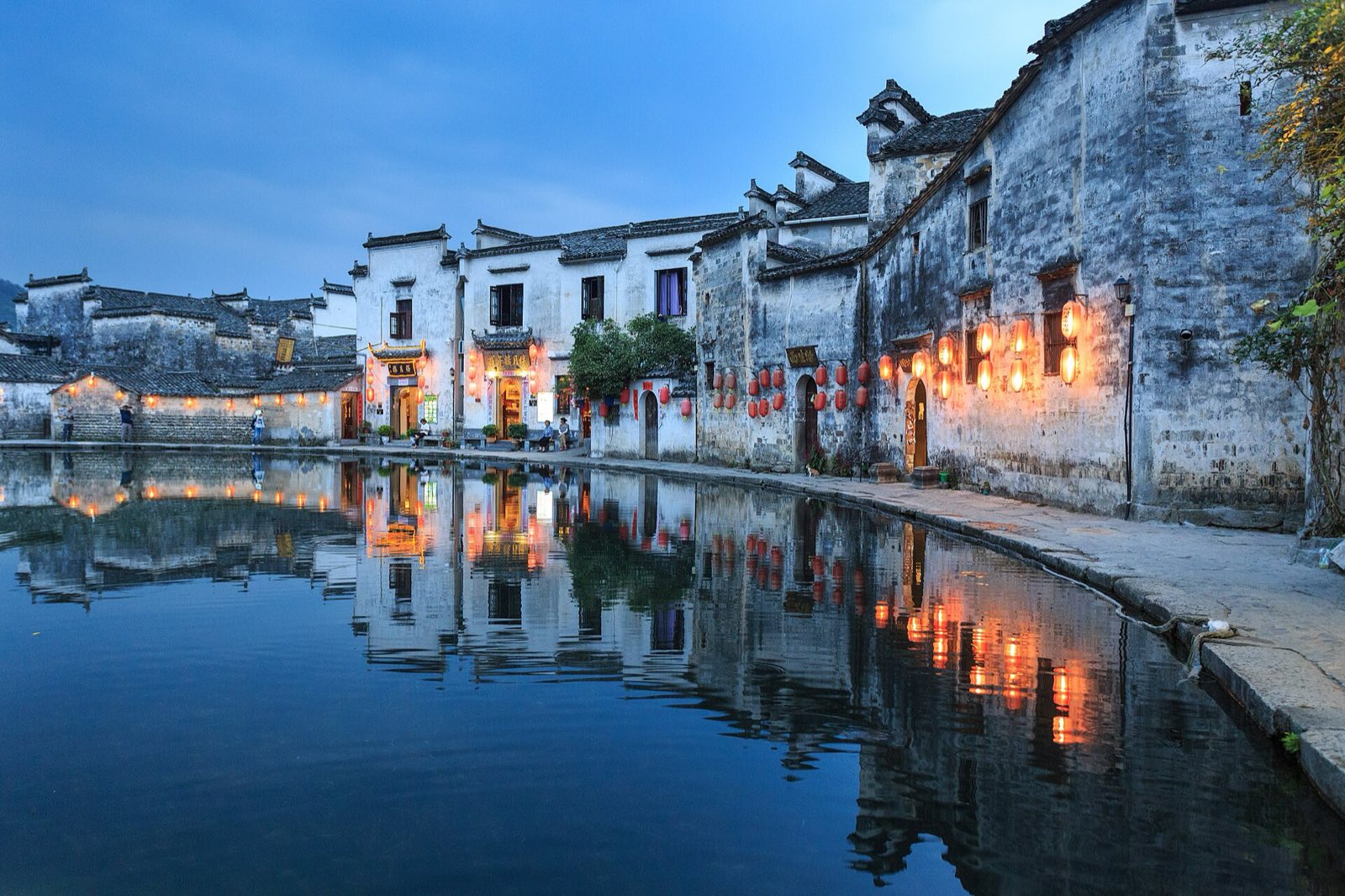
Huangshan 黄山
Until 1987 this was Huizhou 徽州 (Huīzhōu), the old prefecture whose merchants grew rich on salt, tea and timber in the Ming and Qing dynasties and spent their money on the white-walled, black-tiled houses, ancestral halls and memorial arches you still see across the region. The city was renamed after the mountain an hour to its north.
The modern centre is Tunxi, where Tunxi Old Street is lined with Ming and Qing shopfronts selling tea, ink and inkstones. It is the natural base for the mountain, for the villages of Xidi and Hongcun, and for the old county town of Shexian.
Don’t miss: Tunxi Old Street in the evening, the old town of Shexian, and Hongcun’s Moon Pond early in the morning.
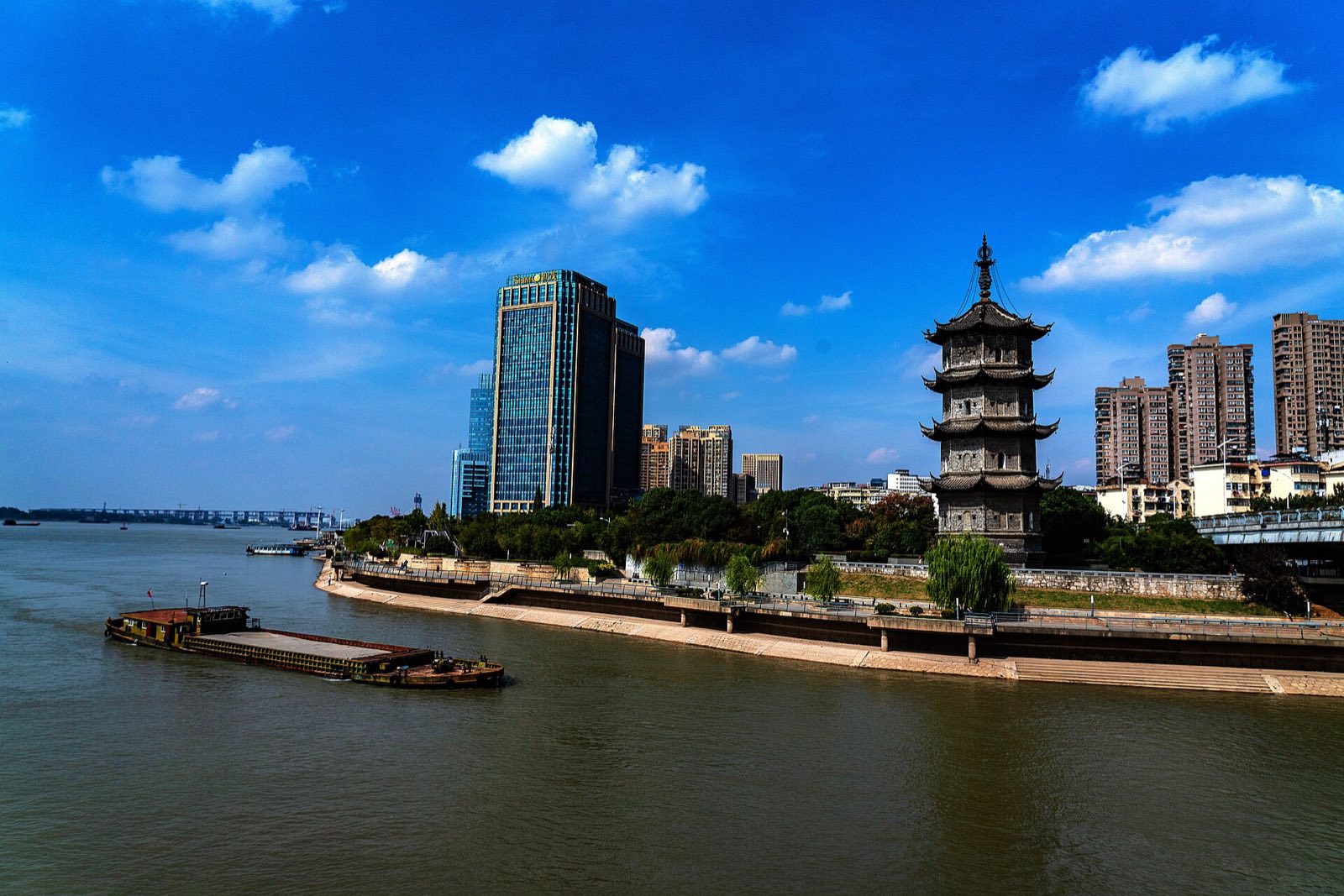
Wuhu 芜湖
Wuhu sits on the south bank of the Yangtze where the Qingyi River comes in, and for centuries it was one of the great rice markets of the lower Yangtze. It is also known for iron pictures, landscapes and flowers forged from wrought iron, a craft that began here in the Qing dynasty.
Modern Wuhu builds cars: Chery, one of China’s largest car makers, was founded here in 1997. The riverfront, where the Zhongjiang Pagoda marks the mouth of the Qingyi River, and Zheshan Park, on a small hill in the middle of town, are the places to walk.
Don’t miss: the Zhongjiang Pagoda and the Yangtze riverfront, Zheshan Park, and Wuhu’s iron pictures.
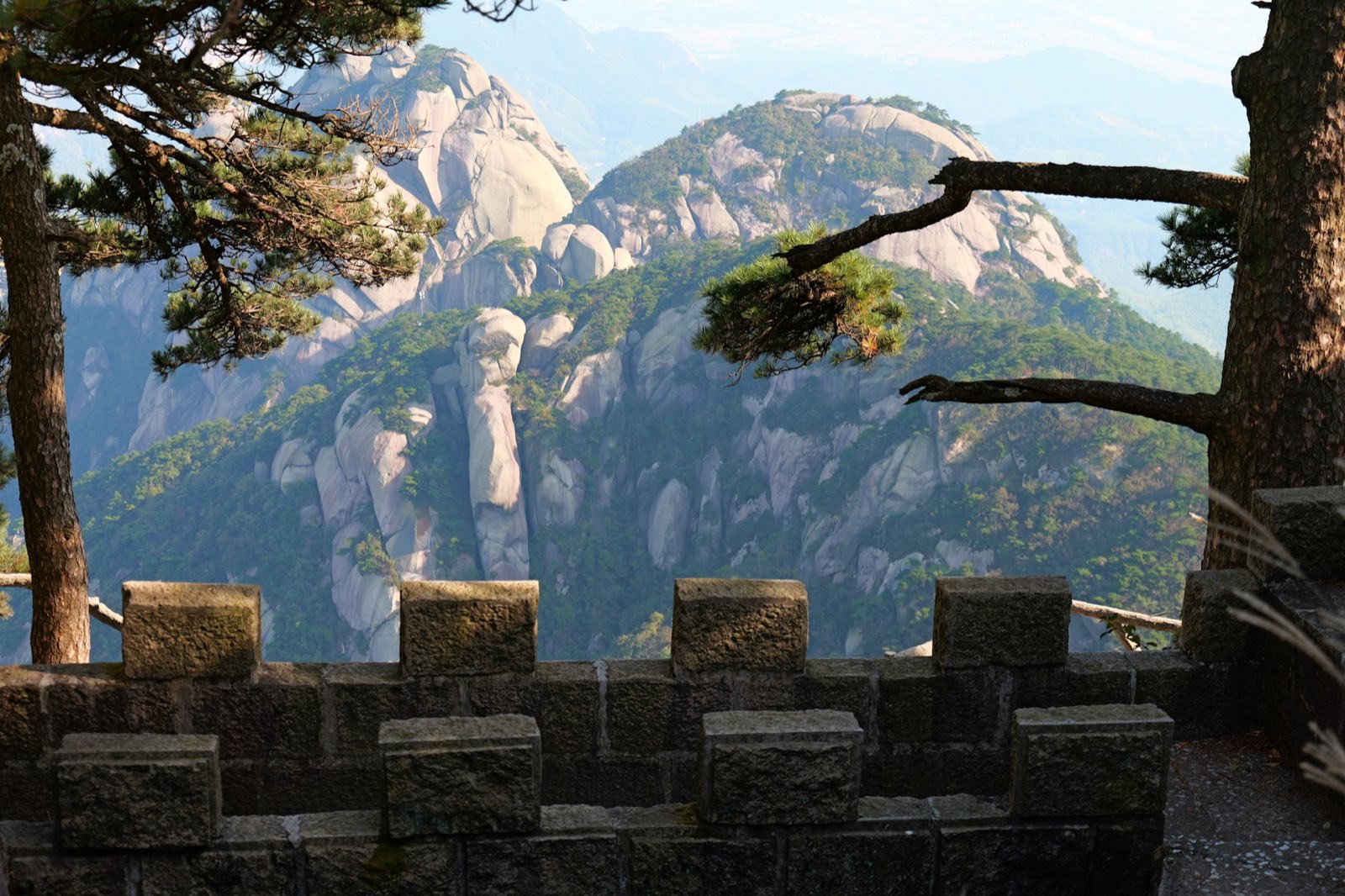
Anqing 安庆
Anqing gave Anhui the first half of its name, and for much of the Qing dynasty it was the provincial capital. The Zhenfeng Pagoda 振风塔 (Zhènfēng Tǎ), built in 1570 at Yingjiang Temple, has watched over ships on the Yangtze ever since.
This is the home of Huangmei opera 黄梅戏 (Huángméixì), a light, tuneful folk opera that took shape in the Anqing region in the late Qing, from tea-picking songs that came over from Huangmei county in neighbouring Hubei. It is now one of the best loved in China. Nearby Tongcheng gave its name to the most influential school of prose writing of the Qing dynasty.
Don’t miss: the Zhenfeng Pagoda, an evening of Huangmei opera, and Tianzhu Mountain to the west.
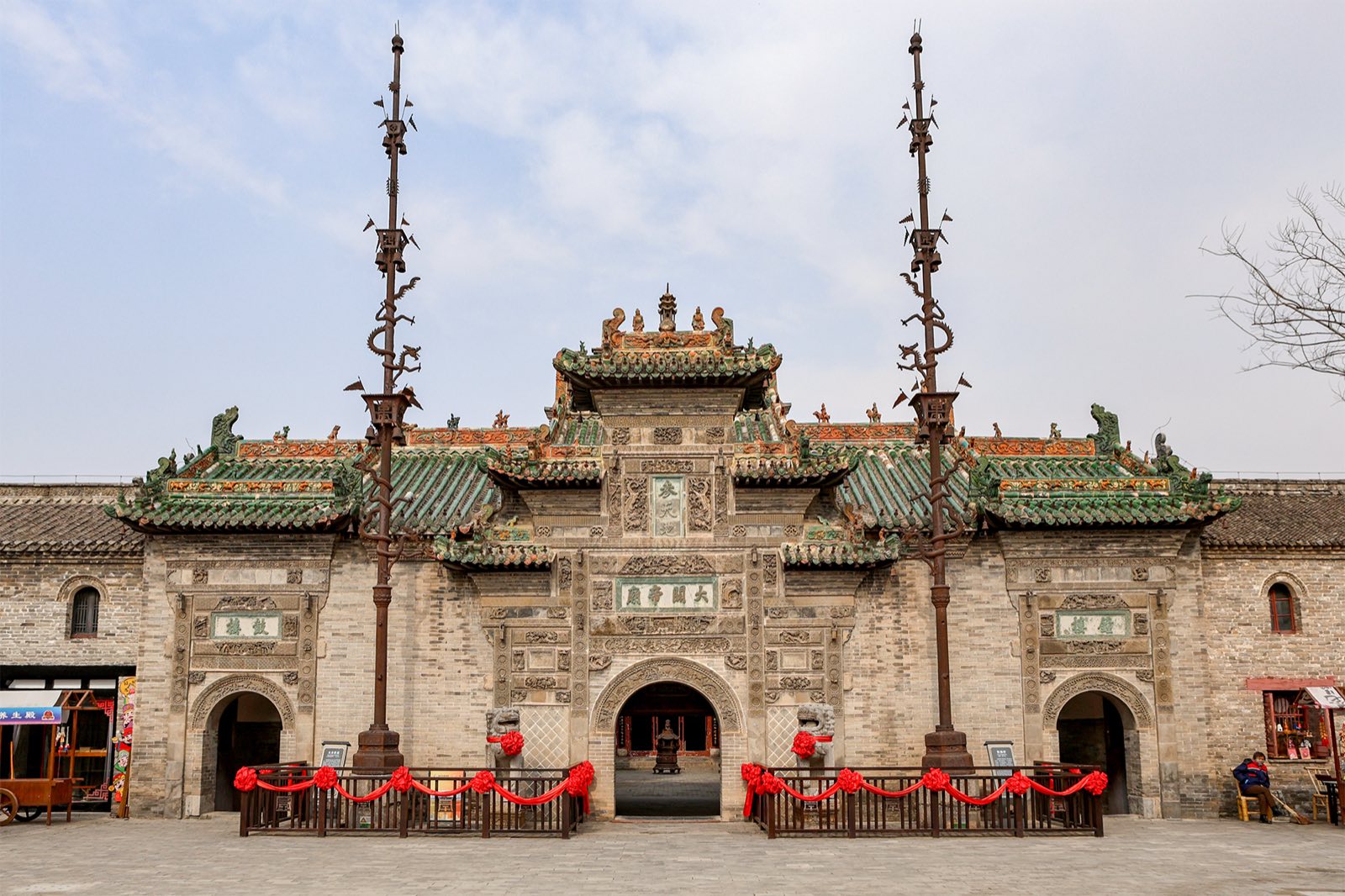
Bozhou 亳州
Bozhou, on the plains of the far north, was the home town of two famous men of the late Han: the warlord and poet Cao Cao, and Hua Tuo, the most celebrated doctor in Chinese history and legend. A network of brick tunnels under the old town is traditionally said to have been built for Cao Cao’s troops.
Fittingly, it is one of China’s great centres of traditional medicine, with one of the largest herbal markets in the country. Its finest building is the Huaxi Lou 花戏楼 (Huāxì Lóu), a guild hall founded by Shanxi and Shaanxi herb merchants in 1656 and enlarged over the following century, its opera stage covered in intricate carving in brick and wood.
Don’t miss: the Huaxi Lou, the herbal medicine market, and the old tunnels under the city.
Iconic attractions across Anhui
Huangshan (Yellow Mountain) 黄山
Granite peaks, twisted pines and a sea of clouds that has inspired Chinese painters and poets for more than a thousand years. The mountain was renamed in 747 in honour of the Yellow Emperor, who legend says refined elixirs of immortality here, and its highest point, Lotus Peak, reaches 1,864 metres. Mount Huangshan has been a UNESCO World Heritage Site since 1990.
Xidi and Hongcun 西递 · 宏村
Two villages of white walls, black tiles, carved wooden halls and quiet lanes, little changed since the Ming and Qing. Hongcun is threaded with water channels feeding its Moon Pond and South Lake, and appeared in the film Crouching Tiger, Hidden Dragon. Ancient Villages in Southern Anhui was listed by UNESCO in 2000.
Jiuhua Mountain 九华山
One of the four sacred mountains of Chinese Buddhism, dedicated to the bodhisattva Ksitigarbha. Its story begins with a monk who came from the Korean kingdom of Silla in the eighth century, and today its peaks, traditionally counted as ninety-nine, are dotted with temples and monasteries.
Tangyue Memorial Archways 棠樾牌坊群
Seven stone memorial arches standing in a gentle arc across the fields outside Shexian, three from the Ming dynasty and four from the Qing. Each honours members of the Bao clan for loyalty, filial piety, a widow’s chastity or charity, and together they are among the best-known groups of such arches in China.
Tianzhu Mountain 天柱山
A granite mountain near Anqing whose highest peak rises to about 1,490 metres. The emperor Wu of Han honoured it as the “Southern Sacred Peak” in 106 BC, a title later passed to Hengshan in Hunan, and its other name, 皖山 (Wǎn Shān), is traditionally linked with the ancient state of Wan, the source of Anhui’s abbreviation.
Qiyun Mountain 齐云山
A mountain of red sandstone cliffs near Xiuning, one of the four sacred mountains of Taoism, with temples and inscriptions carved into the rock face. Quieter than Huangshan, and a short drive from Tunxi.
Famous figures from Anhui
Guan Zhong 管仲
Traditionally said to have been born at Yingshang on the Huai River, he served as chief minister of the state of Qi and became a model for the wise adviser in Chinese history.
Cao Cao 曹操
Born in Qiao, today’s Bozhou, he united northern China at the end of the Han dynasty. He is the great villain of the Romance of the Three Kingdoms, and also a fine poet.
Hua Tuo 华佗
Also from Bozhou, he is said to have operated under an anaesthetic of his own invention and to have created the 五禽戏 (wǔqínxì), the “Five Animals” exercises still practised today.
Bao Zheng 包拯
Born in Hefei, the Song official remembered as Lord Bao, the fearless and incorruptible judge of countless operas and television dramas.
Zhu Yuanzhang 朱元璋
Born into a poor farming family in what is now Fengyang, he rose from orphan and wandering monk to found the Ming dynasty in 1368 as the Hongwu Emperor.
Wu Jingzi 吴敬梓
Born in Quanjiao, he wrote 儒林外史 (Rúlín wàishǐ), The Scholars, a sharp and funny satire of the imperial examination system and one of the classic Chinese novels.
Anhui’s modern economy
Anhui’s economy was worth about ¥5.30 trillion in 2025. For a long time it was best known as a farming province of rice, wheat and tea, and as a source of workers for the factories of the Yangtze delta next door. Over the last twenty years that has changed quickly, led by Hefei, which now sits within easy reach of Shanghai, Nanjing and Hangzhou by high-speed rail.
The province has bet on science and manufacturing: the University of Science and Technology of China in Hefei, the voice-technology company iFlytek, makers of flat-panel displays, and one of the biggest clusters of electric-car makers in the country. In the south, the old trades of Huizhou — tea, ink, inkstones and paper — still thrive.
Cars
Chery in Wuhu, JAC and a growing group of electric-car makers in Hefei make Anhui one of China’s car-building heartlands.
Science city
Hefei’s universities and labs feed industries in displays, chips and speech recognition.
Tea
Huangshan Maofeng, Keemun black tea, Liu’an Guapian and Taiping Houkui are all from Anhui, and all among China’s most famous teas.
Paper and ink
Xuan paper from Jingxian, Hui ink and She inkstones are three of the “four treasures of the study” used by calligraphers and painters.
Why Anhui matters for Mandarin learners
Anhui is a good province for a learner to know, because so much of the language passes through it. Two of the best-known idioms in Chinese come from one battle here, at the Fei River in 383. Before the fighting, the northern ruler looked out from the city walls and took the grass and trees on the hills for enemy soldiers, 草木皆兵 (cǎomù jiē bīng); after his defeat, his fleeing troops took every gust of wind and cry of a crane, 风声鹤唳 (fēngshēng hèlì), for the enemy at their heels. Lord Bao, Cao Cao and Hua Tuo appear in films, dramas and everyday sayings, and Huangmei opera songs are sung far beyond the province.
It is also the home of the materials of Chinese writing itself. Xuan paper, Hui ink and She inkstones have been made in the southern hills for more than a thousand years, and a calligraphy class with Anhui brush, ink and paper is one of the most memorable ways to get to know the characters you are learning.
For the bigger picture, our Explore China map covers every province, and the guide to China’s provinces puts Anhui in context. If the idioms above have caught your interest, our timeline of the Chinese dynasties shows where the Jin, the Song and the Ming fit.
Visiting Anhui — practical notes
When to go. Spring (April and May) and autumn (September to November) are best. In March the rapeseed fields around the Huizhou villages turn bright yellow, and in winter Huangshan is often covered in rime and snow, which many photographers prefer. Avoid the national holidays, especially the first week of October, when the mountain paths are packed.
Getting there. Hefei Xinqiao International Airport has flights across China, and high-speed trains link Hefei with Shanghai in as little as two hours. For the south, Huangshan North station is about an hour and a half by high-speed train from Hangzhou, and Huangshan Tunxi airport is close to the old town.
The mountain. Cable cars run up Huangshan from several sides, but the classic way to see it is to stay a night in one of the hotels near the summit, so you are there for sunset, sunrise and the sea of clouds. Bring warm layers in every season.
Eat the province. Try stinky mandarin fish and hairy tofu in Tunxi or Shexian, buy a bag of Huangshan Maofeng tea, and in Hefei look for the summer crayfish stalls. Learn the word 过劲 (guòjìn) to tell the cook how good it was.
Test your Anhui knowledge
1. Where does the name Anhui come from?
2. What is Anhui’s one-character abbreviation?
3. Which idiom comes from the Battle of the Fei River?
4. Which dynasty was founded by Zhu Yuanzhang, born in Fengyang?
5. Which of these is NOT one of Huangshan’s traditional “four wonders”?
6. What is done to the fish in 臭鳜鱼 (chòu guìyú) before it is cooked?
FAQs
Photographs: Hero (Huangshan sea of clouds) by Sherry Xu, via Unsplash; Hefei (Lord Bao Park, Hefei) by 钉钉, CC BY-SA 4.0, via Wikimedia Commons; Huangshan (Hongcun Moon Pond) by Zhangzhugang, CC BY-SA 4.0, via Wikimedia Commons; Wuhu (Zhongjiang Pagoda, Wuhu) by Admornish, CC BY-SA 4.0, via Wikimedia Commons; Anqing (Mountains near Anqing) by Qiran LI, via Unsplash; Bozhou (Huaxi Lou, Bozhou) by Windmemories, CC BY-SA 4.0, via Wikimedia Commons.
Start your Mandarin journey
Want to learn the Standard Mandarin spoken across Anhui and the rest of China? Online 1-on-1 lessons with a native speaker.