HSK 3.0 Level 3 · Adjectives
难听 nántīng “unpleasant to hear” in Chinese
Traditional 難聽
What 难听 means
- unpleasant to hear
- (of words) offensive
- coarse
- vulgar
- offensive
More meanings from CC-CEDICT
- shameful
How to say 难听
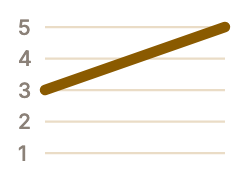 难nán2nd tone, rising
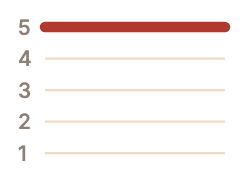 听tīng1st tone, high and level
难听 in a sentence
How 难听 is built
Each colour is one part of the character. Parts repeat across thousands of characters, so learning them makes new words easier. See all 214 in our radicals chart.
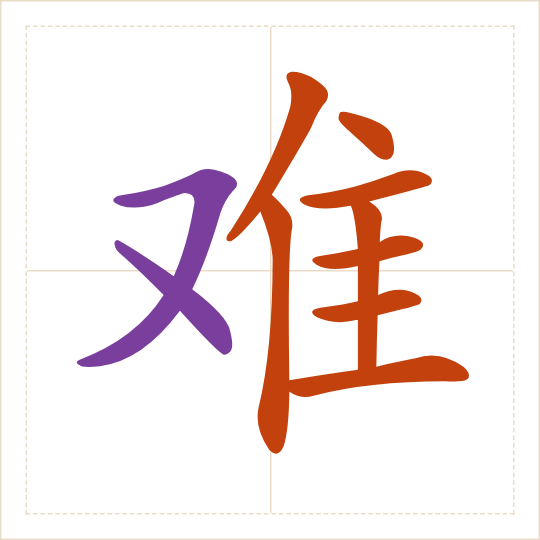
难nándifficult
- 又again · yòu
- 隹short-tailed bird · zhuī
Memory aidPicture a hand 又 trying to catch a bird 隹: difficult.
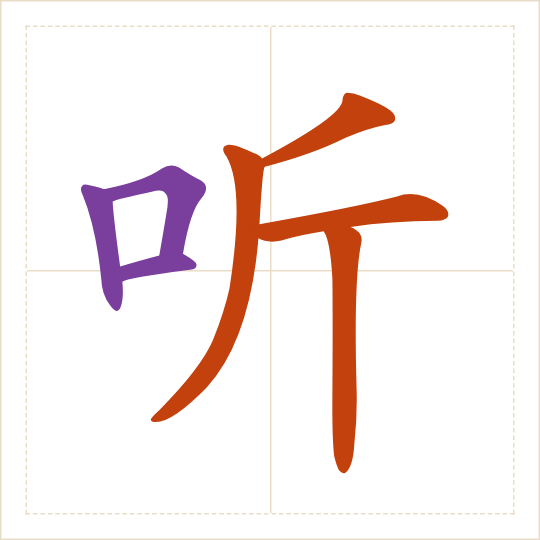
听tīngto listen to; to hear
- 口mouth · kǒu
- 斤axe · jīn
Memory aidMouth 口 with 斤 (jīn) for the sound. The full form 聽 has an ear 耳 in it: to listen.
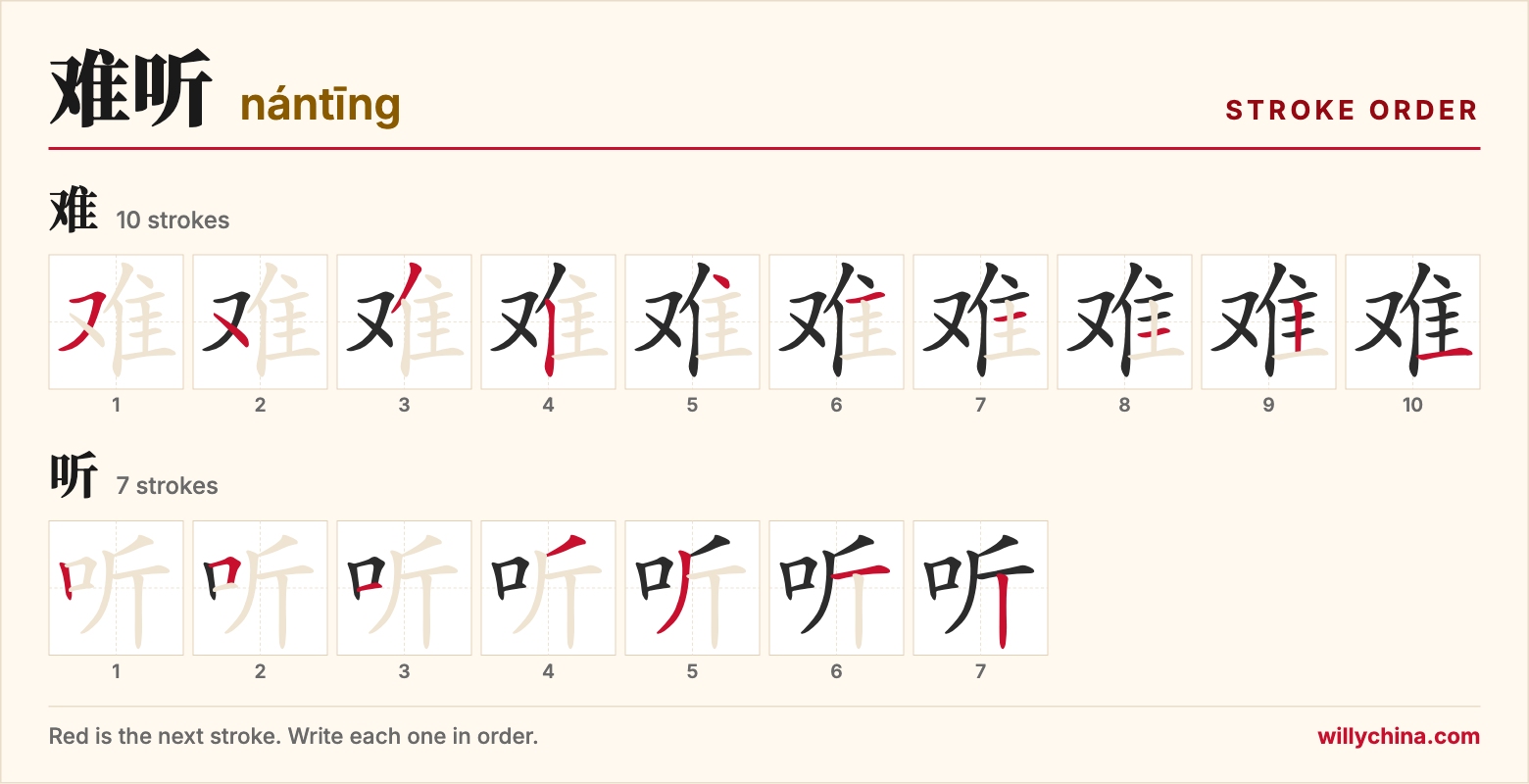
How to write 难听
难 10 strokes · 听 7 strokes
Watch the order, then press Try writing it and draw each stroke in the grid. Each stroke is checked as you go.
Words related to 难听
Words with 难
难nán · difficult难过nánguò · be grieved难题nántí · difficult problem难看nánkàn · ugly困难kùnnan · difficult难受nánshòu · to feel unwell难道nándào · don’t tell me …难免nánmiǎn · hard to avoid难怪nánguài · (it’s) no wonder (that…)艰难jiānnán · difficult
Words with 听
听tīng · to listen听见tīngjiàn · to hear好听hǎotīng · pleasant to hear听说tīngshuō · to hear (it said that)打听dǎting · to ask about倾听qīngtīng · to listen attentively
More words: Adjectives
FAQs
难听 (nántīng) means “unpleasant to hear” or “(of words) offensive”. It is an HSK 3.0 Level 3 word.
Say it nántīng: nán with a 2nd tone, then tīng with a 1st tone. Press Listen at the top of this page to hear it, or Slowly to hear each tone clearly.
In Traditional characters, used in Taiwan and Hong Kong, 难听 is written 難聽. The pronunciation is the same.
Add a Chinese (Simplified) pinyin keyboard to your phone or computer, type nanting with no tone marks or spaces, then choose 难听 from the suggestions. Typing nanting into this dictionary’s search box finds it too.
难听 is an HSK 3.0 Level 3 word in the official 2021 syllabus, and it is on our HSK 3.0 Band 5 word list. It is not on the older HSK 2.0 word lists.
Sources: meaning and pinyin checked by a native Mandarin teacher against the official HSK lists. Extra meanings from CC-CEDICT (CC BY-SA 4.0). Example sentences from Tatoeba (CC BY 2.0 FR). Character parts and stroke order from Make Me a Hanzi.