A Guide to Xinjiang (新疆): The Silk Road, Tianshan & Oasis Cities
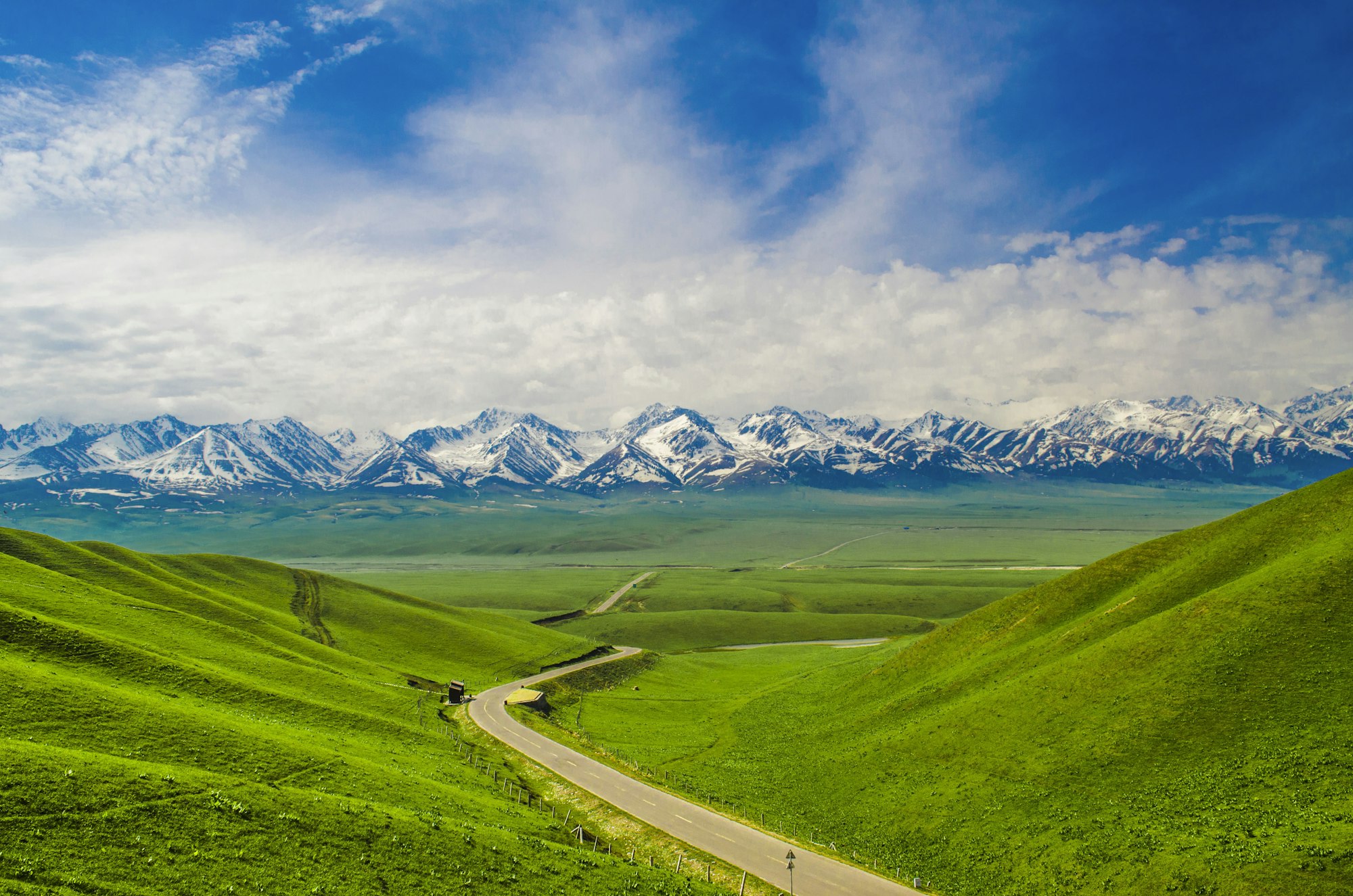
In China’s far north-west, beyond the deserts and the mountains, lies Xinjiang (新疆 Xīnjiāng) — the country’s largest region and its great gateway to Central Asia. It is a land of staggering scale and contrast: the snow-capped Tianshan dividing scorching desert basins from green northern grasslands, oasis towns strung along the ancient Silk Road, and sand seas and alpine lakes within the same borders.
For Mandarin learners, Xinjiang is a journey where the language does real work: standard Mandarin is the practical lingua franca for transport, hotels and markets right across the region, while the Turkic Uyghur language — with its own script and literary heritage — adds a fascinating second layer. This guide covers the Silk Road history, the languages, the famous food, four cities worth your time, and what to know before you go.
A brief history of Xinjiang
Xinjiang’s story is the story of the Silk Road. For two thousand years the oasis towns ringing the Tarim Basin — Kashgar, Khotan, Kucha, Turpan — were the staging posts where caravans crossed between China and the markets of Central Asia, Persia and Rome. The Han-dynasty envoy Zhang Qian opened the route to these “Western Regions” in the 2nd century BCE, and the general Ban Chao later secured it, weaving the basin’s oasis kingdoms into the world’s first great trade network.
Along that road travelled not just silk and jade but ideas. Buddhism flowed east through the oasis kingdoms, leaving the painted cave-temples of Kizil and Bezeklik and the ruined monasteries of Gaochang — and producing the great translator Kumārajīva of Kucha. Later, Islam arrived along the same trade routes, and the Karakhanid court at Kashgar became a celebrated centre of Turkic scholarship. The Tang pilgrim Xuanzang passed through these oases on his way to India, recording the kingdoms he found.
The desert preserved it all. Wind-scoured cities like Jiaohe and Gaochang, mummies thousands of years old, and manuscripts in a dozen lost languages make Xinjiang one of the world’s great archaeological treasure-houses. The ingenious Karez wells — underground channels carrying mountain snowmelt to the oases — still water Turpan’s vineyards today, a living link to that ancient world.
The Uyghur language
The Uyghur language is not related to Chinese: it belongs to the Turkic family, a cousin of Uzbek, Kazakh and Turkish rather than of Mandarin. It is written today in an Arabic-derived script that flows from right to left, seen on shopfronts and street signs across the south of the region.
Uyghur carries a deep literary heritage. The 11th-century scholar Mahmud al-Kashgari compiled the first great dictionary of the Turkic languages here, and the classic poem Kutadgu Bilig was written at the Karakhanid court of Kashgar — cornerstones of Turkic literature. The region’s celebrated Twelve Muqam, a vast cycle of sung poetry and music, is recognised by UNESCO as a masterpiece of intangible cultural heritage.
For visitors and learners the practical picture is straightforward: standard Mandarin is widely spoken across Xinjiang — in schools, on the railways, in shops and tour offices — and is the everyday language travellers will use. Learning even a few words of Uyghur, like the cheerful yaxshi (“good”), is a warm way to connect.
Six Xinjiang words worth knowing
Xinjiang’s main indigenous language is Uyghur, a Turkic language written in a Perso-Arabic script rather than a dialect of Chinese. The local Han Mandarin you’ll hear belongs to the Northwest (Lanyin) Mandarin family and is peppered with Uyghur loanwords, giving it a flavour all its own. Tap 🔊 for the Standard Mandarin reading of the characters — a handy starting point even though many of these words trace back to Uyghur.
Phrases worth knowing in Xinjiang
Six phrases for the road — mostly Mandarin, with one Uyghur word every visitor enjoys. Tap 🔊 for native audio.
Food of Xinjiang
Xinjiang has one of the most beloved regional cuisines in all of China — so popular that its restaurants are found in every Chinese city. Built around lamb, wheat and fruit, it’s hearty, fragrant with cumin and chilli, and made for sharing.
At its heart are the smoky lamb kebabs sold on every street, chewy hand-pulled laghman noodles, fragrant pilaf rice, and the round, crusty naan that is the region’s daily bread. Around them sit “big plate chicken”, rich noodle soups, and a riot of famous fruit — Turpan grapes, raisins by the sackful and impossibly sweet Hami melons. Eat with your hands, and come hungry.
Say the menu
Tap 🔊 to hear each dish in Mandarin:
Notable cities of Xinjiang
Xinjiang’s cities are oases and crossroads, each with its own landscape and character — from the most inland city on Earth to the great Silk Road bazaar of the west. Five very different places worth your time:
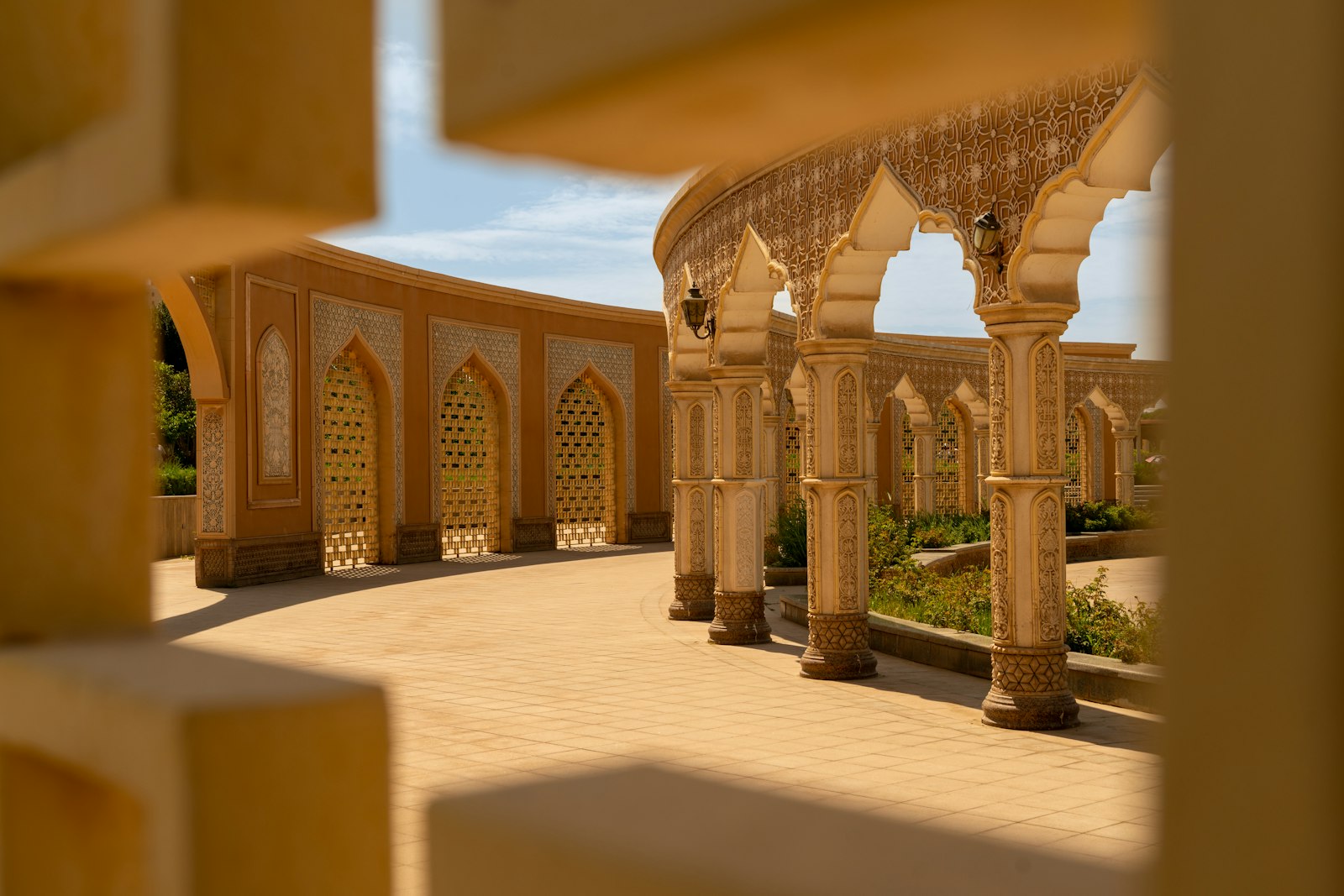
Ürümqi乌鲁木齐
The regional capital is the great gateway to the north-west — and, at over 2,500km from the nearest coastline, the most inland major city on Earth. Ringed by the Tianshan, it’s a modern crossroads where the foods, carpets and crafts of Central Asia meet at the lively International Grand Bazaar.
For most travellers Ürümqi is the hub: nearly every flight and railway into the region passes through, and it’s the natural base for a day trip up to the alpine Heavenly Lake beneath Bogda Peak.
Deep-dive guide coming soon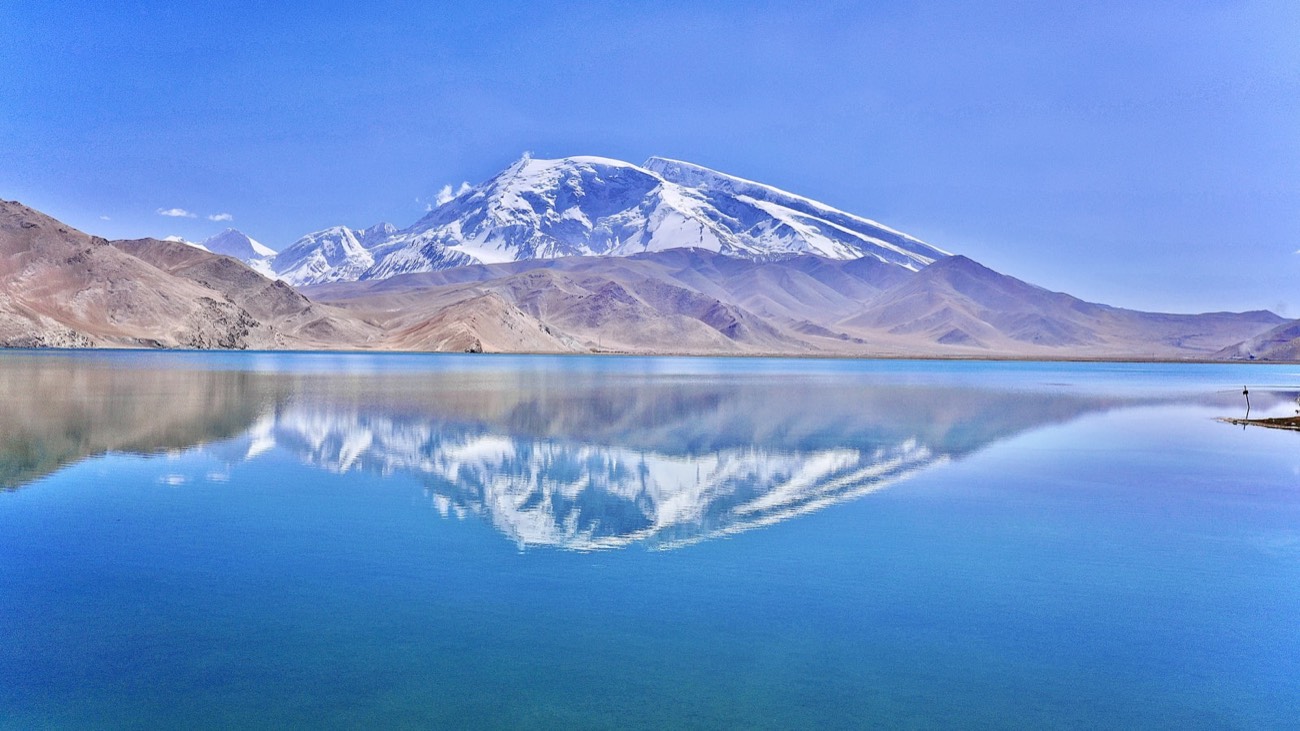
Kashgar喀什
Kashgar has been the great western anchor of the Silk Road for two millennia — geographically closer to Baghdad than to Beijing. Its Old Town is a warren of earthen alleys, craft workshops and teahouses around the Id Kah square, and its famous Sunday bazaar still draws traders from across the region.
This is the most Central Asian-feeling city in China, and the launch point for journeys into the high Pamirs and along the Karakoram Highway toward Pakistan.
Deep-dive guide coming soon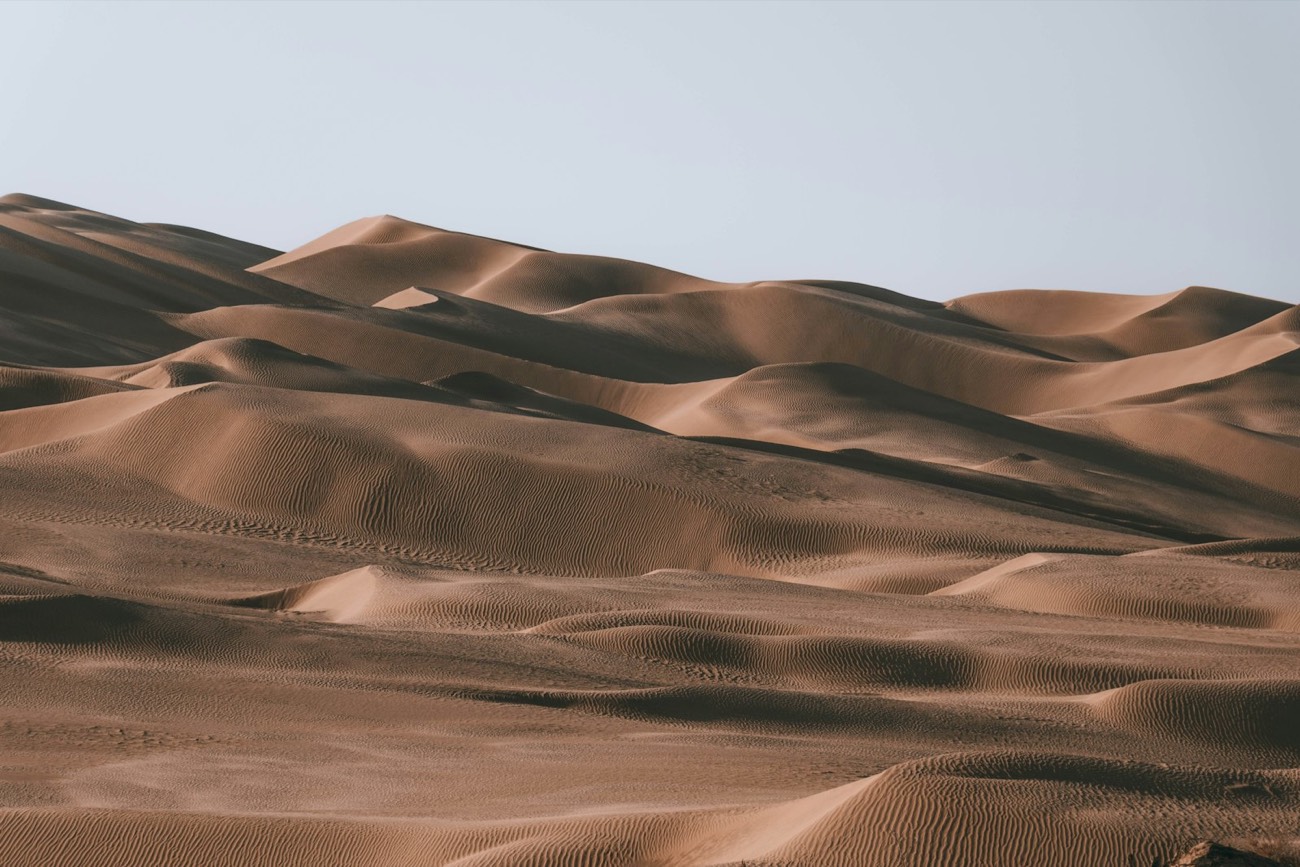
Turpan吐鲁番
Turpan sits in a desert basin that dips to 154m below sea level — the lowest point in China and one of its hottest places. Yet it is a lush green oasis, famous above all for its grapes and raisins, watered for centuries by the ingenious underground Karez channels.
Around the town lie the wind-carved Silk Road cities of Jiaohe and Gaochang, the painted Buddhist caves of Bezeklik, and the red ridges of the Flaming Mountains of legend.
Deep-dive guide coming soon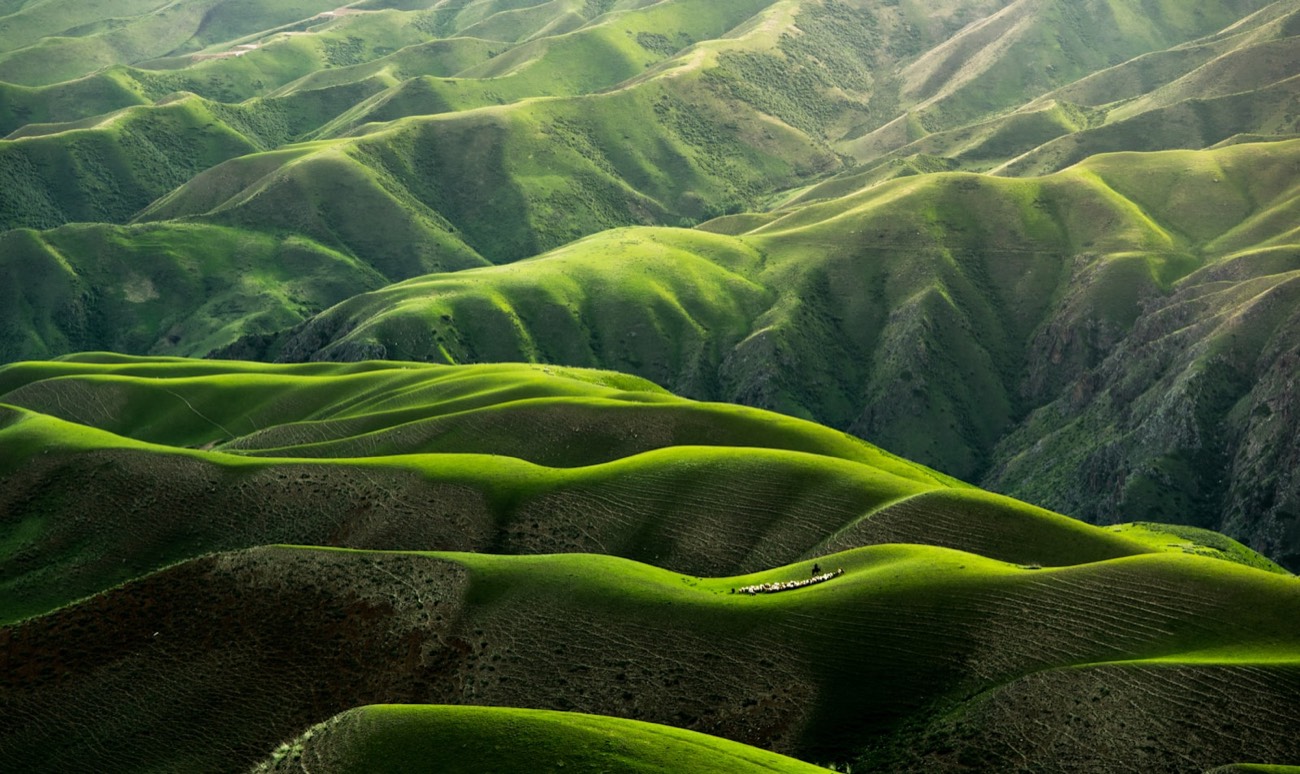
Yining伊宁
Far from the deserts of the south, Yining sits in the lush Ili valley near the Kazakh border — a green world of grasslands, rivers and tree-lined streets with a distinctly Central Asian feel. In early summer the surrounding fields turn purple with lavender, grown here on a scale to rival Provence.
Nearby, the vast alpine blue of Sayram Lake and the flower-strewn meadows of the Tianshan make this the green, pastoral counterpoint to the desert south.
Deep-dive guide coming soon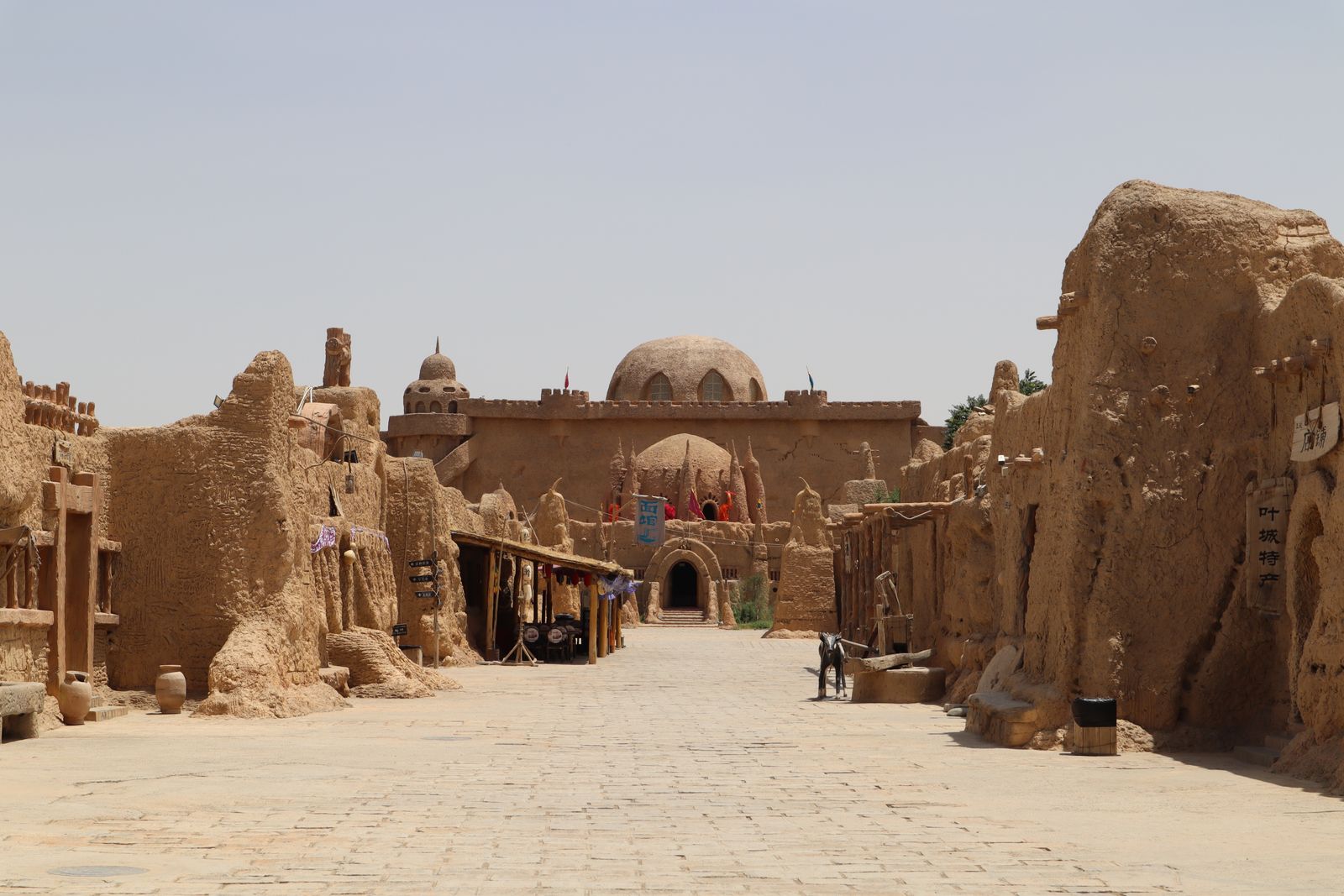
Hotan和田
An oasis on the southern rim of the Taklamakan, Hotan has traded white jade, silk and hand-knotted carpets along the Silk Road for two thousand years. Its riverbeds are still combed for jade, and its weekly grand bazaar is among the liveliest and most traditional in Xinjiang.
The surrounding mud-brick old towns and desert-poplar forests keep the timeless look of the road’s southern branch — a slower, dustier, deeply atmospheric corner of the region.
Deep-dive guide coming soonIconic attractions across Xinjiang
Six Xinjiang landmarks worth building a journey around — from a UNESCO-listed alpine lake to the ruined cities of the Silk Road:
Tianshan Heavenly Lake 天山天池
A jewel-like alpine lake of deep blue water cradled by spruce forest and snow peaks below 5,445m Bogda Peak, an easy trip from Ürümqi. It lies within the Xinjiang Tianshan UNESCO World Heritage Site, recognised for its extraordinary mountain landscapes.
Kashgar Old Town 喀什噶尔老城
A living Silk Road quarter of earthen houses, carved balconies and craft alleys around the Id Kah square — coppersmiths, pottery and teahouses much as travellers would have found them centuries ago. The most atmospheric old city in China’s far west.
Jiaohe Ruins 交河故城
Near Turpan, one of the world’s largest and best-preserved ancient earthen cities — a Silk Road garrison town carved from a clay bluff between two rivers, abandoned for centuries and beautifully intact. Part of the Silk Road World Heritage listing.
Kanas Lake 喀纳斯湖
Far north in the Altai mountains near the Mongolian and Kazakh borders, a curving turquoise lake ringed by forest that blazes gold and crimson each autumn. Among the most beautiful and remote landscapes in all of China.
Karakul Lake & the Pamirs 喀拉库勒湖
High on the Karakoram Highway south of Kashgar, a still mountain lake that mirrors the glaciers of 7,500m Muztagh Ata. One of the great road journeys on Earth, climbing from oasis desert into the roof of Asia.
Bayanbulak Grassland 巴音布鲁克
One of China’s largest alpine grasslands, ringed by snow peaks in the central Tianshan. Its S-shaped bends of the Kaidu River catch nine reflections of the setting sun, and in summer it becomes a swan reserve and a sea of wildflowers.
Famous figures of Xinjiang
Xinjiang’s story is told through scholars, translators and travellers — the figures of the Silk Road who carried learning and art between civilisations:
Kumārajīva (鸠摩罗什)
Born in the oasis kingdom of Kucha, he became one of history’s greatest translators of Buddhist scripture into Chinese — work that shaped East Asian Buddhism for centuries to come.
Ban Chao (班超)
The Han general and diplomat who spent three decades securing the Silk Road through the Western Regions, reopening the trade routes that made the Tarim Basin the crossroads of Asia.
Xuanzang (玄奘)
The Tang monk whose epic journey to India crossed Xinjiang’s oasis kingdoms. His detailed travel record is a priceless account of the Silk Road and inspired the classic novel Journey to the West.
Mahmud al-Kashgari (麻赫穆德·喀什噶里)
The Kashgar scholar who compiled the Dīwān Lughāt al-Turk, the first great dictionary and survey of the Turkic languages — a monument of medieval scholarship.
Amannisa Khan (阿曼尼莎汗)
The poet-queen remembered for helping gather and refine the Twelve Muqam, the great cycle of classical Uyghur music now honoured by UNESCO as world heritage.
Dilraba Dilmurat (迪丽热巴)
Born in Ürümqi, she is one of China’s most popular contemporary actresses and a household name nationwide — a modern face of the region on screens across the country.
Xinjiang’s economy & way of life
Life in Xinjiang has always turned on water and the seasons — on the snowmelt that feeds the oases, the long sunny days that ripen the fruit, and the trade routes that have crossed the region for millennia. Today its economy rests on three great pillars: farming, energy and a fast-growing tourism trade.
The orchard of China
Hot days and cool nights make Xinjiang’s fruit legendary: grapes and raisins from Turpan, sweet Hami melons, Korla pears and walnuts, dried and shipped to markets across the whole country.
Power of the north-west
The region holds vast reserves of oil and natural gas, while its sun-baked deserts and wind corridors have made it one of China’s biggest hubs for solar and wind power — energy carried east across the country.
The Silk Road revives
As China’s land bridge to Central Asia, Xinjiang is again a logistics gateway, with rail freight rolling west toward Europe — while its landscapes and Silk Road heritage draw a fast-growing tide of travellers.
The cotton fields of China
Xinjiang grows the great majority of China’s cotton — the long-staple crop of the Tarim and Junggar basins feeds a vast spinning and textile industry, sun-drenched and machine-picked across the oases.
Why Xinjiang matters for Mandarin learners
Mandarin is your practical travel language here. Across Xinjiang, standard Mandarin is the shared tongue of transport, hotels, restaurants and tour offices — so the Mandarin you’ve studied does real, daily work on one of China’s most adventurous journeys.
It’s a window onto a whole other language family. Seeing the Turkic Uyghur language — with its Arabic-derived script — alongside Chinese is a vivid reminder of how much linguistic richness sits within China’s borders, and how the Silk Road wove languages together.
The vocabulary of travel comes alive. Food, markets, prices, mountains, deserts, distances, weather — the high-frequency Mandarin you most need is in constant use, and a Silk Road journey is a memorable place to cement it.
Cultural respect goes a long way. Pairing your Mandarin with a few friendly words of Uyghur, and an open curiosity about the region’s food and crafts, makes for a richer and more welcome visit.
Visiting Xinjiang — practical notes
Getting there: Ürümqi’s Diwopu Airport is the regional hub, with flights from cities right across China, and the high-speed railway links it to Lanzhou and the national network. Within the region, distances are enormous — Xinjiang is roughly the size of Iran — so internal flights between Ürümqi, Kashgar and the north save days on the road.
Plan for the scale: Don’t try to combine the southern Silk Road (Turpan, Kashgar) and the far north (Kanas) in one short trip. A classic first journey is the southern loop — Ürümqi, Turpan and Kashgar — linked by air and rail.
When to come: Autumn (September–October) is glorious: the grape and melon harvest, blazing forest colour at Kanas and comfortable temperatures. Late spring and early summer bring lavender to the Ili valley. Turpan is ferociously hot at the height of summer, and the far north is very cold in deep winter.
The food alone is worth the trip: eat kebabs and laghman fresh off the grill, buy a warm naan from a street oven, and taste the grapes and melons at the source in Turpan — this is some of the best eating in China.
A week in Xinjiang: a few days on the southern Silk Road — Turpan’s oases and ruined cities, then Kashgar’s old town and Sunday bazaar — with an optional add-on to Heavenly Lake near Ürümqi, or, with more time, the long, beautiful haul north to Kanas.
Test your Xinjiang knowledge
1. Xinjiang is China’s largest region by:
2. The great mountain range that divides Xinjiang in two is the:
3. The desert oasis of Turpan is most famous for growing:
4. The ancient underground channels that water Turpan’s oases are called:
5. The chewy, hand-pulled Xinjiang noodle dish is called:
6. Xinjiang grows the majority of China’s:
Frequently asked questions
Start your Mandarin journey
Want to learn the Standard Mandarin spoken across Xinjiang and the rest of China? Online 1-on-1 lessons with a native speaker.