HSK 3 · Verbs
请假 qǐngjià “to ask for time off” in Chinese
Traditional 請假
What 请假 means
- to ask for time off
- to request leave of absence
How to say 请假
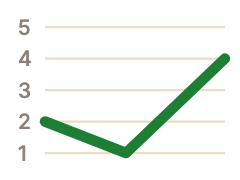 请qǐng3rd tone, dipping
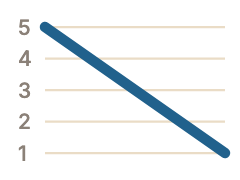 假jià4th tone, falling
请假 in a sentence
How 请假 is built
Each colour is one part of the character. Parts repeat across thousands of characters, so learning them makes new words easier. See all 214 in our radicals chart.
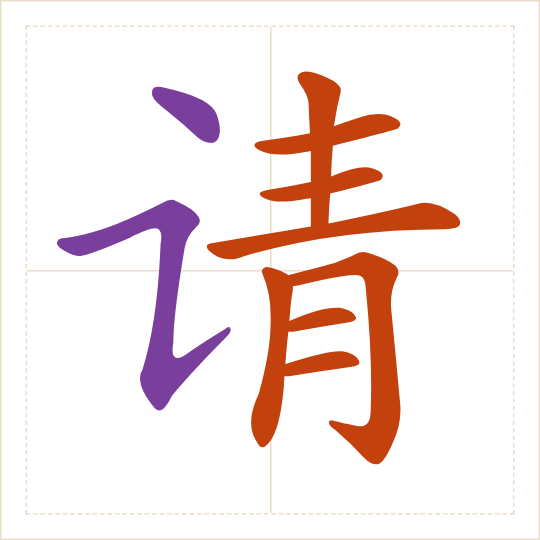
请qǐngto ask
- 讠speech form of 言 · yánMeaning part
- 青blue-green · qīngSound part
讠 hints at the meaning (speech); 青 (qīng) hints at the sound. Compare it with qǐng.
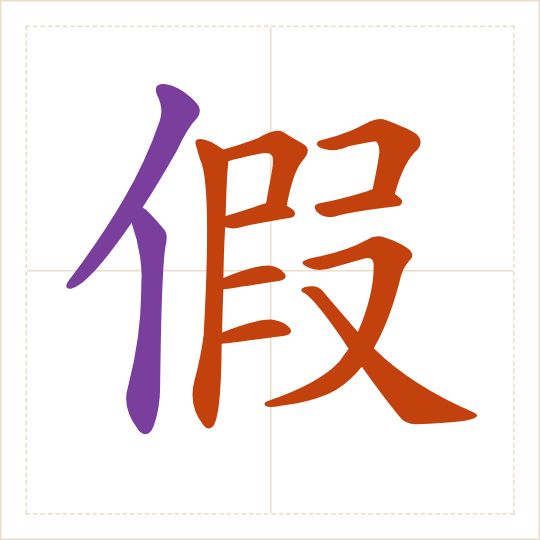
假jiàholiday
- 亻person form of 人 · rén
- 叚false
Memory aidPerson 亻 with 叚 (jiǎ) for the sound: false, fake. Read jià, it means a holiday.
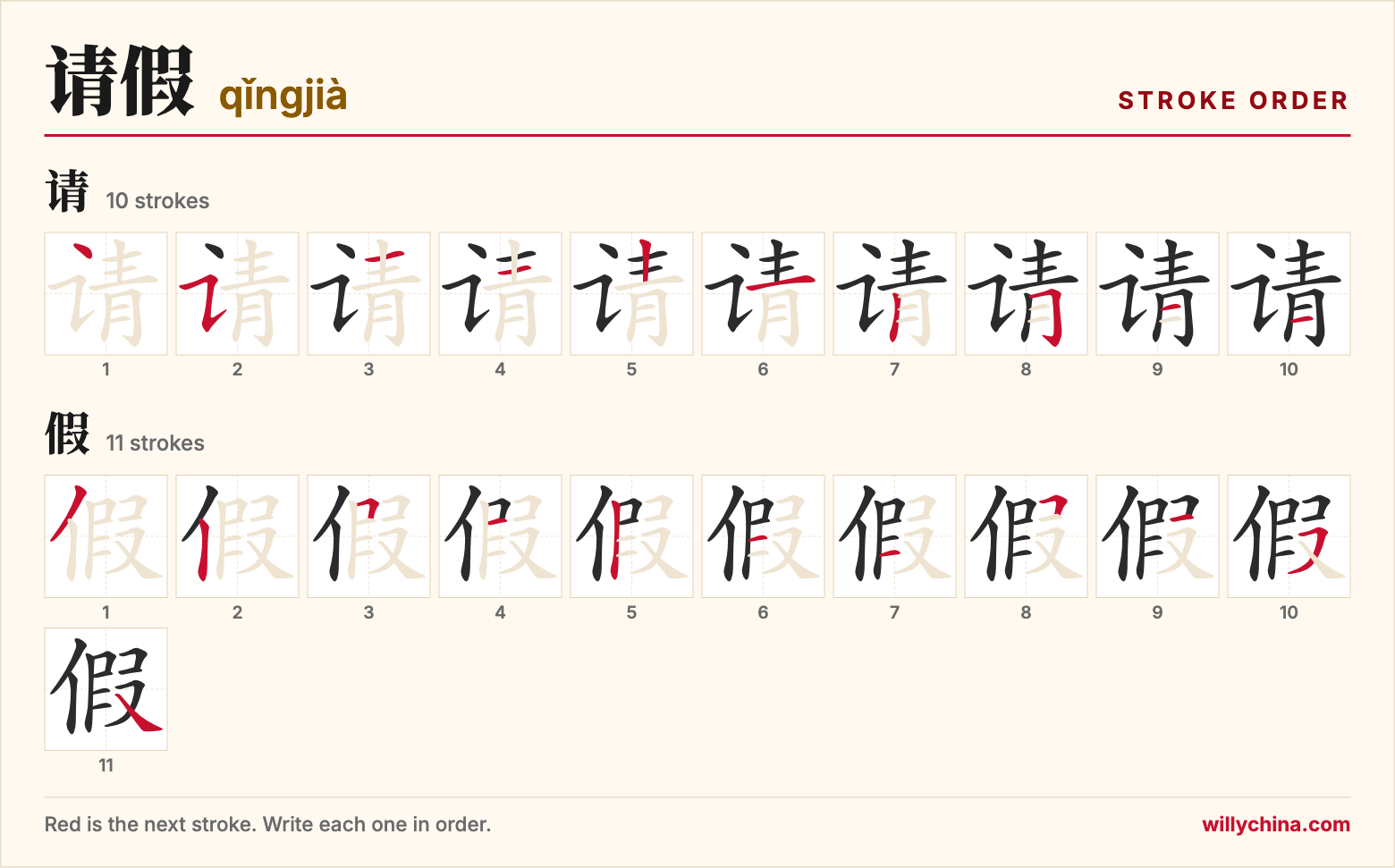
How to write 请假
请 10 strokes · 假 11 strokes
Watch the order, then press Try writing it and draw each stroke in the grid. Each stroke is checked as you go.
Words related to 请假
Words with 请
请qǐng · please请问qǐngwèn · Excuse me请客qǐngkè · to treat someone (to a meal)邀请yāoqǐng · to invite申请shēnqǐng · to apply (for)请求qǐngqiú · to request请教qǐngjiào · to ask for advice请示qǐngshì · to ask for instructions请柬qǐngjiǎn · invitation card请帖qǐngtiě · invitation card
Words with 假
假期jiàqī · holiday放假fàngjià · to have a holiday休假xiūjià · to take leave假jiǎ · false寒假hánjià · winter holidays放暑假fàngshǔjià · to be on summer holidays假装jiǎzhuāng · to feign假设jiǎshè · to suppose假如jiǎrú · if虚假xūjiǎ · false
More words: Common Verbs
FAQs
请假 (qǐngjià) means “to ask for time off” or “to request leave of absence”. It is an HSK 3 word.
Say it qǐngjià: qǐng with a 3rd tone, then jià with a 4th tone. Press Listen at the top of this page to hear it, or Slowly to hear each tone clearly.
In Traditional characters, used in Taiwan and Hong Kong, 请假 is written 請假. The pronunciation is the same.
Add a Chinese (Simplified) pinyin keyboard to your phone or computer, type qingjia with no tone marks or spaces, then choose 请假 from the suggestions. Typing qingjia into this dictionary’s search box finds it too.
请假 is an HSK 3 word in the HSK 2.0 word lists.
Sources: meaning and pinyin checked by a native Mandarin teacher against the official HSK lists. Extra meanings from CC-CEDICT (CC BY-SA 4.0). Example sentences from Tatoeba (CC BY 2.0 FR). Character parts and stroke order from Make Me a Hanzi.