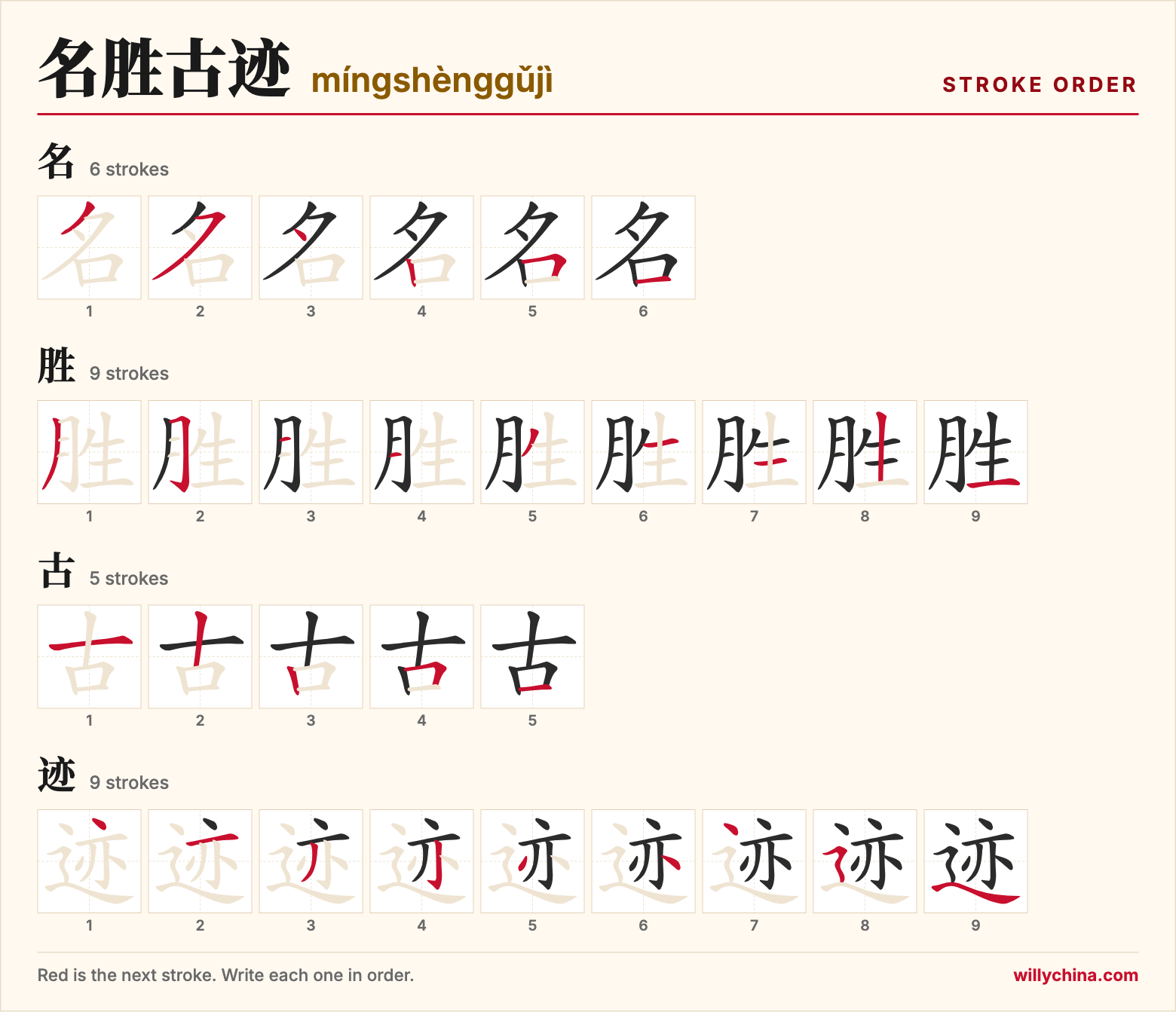
Zhè cì lǚxíng wǒmen cānguān le bùshǎo míngshènggǔjì.
On this trip we visited quite a few famous sights and historic sites.
Sentence by WillyChina
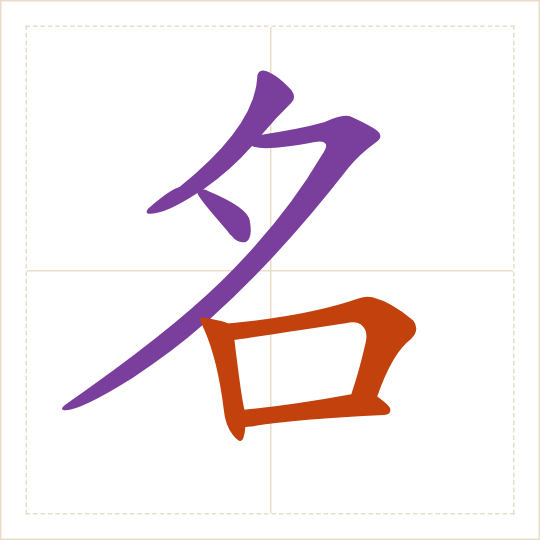
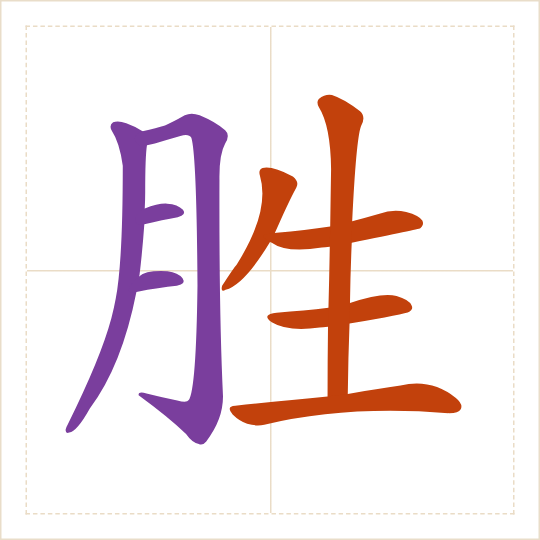
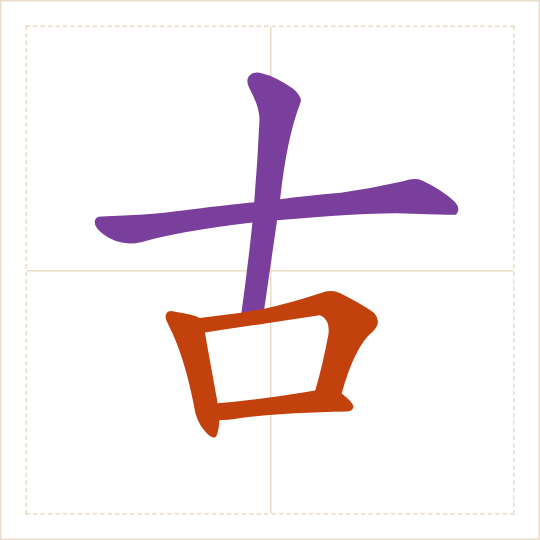
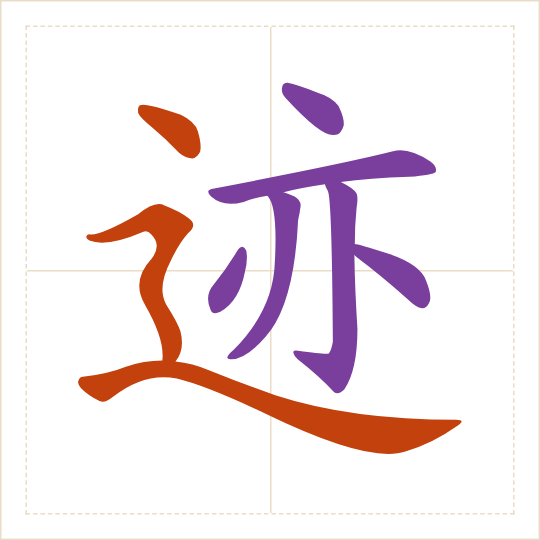
How 名胜古迹 is built
Each colour is one part of the character. Parts repeat across thousands of characters, so learning them makes new words easier. See all 214 in our radicals chart.
名míngname
夕evening · xī
口mouth · kǒu
Memory aidEvening 夕 and a mouth 口: in the dark you call out your name.
胜shèngvictory
⺼meat form of 肉 · ròuMeaning part
生life · shēngSound part
⺼ hints at the meaning (meat); 生 (shēng) hints at the sound. Compare it with shèng.
古gǔancient
十ten · shí
口mouth · kǒu
迹jìtrace; mark; vestige; clue
亦also · yìSound part
辶walking form of 辵 · chuòMeaning part
辶 hints at the meaning (walking); 亦 (yì) hints at the sound. Compare it with jì.
名胜古迹 (míngshènggǔjì) means “famous sights and historic sites” or “historical sites and scenic spots”. It is an HSK 5 word.
Say it míngshènggǔjì: míng with a 2nd tone, then shèng with a 4th tone, then gǔ with a 3rd tone, then jì with a 4th tone. Press Listen at the top of this page to hear it, or Slowly to hear each tone clearly.
In Traditional characters, used in Taiwan and Hong Kong, 名胜古迹 is written 名勝古跡. The pronunciation is the same.
Add a Chinese (Simplified) pinyin keyboard to your phone or computer, type mingshengguji with no tone marks or spaces, then choose 名胜古迹 from the suggestions. Typing mingshengguji into this dictionary’s search box finds it too.
名胜古迹 is an HSK 5 word in the HSK 2.0 word lists.
Turn words into conversations
A dictionary gives you the words. A native teacher shows you how to use them. Start with a free 30-minute intro call.
Sources: meaning and pinyin checked by a native Mandarin teacher against the official HSK lists. Extra meanings from CC-CEDICT (CC BY-SA 4.0). Example sentences written by WillyChina. Character parts and stroke order from Make Me a Hanzi.
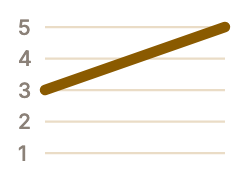 名míng2nd tone, rising
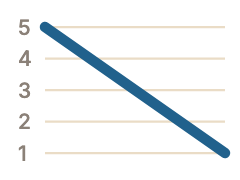 胜shèng4th tone, falling
 古gǔ3rd tone, dipping