HSK 5 · Verbs
分别 fēnbié “to part” in Chinese
Traditional 分別
What 分别 means
- to part
- to distinguish
- separately, respectively
- to leave each other
- to tell apart
More meanings from CC-CEDICT
- difference
- distinction
- in different ways
- differently
- individually
How to say 分别
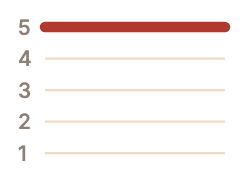 分fēn1st tone, high and level
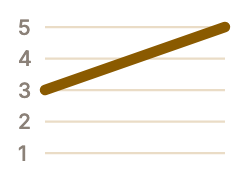 别bié2nd tone, rising
分别 in a sentence
How 分别 is built
Each colour is one part of the character. Parts repeat across thousands of characters, so learning them makes new words easier. See all 214 in our radicals chart.
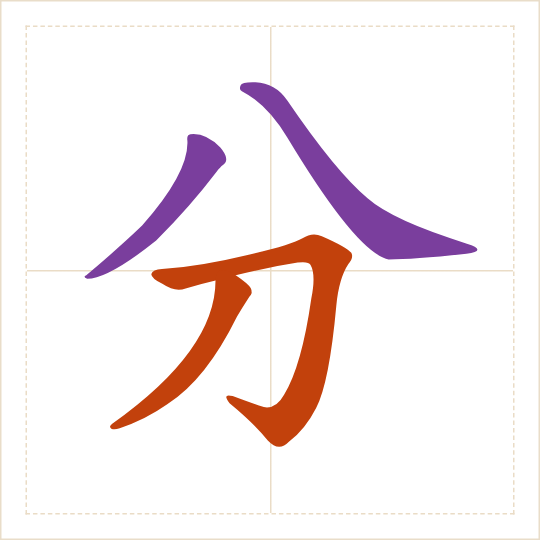
分fēnto divide; to separate
- 八eight · bā
- 刀knife · dāo
Memory aidA knife 刀 cutting something into two 八: to divide.
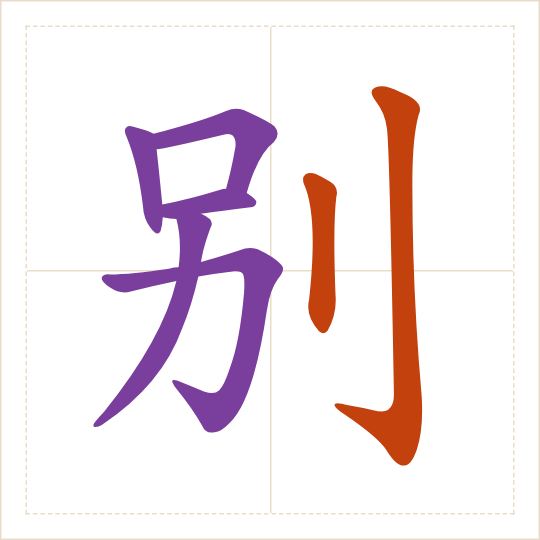
别biéto leave; to part
- 另another · lìng
- 刂knife form of 刀 · dāo
Memory aidA knife 刂 cutting things apart: to separate. As a command, 别 means “don't”.
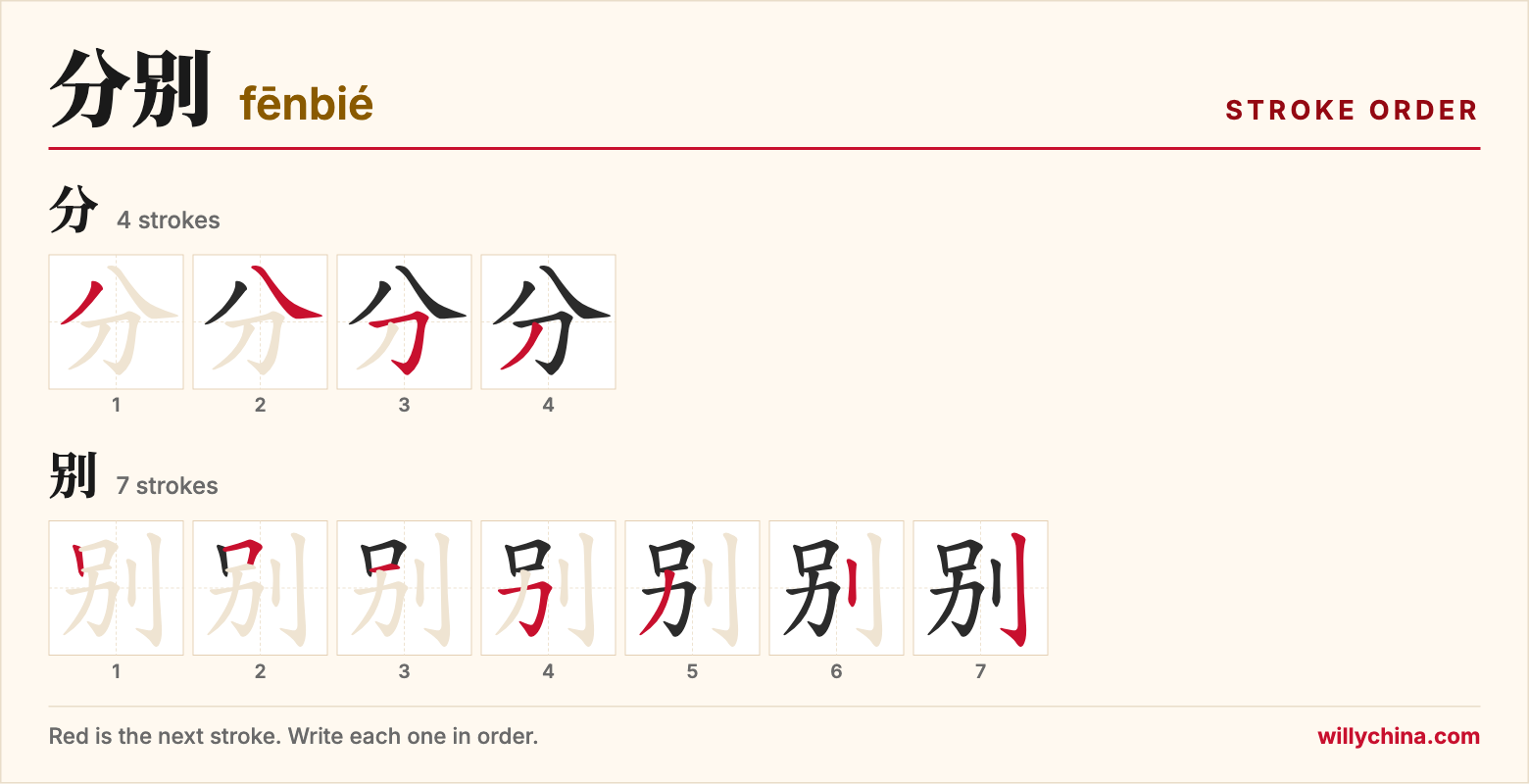
How to write 分别
分 4 strokes · 别 7 strokes
Watch the order, then press Try writing it and draw each stroke in the grid. Each stroke is checked as you go.
Words related to 分别
Words with 分
分钟fēnzhōng · minute分fēn · divide得分défēn · to score (points)分开fēnkāi · to separate部分bùfen · part十分shífēn · very百分之bǎifēnzhī · per cent分手fēnshǒu · to break up分析fēnxī · to analyse分布fēnbù · to be distributed (over an area)
Words with 别
别bié · don’t别人biéren · other people特别tèbié · special别的biéde · other区别qūbié · difference性别xìngbié · gender告别gàobié · to say goodbye个别gèbié · individual别墅biéshù · villa鉴别jiànbié · to distinguish
More words: Thinking & Talking
FAQs
分别 (fēnbié) means “to part” or “to distinguish”. It is an HSK 5 word.
Say it fēnbié: fēn with a 1st tone, then bié with a 2nd tone. Press Listen at the top of this page to hear it, or Slowly to hear each tone clearly.
In Traditional characters, used in Taiwan and Hong Kong, 分别 is written 分別. The pronunciation is the same.
Add a Chinese (Simplified) pinyin keyboard to your phone or computer, type fenbie with no tone marks or spaces, then choose 分别 from the suggestions. Typing fenbie into this dictionary’s search box finds it too.
分别 is an HSK 5 word in the HSK 2.0 word lists.
Sources: meaning and pinyin checked by a native Mandarin teacher against the official HSK lists. Extra meanings from CC-CEDICT (CC BY-SA 4.0). Example sentences from Tatoeba (CC BY 2.0 FR). Character parts and stroke order from Make Me a Hanzi.