HSK 5 · Work
打工 dǎgōng “to work a casual or part-time job” in Chinese
Same in Traditional
What 打工 means
- to work a casual or part-time job
- to work a temporary or casual job
- (of students) to have a job outside of class time, or during holiday
How to say 打工
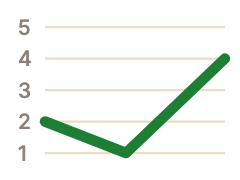 打dǎ3rd tone, dipping
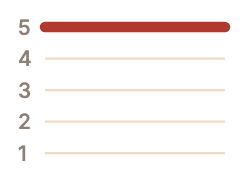 工gōng1st tone, high and level
打工 in a sentence
How 打工 is built
Each colour is one part of the character. Parts repeat across thousands of characters, so learning them makes new words easier. See all 214 in our radicals chart.
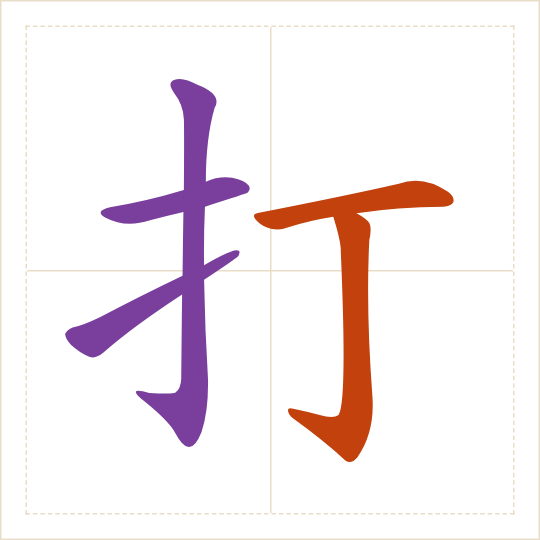
打dǎto hit; to strike
- 扌hand form of 手 · shǒuMeaning part
- 丁part of the characterSound part
Memory aidA hand 扌 striking a nail 丁: to hit. It is now used for many actions, such as 打电话 (dǎ diànhuà) “to phone”.
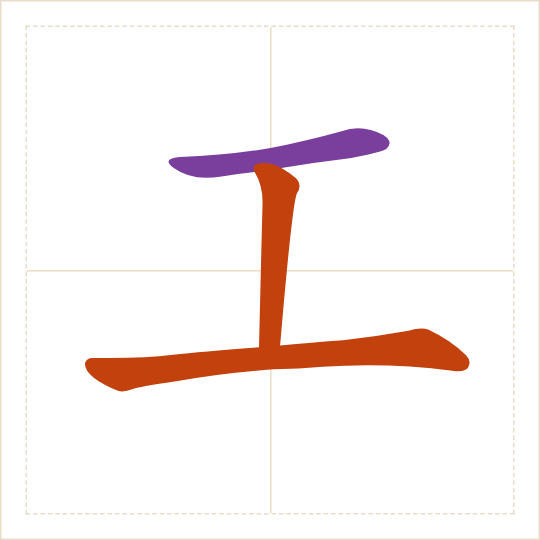
工gōngwork
- 一one · yī
- 丄above · shàng
Memory aidDrawn from a builder’s tool: work.
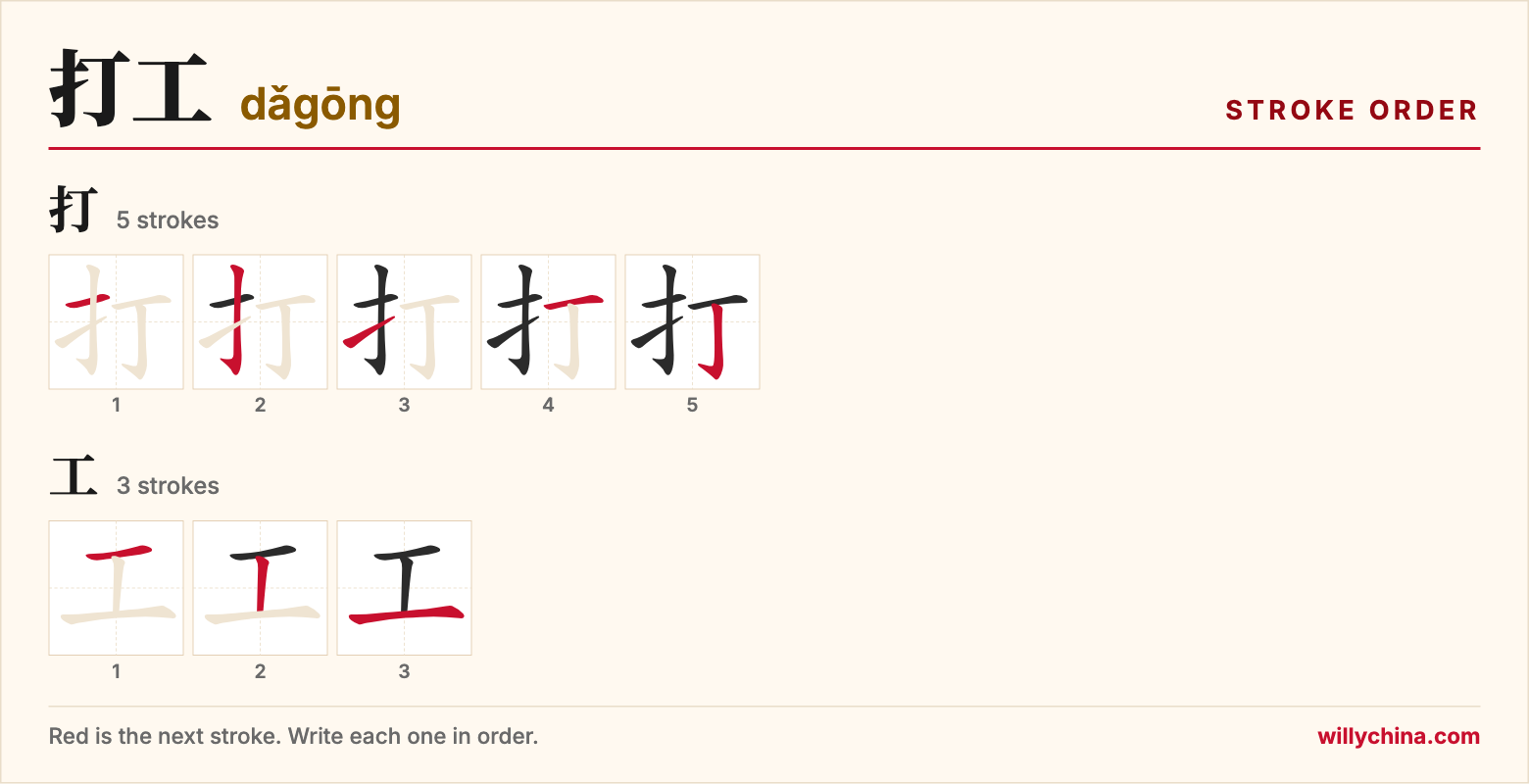
How to write 打工
打 5 strokes · 工 3 strokes
Watch the order, then press Try writing it and draw each stroke in the grid. Each stroke is checked as you go.
Words related to 打工
Words with 打
打电话dǎ diànhuà · to make a phone call打dǎ · to hit打车dǎchē · to take a taxi (in town)打开dǎkāi · to open打篮球dǎlánqiú · to play basketball打扫dǎsǎo · to clean打算dǎsuàn · to plan打扮dǎban · to decorate打扰dǎrǎo · to disturb打印dǎyìn · to print (with a printer)
Words with 工
工作gōngzuò · to work工作日gōngzuòrì · working day工资gōngzī · wages工厂gōngchǎng · factory工人gōngrén · worker工业gōngyè · industry员工yuángōng · employee工具gōngjù · tool手工shǒugōng · handmade工程师gōngchéngshī · engineer
More words: Work & Career
FAQs
打工 (dǎgōng) means “to work a casual or part-time job” or “to work a temporary or casual job”. It is an HSK 5 word.
Say it dǎgōng: dǎ with a 3rd tone, then gōng with a 1st tone. Press Listen at the top of this page to hear it, or Slowly to hear each tone clearly.
Yes. 打工 is written the same way in Simplified and Traditional characters.
Add a Chinese (Simplified) pinyin keyboard to your phone or computer, type dagong with no tone marks or spaces, then choose 打工 from the suggestions. Typing dagong into this dictionary’s search box finds it too.
打工 is an HSK 5 word in the HSK 2.0 word lists.
Sources: meaning and pinyin checked by a native Mandarin teacher against the official HSK lists. Extra meanings from CC-CEDICT (CC BY-SA 4.0). Example sentences from Tatoeba (CC BY 2.0 FR). Character parts and stroke order from Make Me a Hanzi.