HSK 3.0 Level 2 · Places
出来 chūlái “to come out” in Chinese
Traditional 出來
What 出来 means
- to come out
- to appear
- to arise
How to say 出来
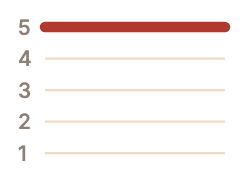 出chū1st tone, high and level
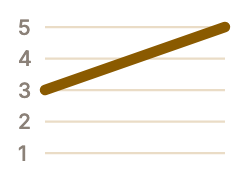 来lái2nd tone, rising
出来 in a sentence
How 出来 is built
Each colour is one part of the character. Parts repeat across thousands of characters, so learning them makes new words easier. See all 214 in our radicals chart.
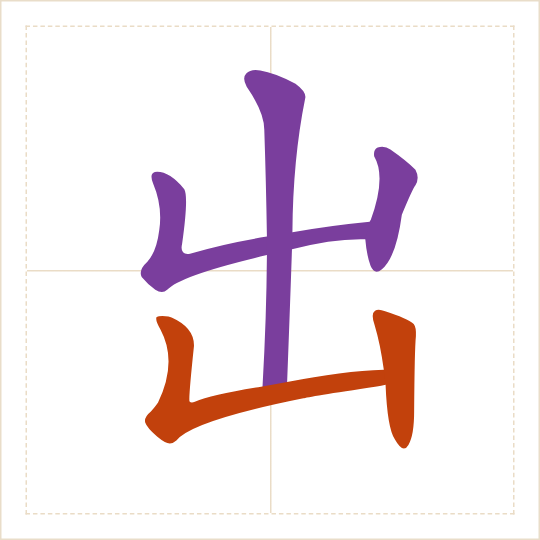
出chūto go out; to come out
- 屮sprout · chè
- 凵open box · kǎn
Memory aidA foot stepping up out of an opening 凵: to go out.
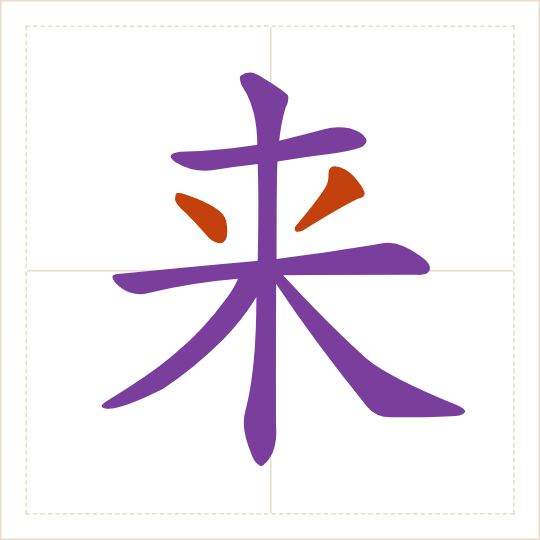
来láito come
- 未part of the character
- 丷eight form of 八 · bā
Memory aidDrawn from a stalk of wheat. It was borrowed early on for “to come”.
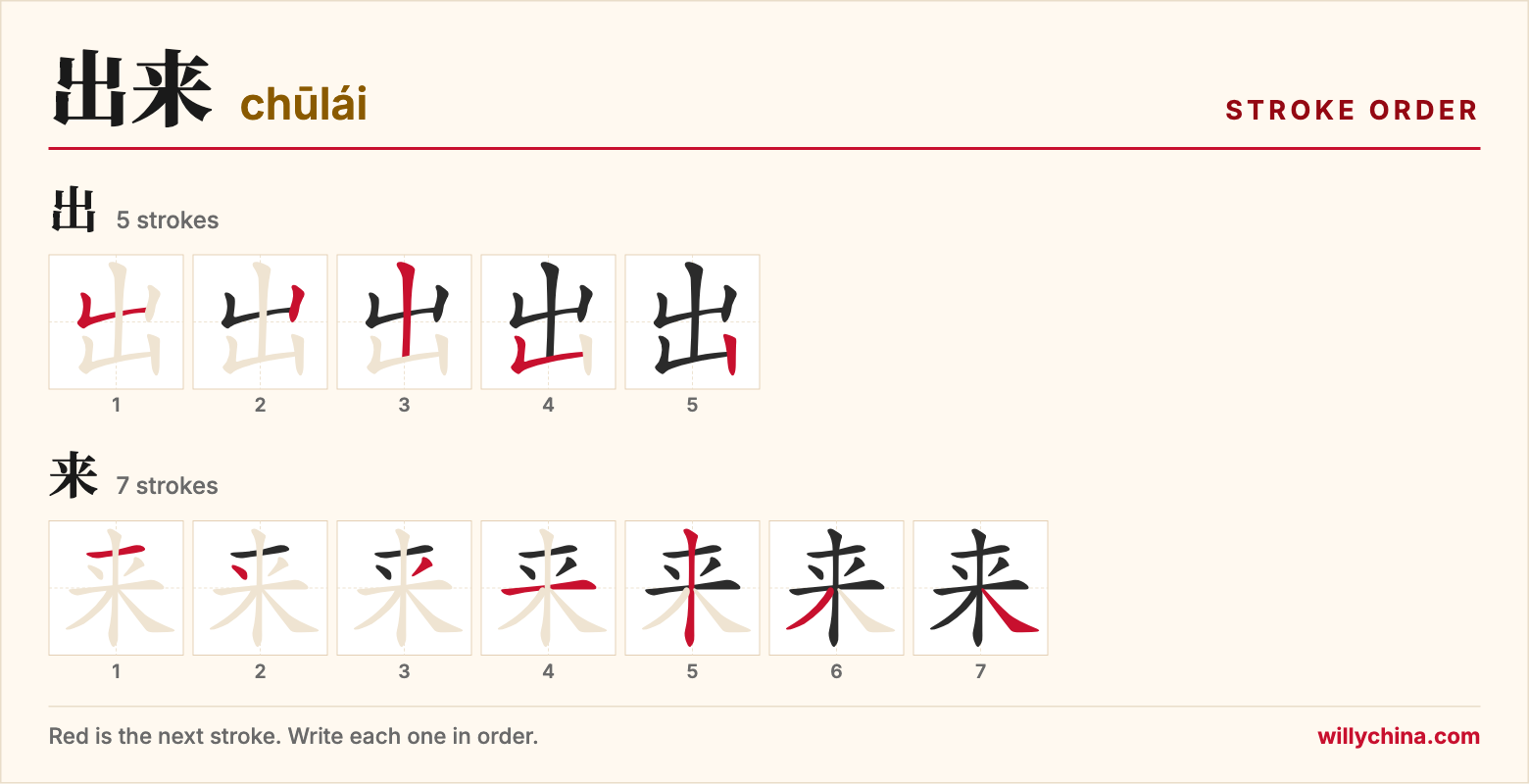
How to write 出来
出 5 strokes · 来 7 strokes
Watch the order, then press Try writing it and draw each stroke in the grid. Each stroke is checked as you go.
Words related to 出来
Words with 出
出租车chūzūchē · taxi出chū · to go out出国chūguó · to go abroad出门chūmén · to go out出去chūqù · to go out出院chūyuàn · to leave hospital出生chūshēng · to be born出现chūxiàn · to appear演出yǎnchū · to act (in a play)出差chūchāi · to go on an official or business trip
Words with 来
来lái · to come过来guòlái · to come over回来huílai · to return进来jìnlái · to come in上来shànglái · to come up下来xiàlai · to come down后来hòulái · afterwards起来qǐlai · beginning or continuing an action带来dàilái · to bring (about)看来kànlái · it seems
More words: Places & Getting Around
FAQs
出来 (chūlái) means “to come out” or “to appear”. It is an HSK 3.0 Level 2 word.
Say it chūlái: chū with a 1st tone, then lái with a 2nd tone. Press Listen at the top of this page to hear it, or Slowly to hear each tone clearly.
In Traditional characters, used in Taiwan and Hong Kong, 出来 is written 出來. The pronunciation is the same.
Add a Chinese (Simplified) pinyin keyboard to your phone or computer, type chulai with no tone marks or spaces, then choose 出来 from the suggestions. Typing chulai into this dictionary’s search box finds it too.
出来 is an HSK 3.0 Level 2 word in the official 2021 syllabus, and it is on our HSK 3.0 Band 2 word list. It is not on the older HSK 2.0 word lists.
Sources: meaning and pinyin checked by a native Mandarin teacher against the official HSK lists. Extra meanings from CC-CEDICT (CC BY-SA 4.0). Example sentences from Tatoeba (CC BY 2.0 FR). Character parts and stroke order from Make Me a Hanzi.