HSK 6 · Body
脉搏 màibó “pulse” in Chinese
Traditional 脈搏
What 脉搏 means
- pulse
- pulse (both medical and figurative)
How to say 脉搏
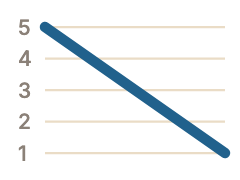 脉mài4th tone, falling
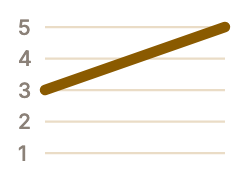 搏bó2nd tone, rising
脉搏 in a sentence
How 脉搏 is built
Each colour is one part of the character. Parts repeat across thousands of characters, so learning them makes new words easier. See all 214 in our radicals chart.
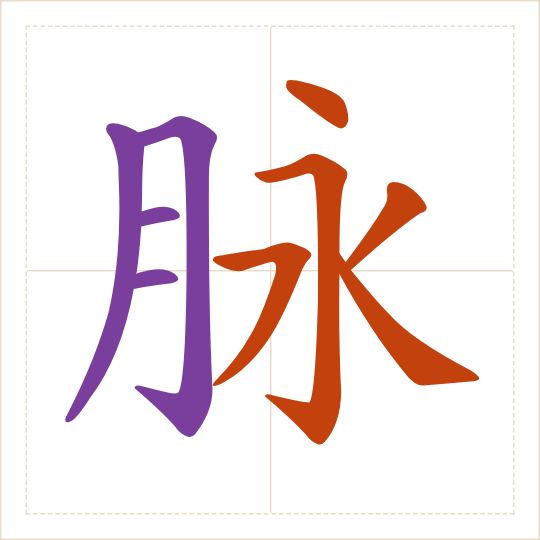
脉màiarteries and veins
- ⺼meat form of 肉 · ròu
- 永long · yǒng
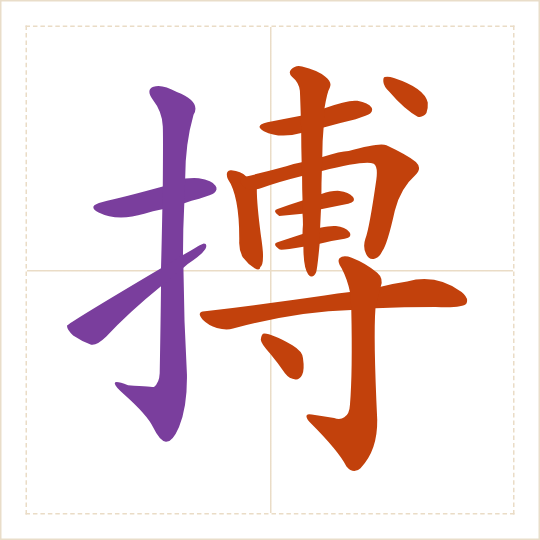
搏bóto fight
- 扌hand form of 手 · shǒuMeaning part
- 尃to announce · fūSound part
扌 hints at the meaning (hand); 尃 (fū) hints at the sound. Compare it with bó.
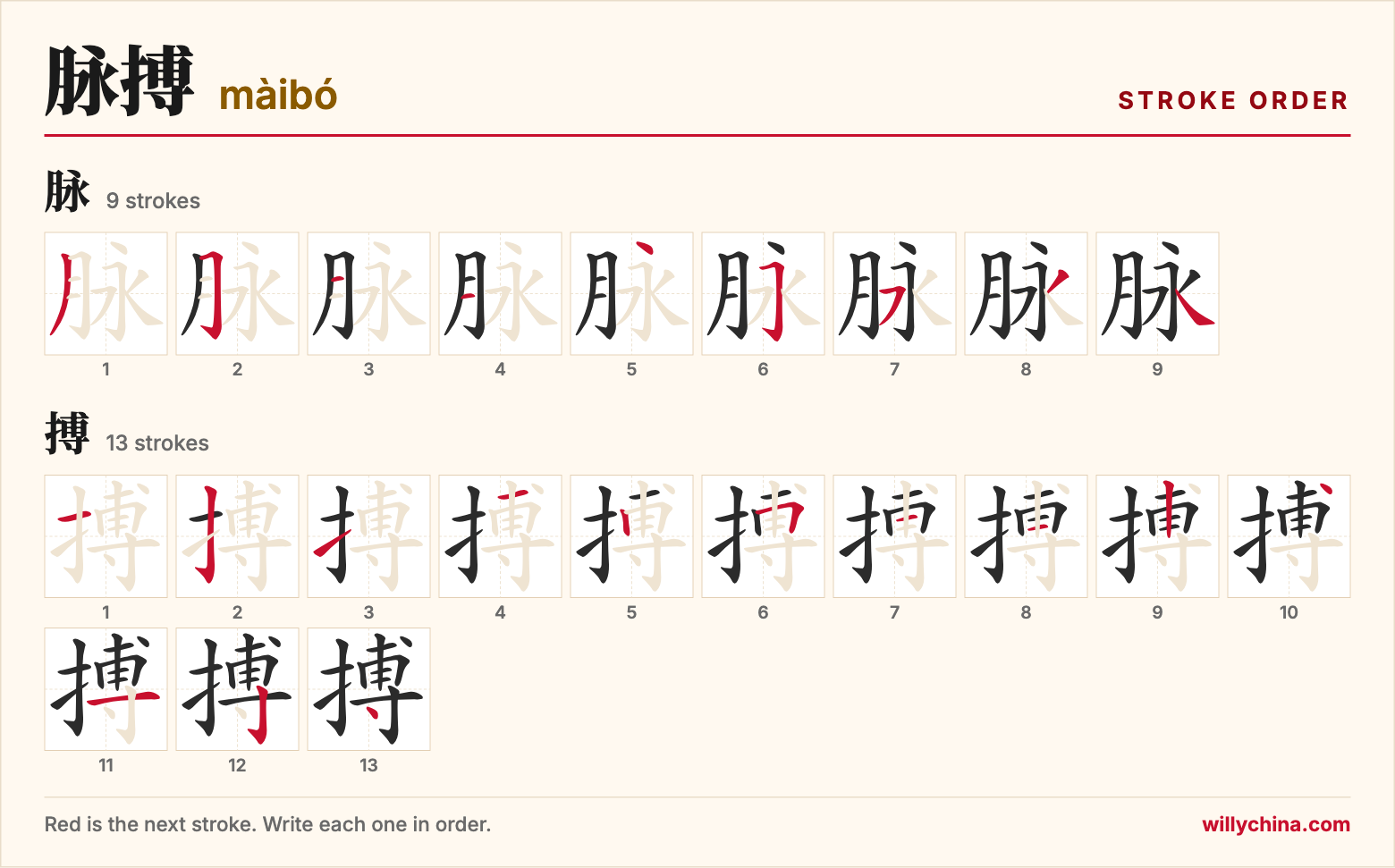
How to write 脉搏
脉 9 strokes · 搏 13 strokes
Watch the order, then press Try writing it and draw each stroke in the grid. Each stroke is checked as you go.
Words related to 脉搏
Words with 脉
Words with 搏
More words: People, Body & Health
FAQs
脉搏 (màibó) means “pulse” or “pulse (both medical and figurative)”. It is an HSK 6 word.
Say it màibó: mài with a 4th tone, then bó with a 2nd tone. Press Listen at the top of this page to hear it, or Slowly to hear each tone clearly.
In Traditional characters, used in Taiwan and Hong Kong, 脉搏 is written 脈搏. The pronunciation is the same.
Add a Chinese (Simplified) pinyin keyboard to your phone or computer, type maibo with no tone marks or spaces, then choose 脉搏 from the suggestions. Typing maibo into this dictionary’s search box finds it too.
脉搏 is an HSK 6 word in the HSK 2.0 word lists.
Sources: meaning and pinyin checked by a native Mandarin teacher against the official HSK lists. Extra meanings from CC-CEDICT (CC BY-SA 4.0). Example sentences from Tatoeba (CC BY 2.0 FR). Character parts and stroke order from Make Me a Hanzi.