Mapo Tofu — silky tofu in a fiery Sichuan bean-sauce, ready in half an hour
“Soft as custard, hot as summer, numbing as a spark.”
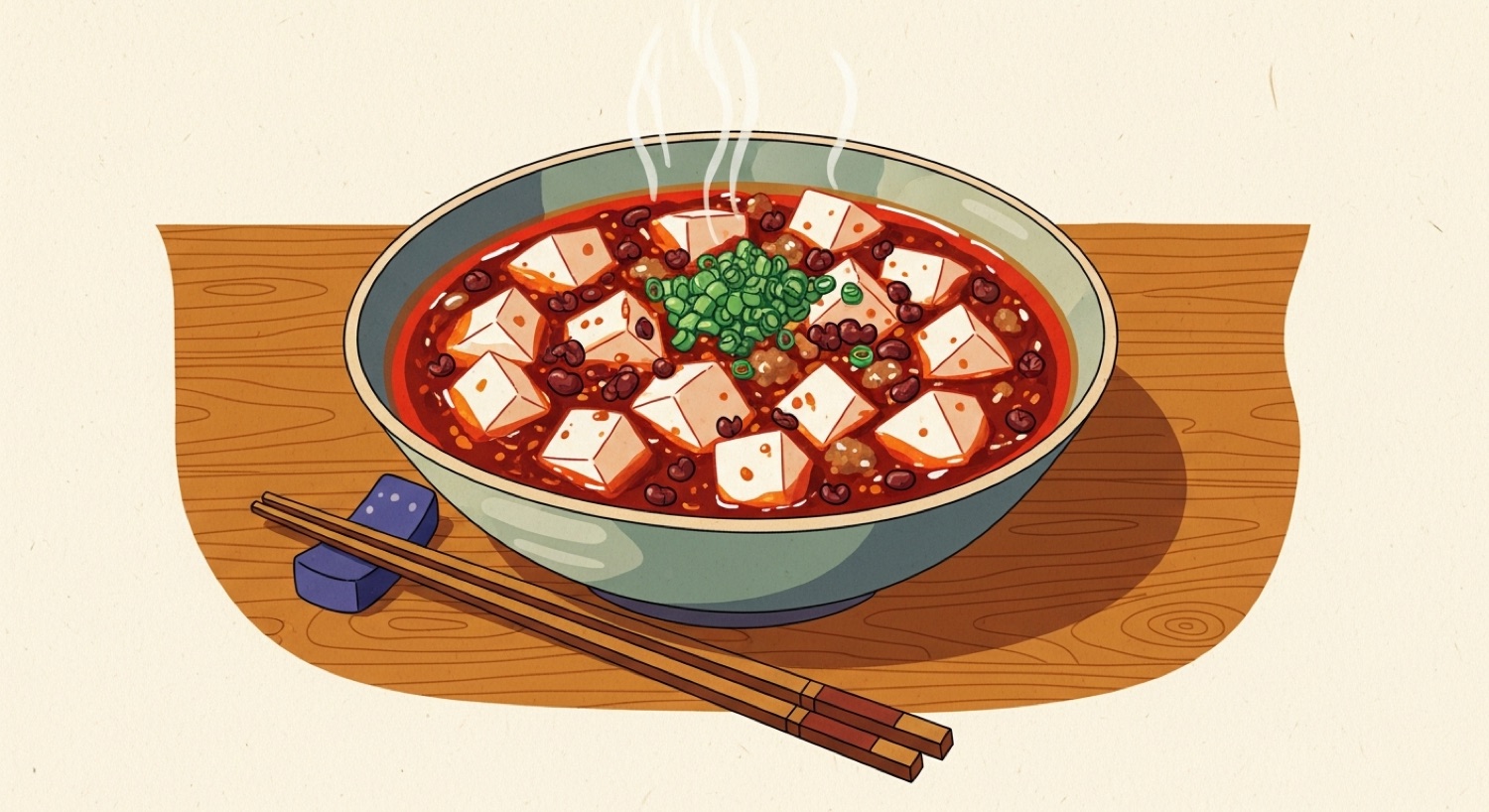
The most famous dish in Sichuan
If Sichuan cooking has one ambassador, it’s mapo tofu (麻婆豆腐) — cubes of silken tofu simmered in a glossy, brick-red sauce built on doubanjiang, the fermented broad-bean-and-chilli paste that is the soul of the province’s food. It’s the dish that teaches you what 麻辣 (málà) really means: the deep heat of chilli, and the tingling, lip-buzzing numbness of Sichuan pepper on top.
Its name means “pockmarked old lady’s tofu” — after Mrs Chen, the Chengdu cook who is said to have created it in the 1860s. It’s cheap, fast, and every bit as good as a restaurant version when you make it at home. And because this is WillyChina, you’ll learn to say it too: the dish, the ingredients and the words for the table.
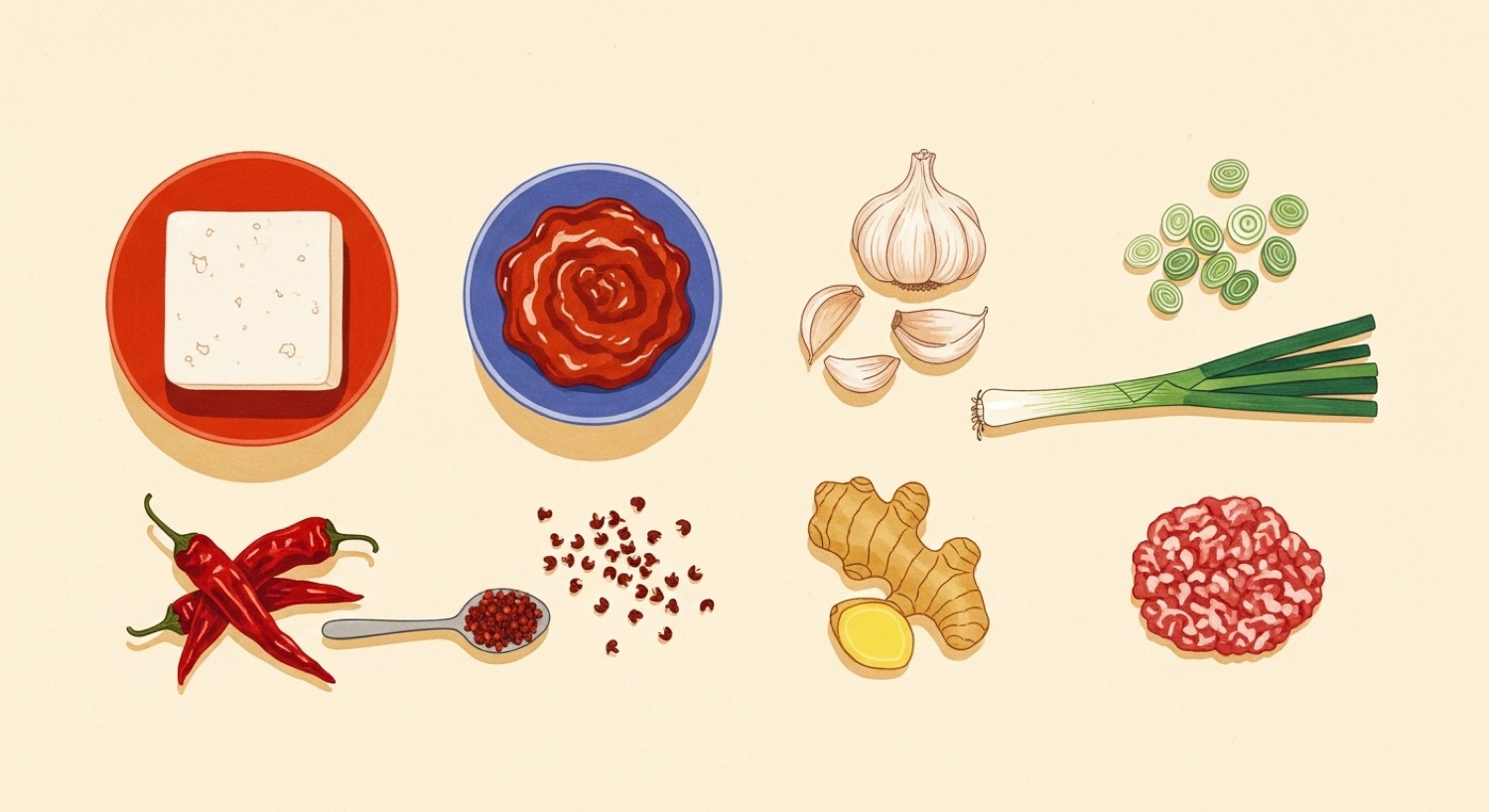
Sichuan Mapo Tofu
The essentials
- 400 g silken or soft tofu, in 2 cm cubes — 豆腐
- 120 g minced beef (or pork) — 牛肉
- 2 tbsp Pixian doubanjiang (chilli-bean paste) — 豆瓣酱
- 1 tsp Sichuan peppercorns, toasted & ground — 花椒
- 1 tbsp chilli powder or chilli oil (to taste)
- 3 cloves garlic, minced — 蒜
- 1 tbsp minced ginger — 姜
- 2 spring onions, sliced — 葱
The sauce
- 240 ml chicken or vegetable stock (or water)
- 1 tbsp light soy sauce — 酱油
- 1 tsp sugar
- 1.5 tbsp cornflour (cornstarch) + 3 tbsp water
- 2 tbsp neutral oil, for frying
Method
- Blanch the tofu. Slide the tofu cubes into a pan of gently simmering, lightly salted water and leave 2 minutes, then turn off the heat and let them sit. This firms them so they won’t crumble, and warms them through. (Don’t skip it — it’s the trick to tofu that holds its shape.)
- Brown the meat. Heat the oil in a wok or deep pan over medium-high. Fry the minced beef, breaking it up, until it’s dry and just starting to crisp — 3–4 minutes. Push it to one side.
- Fry the paste until the oil runs red. Turn the heat to medium and add the 豆瓣酱 (doubanjiang). Fry it gently for about a minute, until the oil turns a deep red and smells fragrant — this is the single step that makes or breaks the dish. Add the garlic, ginger and chilli powder and fry 30 seconds more.
- Build the sauce. Pour in the stock, soy sauce and sugar and bring to a gentle simmer.
- Add the tofu. Drain the tofu and slide it in. Rather than stirring, push it gently with the back of a spoon so the cubes stay whole. Simmer 3–4 minutes to soak up the flavour.
- Thicken. Stir the cornflour and water together, then add it to the bubbling sauce in two or three stages, stirring gently, until the sauce turns glossy and just coats the tofu. (Adding it in stages is how you get that signature clingy shine.)
- Finish with the numbing hit. Turn off the heat. Scatter over the sliced spring onion and the ground toasted 花椒 (Sichuan pepper) — always at the end, so its tingling aroma survives. Serve at once, with plenty of steamed rice.
Per serving (approx., 4 servings): 250 kcal · 14 g protein · 18 g fat · 8 g carbs (before rice). A rough estimate for guidance only.
Two ingredients do all the work
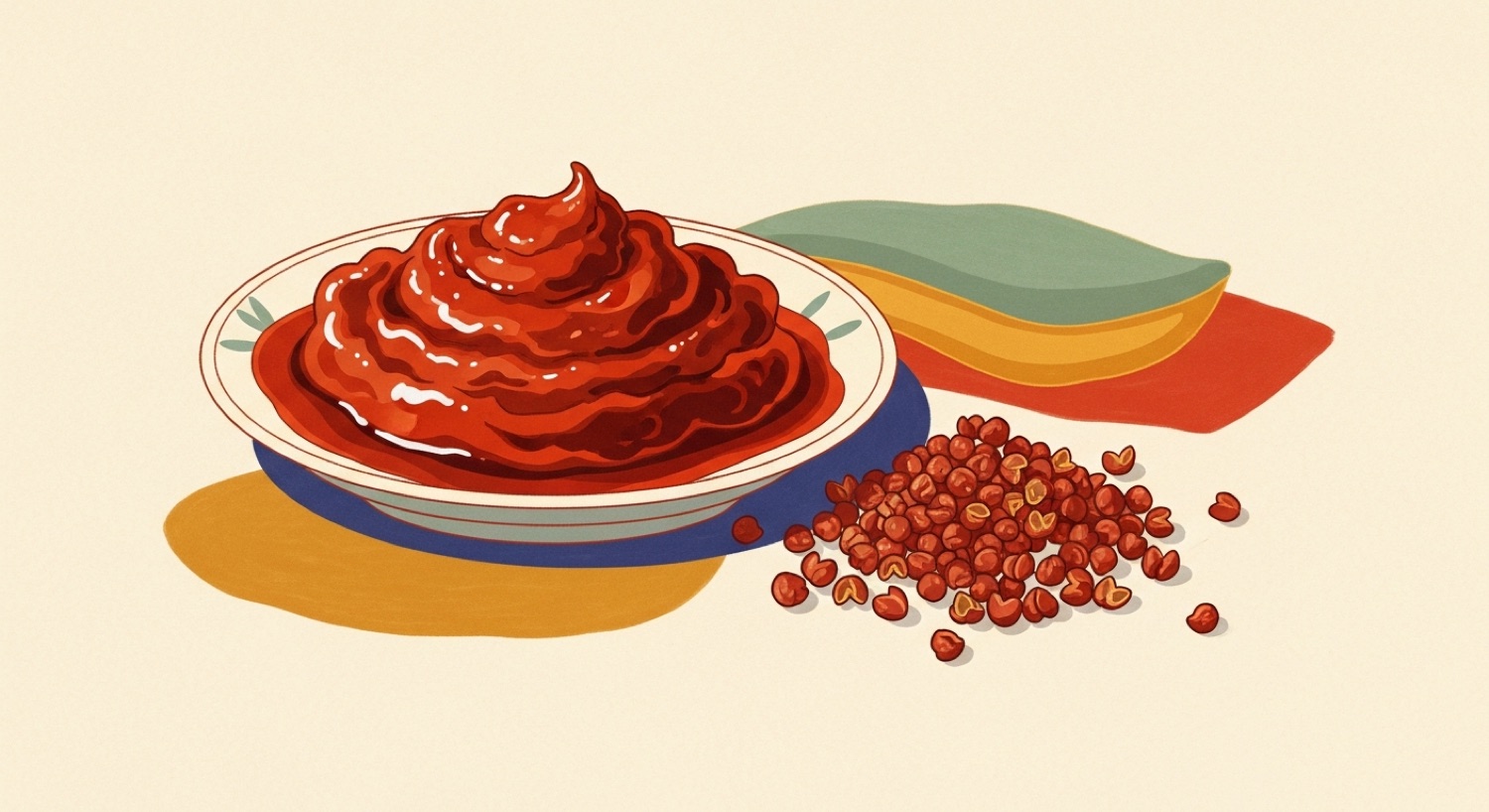
Mapo tofu tastes like a restaurant made it when you get two things right. The first is doubanjiang (豆瓣酱) — specifically the Pixian kind from a Chinese grocer, aged and brick-red. Frying it slowly until its oil separates and glows red is what gives the dish its colour, depth and savoury heat; rush it and the sauce stays flat.
The second is Sichuan pepper (花椒, huājiāo). It isn’t chilli — it’s the source of the 麻 (má), the strange, fizzy numbness that defines Sichuan food. Toast it in a dry pan for a minute, grind it fresh, and add it last. That tingle, playing against the chilli heat, is the whole point of 麻辣.
Say it in Chinese
The dish, its key flavours and the words for the table — tap to hear each.
Tips & variations
- Make it vegetarian. Skip the meat, or use finely chopped shiitake mushrooms for the same savoury bite — the sauce carries the dish. Use vegetable stock and check your doubanjiang is meat-free.
- Dial the heat. Doubanjiang and Sichuan pepper are where the flavour lives; adjust the plain chilli powder up or down for more or less raw heat without losing the character.
- Silken vs firm. Silken tofu (嫩豆腐) gives the classic custardy texture; soft or medium tofu is more forgiving if you’re nervous about it breaking.
- No cornflour? The starch is what makes the sauce cling to the tofu — potato starch works too. Add it in stages and stop when it just coats a spoon.
FAQs
Learn to order it — and cook it — in Mandarin
Food is the tastiest way into a language. Practise real Mandarin, dishes and all, in 1-on-1 online lessons with a native speaker.
Book a Free Intro Call